
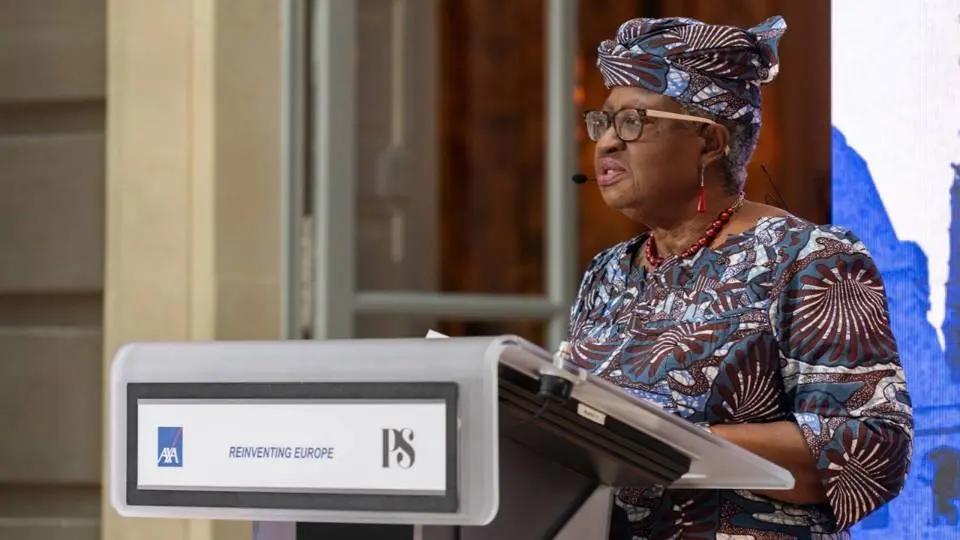
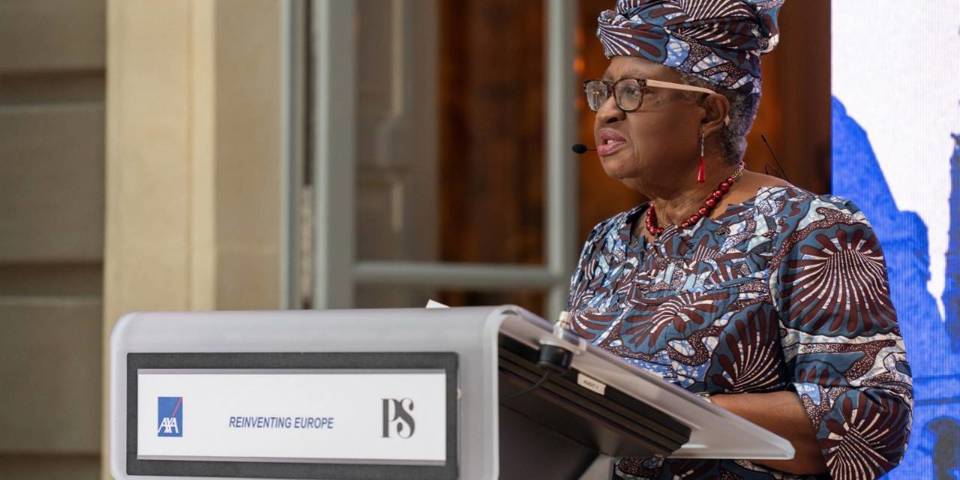
In a closing keynote address that challenged the prevailing narrative of European decline, World Trade Organization (WTO) Director-General Ngozi Okonjo-Iweala urged policymakers to reconsider the merits of the existing global order. Speaking at the "Reinventing Europe" event, Okonjo-Iweala argued that the continent’s path forward should not be dictated by panic or reactionary policy shifts, but rather by a calculated appreciation of its inherent strengths and a strategic pivot toward untapped opportunities.
For years, the discourse surrounding the European economy has been dominated by a sense of urgency. Observers frequently point to the absence of homegrown technology titans—comparable to those found in the United States or China—as evidence of a systemic failure. However, Okonjo-Iweala suggested that this narrow focus on a specific type of digital dominance blinds observers to the foundational stability and global influence that Europe continues to wield.
The WTO Director-General noted that the global trading system, often criticized for its fragility, has demonstrated a remarkable capacity for resilience in the face of recent geopolitical and economic shocks. This resilience, she argued, is mirrored in the European economy. While the continent may not lead in every category of digital platform growth, it remains a formidable global trade powerhouse and a preeminent leader in scientific research, innovation, and high-value manufacturing.
The core of Okonjo-Iweala’s message was a warning against the dangers of "crisis management" as a primary governance strategy. When leaders act from a sense of existential panic, they risk dismantling the very frameworks that provide stability, potentially replacing functional systems with protectionist or isolationist policies that could hinder long-term growth. Instead, she advocated for a model of "measured reform"—a process of incremental, thoughtful adjustment that addresses genuine weaknesses without discarding the institutions and trade relationships that have underpinned European prosperity for decades.
Assessing the Competitive Landscape
To understand Okonjo-Iweala’s perspective, one must look at the specific pressures currently facing the European Union. Europe’s external competitiveness has been a subject of intense debate among economists and trade ministers. The continent faces significant headwinds, including aging demographics, a transition toward a greener economy that requires massive capital investment, and the challenge of navigating an increasingly fragmented geopolitical landscape.
Critics of the current European model argue that the continent is falling behind because of rigid regulatory frameworks and an inability to scale businesses at the pace seen in other jurisdictions. However, the WTO Director-General’s stance suggests a more nuanced reality. Europe’s strength, she implied, lies in its stability, its regulatory rigor, and its role as a bedrock of global trade norms. Rather than attempting to copy the aggressive, high-risk growth models of Silicon Valley or the state-led capital expansion seen in China, Europe should leverage its comparative advantages: its highly skilled workforce, its deep-rooted research capabilities, and its sophisticated industrial base.
This is not to say that the status quo is sufficient. Okonjo-Iweala acknowledged that there is "much to do to improve" external competitiveness. The challenge for European leaders is to identify where the friction exists—such as in energy costs, bureaucratic inertia, or capital market fragmentation—and to implement reforms that lower barriers to entry and innovation without sacrificing the social and environmental standards that define the European project.
The African Opportunity
Perhaps the most forward-looking aspect of Okonjo-Iweala’s address was her call for Europe to deepen its economic integration with Africa. This is not merely a matter of development aid, but a strategic imperative for both continents. Africa represents one of the fastest-growing markets in the world, with a burgeoning youth population and an increasing demand for the types of infrastructure, technology, and services in which European firms excel.
As Europe looks to diversify its supply chains and reduce its dependence on volatile or politically fraught markets, the African continent offers a natural partner. By fostering closer trade and investment ties, Europe could secure new avenues for growth while supporting the industrialization and economic stability of its neighbor. This, according to Okonjo-Iweala, is a clear example of the "new opportunities" that Europe must seize to reinvent itself effectively.
This pivot toward Africa would require a shift in perspective, moving away from a traditional donor-recipient dynamic toward one of genuine commercial partnership. It would involve harmonizing trade regulations, investing in cross-continental infrastructure, and facilitating the movement of capital and expertise. Such an endeavor would not only bolster the European economy but would also integrate Africa more deeply into the global trading system, fostering a more balanced and sustainable global economic order.
The Dangers of Panic
The central theme of the address—the distinction between necessary reform and reactive panic—resonates deeply in the current political climate. Across Europe, the rise of populist movements and the pressure to adopt protectionist trade policies have created an environment where the impulse to "do something" often overrides the need to "do the right thing."
Okonjo-Iweala’s caution serves as a reminder that structural reforms are most effective when they are deliberate. Sudden, broad-stroke interventions—such as punitive tariffs or the abrupt abandonment of climate-related industrial policies—often lead to unintended consequences that harm consumers and businesses alike. A measured approach, by contrast, allows for the refinement of policy based on empirical evidence and long-term objectives.
By emphasizing that we often "overlook what works," the WTO head provided a necessary correction to the narrative of decline. When the focus is exclusively on perceived failures, it becomes impossible to build upon the successes. Europe’s resilience, which has been tested by the pandemic, energy crises, and regional conflict, is a testament to the strength of its institutions. Recognizing this resilience is not an excuse for complacency, but rather the foundation upon which future progress must be built.
A Path Toward Measured Reform
The path toward a reinvented Europe, as outlined by Okonjo-Iweala, is one that prioritizes strategic coherence over political theater. It involves recognizing that the global trading system is a tool that, when properly managed, can facilitate growth for both mature and developing economies. For Europe, this means doubling down on its commitment to multilateralism, trade openness, and scientific advancement.
The call to action is clear: leaders must move beyond the rhetoric of crisis. They must identify the structural impediments to growth, engage in honest assessment of what is working, and pursue reforms that align with the continent’s long-term strategic interests. This includes fostering deeper partnerships with emerging markets, particularly in Africa, and maintaining a commitment to the research and development that keeps European industry at the cutting edge.
Ultimately, the reinvention of Europe is not a project that can be achieved through short-term fixes. It is a long-term endeavor that requires a clear-eyed understanding of the global economic landscape. By resisting the urge to panic and embracing a strategy of measured, deliberate reform, Europe can continue to play a central role in shaping the future of global trade and prosperity. The tools for success are already in place; the challenge lies in utilizing them with the foresight and confidence that the current moment demands. As the international community watches, the decisions made in the coming years will determine whether Europe remains a leader in the global economy or retreats into a defensive posture that limits its potential. The path forward, according to the WTO, lies in the middle ground between complacency and chaos—a space of strategic, thoughtful, and enduring reform.






No comments yet. Be the first to join the conversation!