
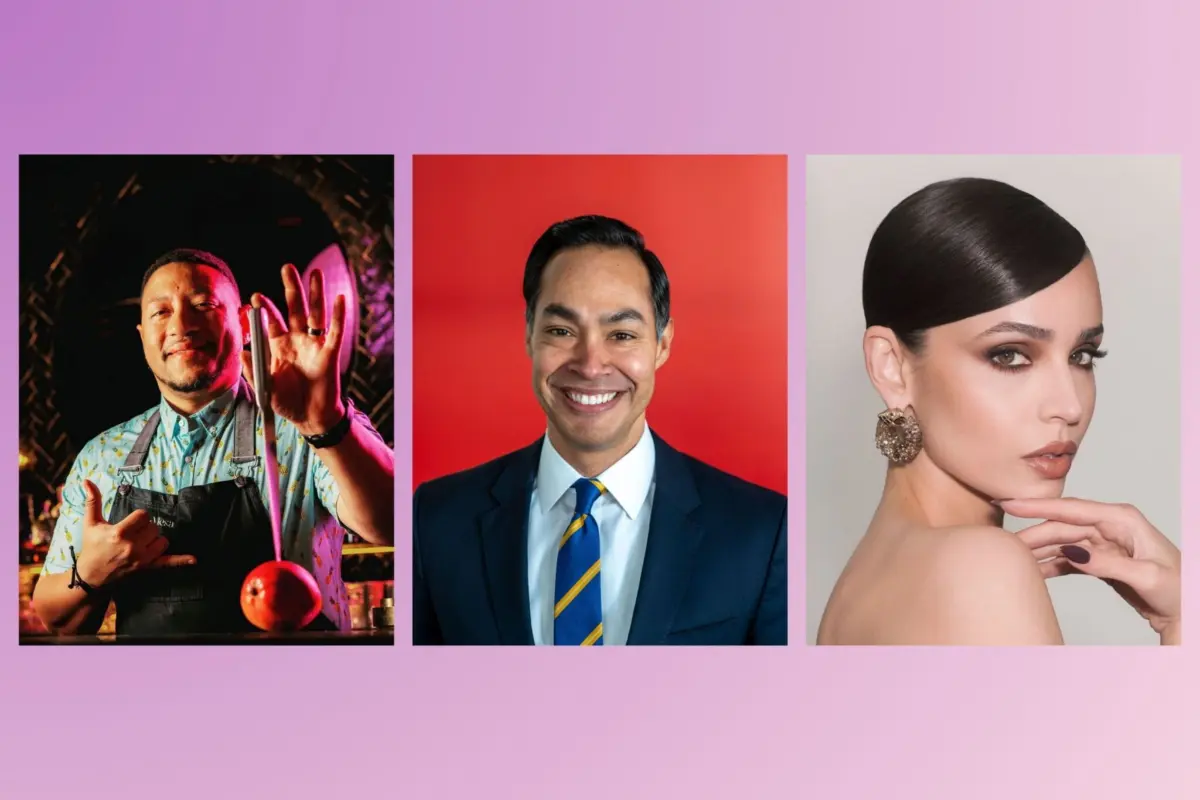
Against the vibrant backdrop of Miami, three prominent figures representing distinct industries took the stage on Tuesday night to deliver deeply personal toasts at TIME’s Latino Leaders dinner. Honoring the event’s central theme of cultural pride, Nelson German, Julián Castro, and Sofia Carson offered reflections that bridged past sacrifices with future aspirations, paying heartfelt tribute to the cultures and the parental figures who shaped their personal and professional trajectories.
The gathering, presented by PepsiCo, brought together influential voices within the Latino community to celebrate leadership, achievement, and shared heritage. Throughout the evening, the speakers underscored how their personal histories—marked by the immigrant experience, familial perseverance, and cultural reclamation—continue to fuel their ongoing contributions to American society.
Nelson German on the Evolution of Cultural Identity and the Power of Food
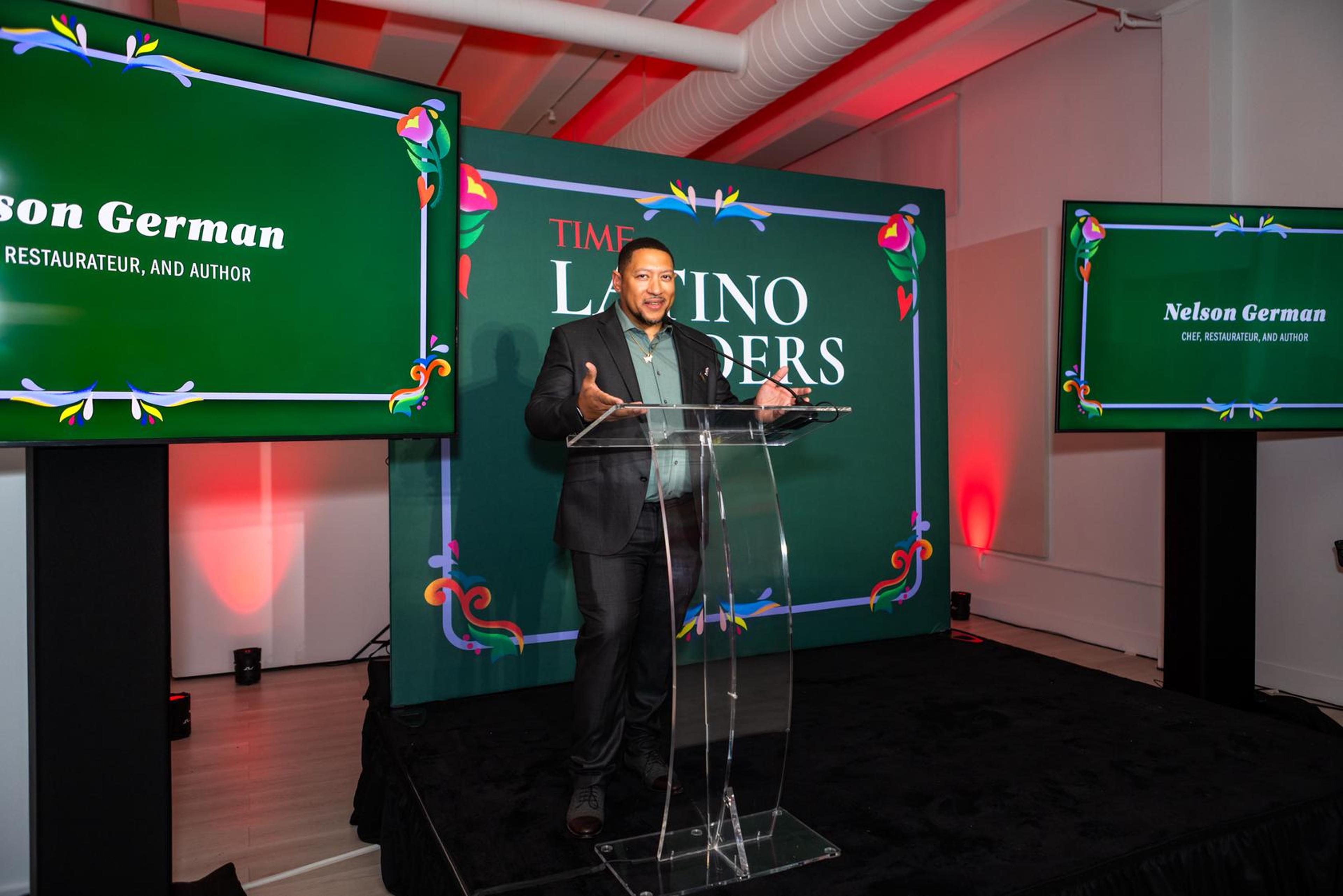
For chef, restaurateur, and author Nelson German, the journey to becoming an acclaimed executive chef in Oakland and San Francisco is inextricably linked to his Dominican roots. Raised in Manhattan’s bustling Washington Heights neighborhood within a Dominican immigrant household, German recalled navigating the complex emotional terrain of childhood assimilation. Like many children of immigrants growing up in urban American enclaves during decades past, he initially found himself shying away from his native language and cultural markers in a desperate bid to blend in.
“We wanted to fit in so badly to reach that American dream,” German reflected during his toast. Yet, pointing to the shifting cultural landscape of modern America, he noted a profound transformation in how identity is expressed today. “But now things have changed… We now are embracing those parts of ourselves more fully. We are embracing our cultures, our heritage, our motherlands.”
German emphasized that true appreciation of one’s culture requires a dual perspective—looking forward toward future possibilities while remaining deeply anchored in the past. He urged the audience to remember the immense sacrifices made by previous generations, noting the grueling labor of parents and grandparents who routinely worked two or three jobs to secure a better future for their descendants. Those sacrifices, he noted, are the foundation that allowed leaders to occupy spaces like the TIME event.

“It’s not just about the future; we have to honor the past,” German said. “The parents and grandparents who work two, three jobs… They gave us a chance to really stand in these kinds of rooms together, so never forget about that.”
As a culinary artist, German views food not merely as sustenance, but as a vital vessel for preserving and transmitting cultural memory. He highlighted the responsibility of passing down authentic recipes and stories to the younger generation, ensuring that the bridge between past traditions and future opportunities remains unbroken. “The recipes, the stories, they have to stay alive,” he asserted. “We have to share them with our kids, with our youth… Let’s keep creating opportunities for the next generation while giving them the connection to the generation before them.”
Julián Castro on the Quest for Representation and the Intertwined Destiny of America
Julián Castro, CEO of the Latino Community Foundation—the largest Latino-serving organization in the United States—brought a perspective shaped by public service and a lifelong search for cultural visibility. Reflecting on his upbringing in San Antonio, Texas, Castro shared memories of actively seeking out reflections of his own community in a media landscape that frequently lacked diverse representation. As a child, he would painstakingly read through the credits of films, scanning for familiar surnames like “Garcia,” “Hernandez,” and “Rodriguez,” or search library shelves for books written by Latino authors.
Transitioning from those early searches to his current leadership role, Castro used his toast to pay homage to the resilient matriarchs of his family. He spoke movingly of his grandmother Victoria, who arrived in the United States in 1922 from northern Mexico after the tragic passing of her parents, eventually raising Castro’s mother as a single parent. He similarly honored his mother, who likewise raised Castro and his twin brother Joaquin alone.
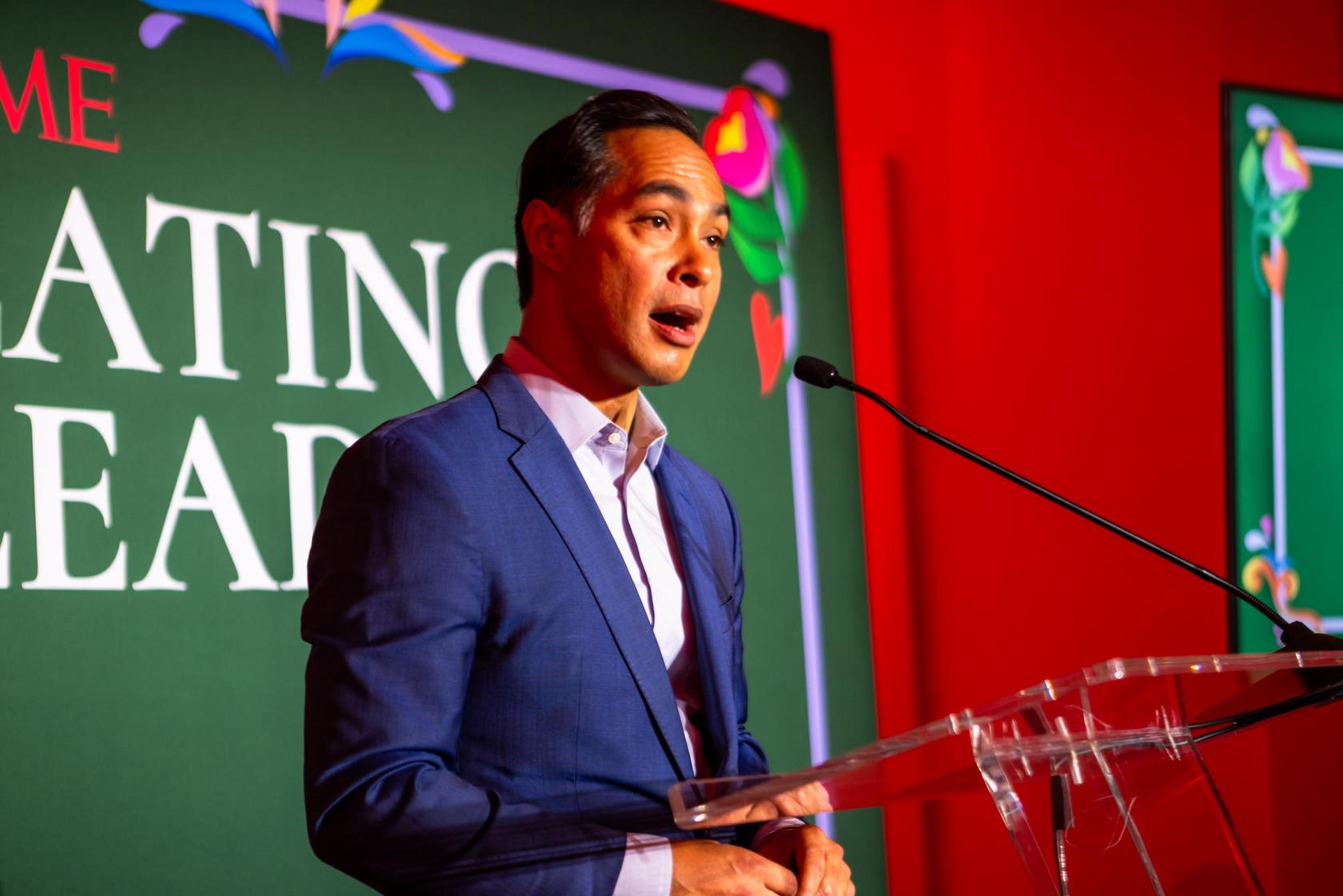
“I am sure that if we went around the room tonight, that that is a very common story here, and that each of you, like me, feels very fortunate and very blessed to have been able to achieve their dreams,” Castro told the attentive audience. Highfitting the core ethos of the community, he added, “Our families… have always been strivers and hard workers and people of love, of faith, and of family, and we’ve always driven progress in the United States of America, and that’s true today.”
Addressing the broader sociopolitical climate, Castro confronted what he characterized as a persistent wave of “cruelty” directed toward immigrant and Latino families across the nation. Despite these adversities, he firmly maintained that the Latino community remains an indispensable pillar of the American fabric.
“The destiny of the United States and the destiny of Latinos is more intertwined than it ever has been before,” Castro stated. “Only if Latinos succeed can America succeed in the years to come, and vice versa.”
Sofia Carson on Resilience, Literature, and the DNA of Hope
Actor, singer, and advocate Sofia Carson delivered a powerful speech centered on the transformative and enduring nature of hope, anchored by a recurring refrain that echoed through the room: “To be a Latin woman is to be hope.”
Drawing inspiration from the literary traditions of her heritage, Carson quoted the celebrated Latin-American author and Nobel Prize-winner in literature, Gabriel García Márquez, to emphasize that hope must endure even in the darkest circumstances—particularly when confronting systemic oppression, hardship, and institutional abandonment.
Carson credited her mother as her lifelong source of inspiration and education. Through her mother, Carson was introduced to the profound poetry of Mexican artist Frida Kahlo, the compelling novels of Chilean-American writer Isabel Allende, and the stirring musical artistry of Cuban-American singer Celia Cruz. These cultural touchstones, she noted, helped form the bedrock of her identity and artistic worldview.
Directing her words outward to honor the mothers, grandmothers, sisters, and daughters present in the room, Carson reiterated the vital message of endurance and strength inherent in Latin identity. “To be a Latin woman is to be hope,” she repeated, her voice carrying across the gathering. “Hope lives in the DNA of who we are. It flows from our bloodstream into everything we touch. It is the beating of our hearts. It is the language of our soul.”
Through their individual toasts, German, Castro, and Carson wove a collective narrative of perseverance, cultural pride, and profound gratitude. By looking back at the struggles of their ancestors and forward toward an interconnected future, the speakers captured the essence of what it means to lead within and for the Latino community.









No comments yet. Be the first to join the conversation!