

For thousands of Americans over the age of 65, a single mistyped digit in a federal database can trigger a Kafkaesque nightmare that abruptly cuts off healthcare, freezes bank accounts, and invalidates prescription coverage at the pharmacy counter. Each year, living citizens are mistakenly flagged as deceased by the Social Security Administration, setting off an automated cascade of financial and medical disruptions that can take months of persistent effort to untangle.
While these catastrophic administrative errors are statistically rare, the fallout when an individual’s Social Security number is accidentally entered into the federal Death Master File can be entirely devastating. Fixing the mistake requires immediate, proactive intervention—starting with an in-person visit to a local Social Security office to prove that you are, in fact, still alive.
The likelihood of any single individual being mistakenly declared dead by the federal government is admittedly small. The Social Security Administration maintains a high accuracy rate, with erroneous reports and internal recording errors together accounting for a tiny fraction of the millions of death records the agency processes on an annual basis. Nevertheless, for the thousands of living people mistakenly recorded as dead on the agency’s Numident database each year, that fractional margin of error brings severe, life-altering consequences that disrupt every facet of daily existence.

A recent audit conducted by the Office of Inspector General revealed that tens of thousands of beneficiaries were erroneously marked as deceased over a recent multi-year period. These persistent errors occur within the Numident, which serves as the Social Security Administration’s master database of Social Security card records. Because this central repository directly feeds the government’s widely shared Death Master File, any initial typo made by hospital workers, funeral directors, or internal agency clerks quickly ripples outward to external institutions.
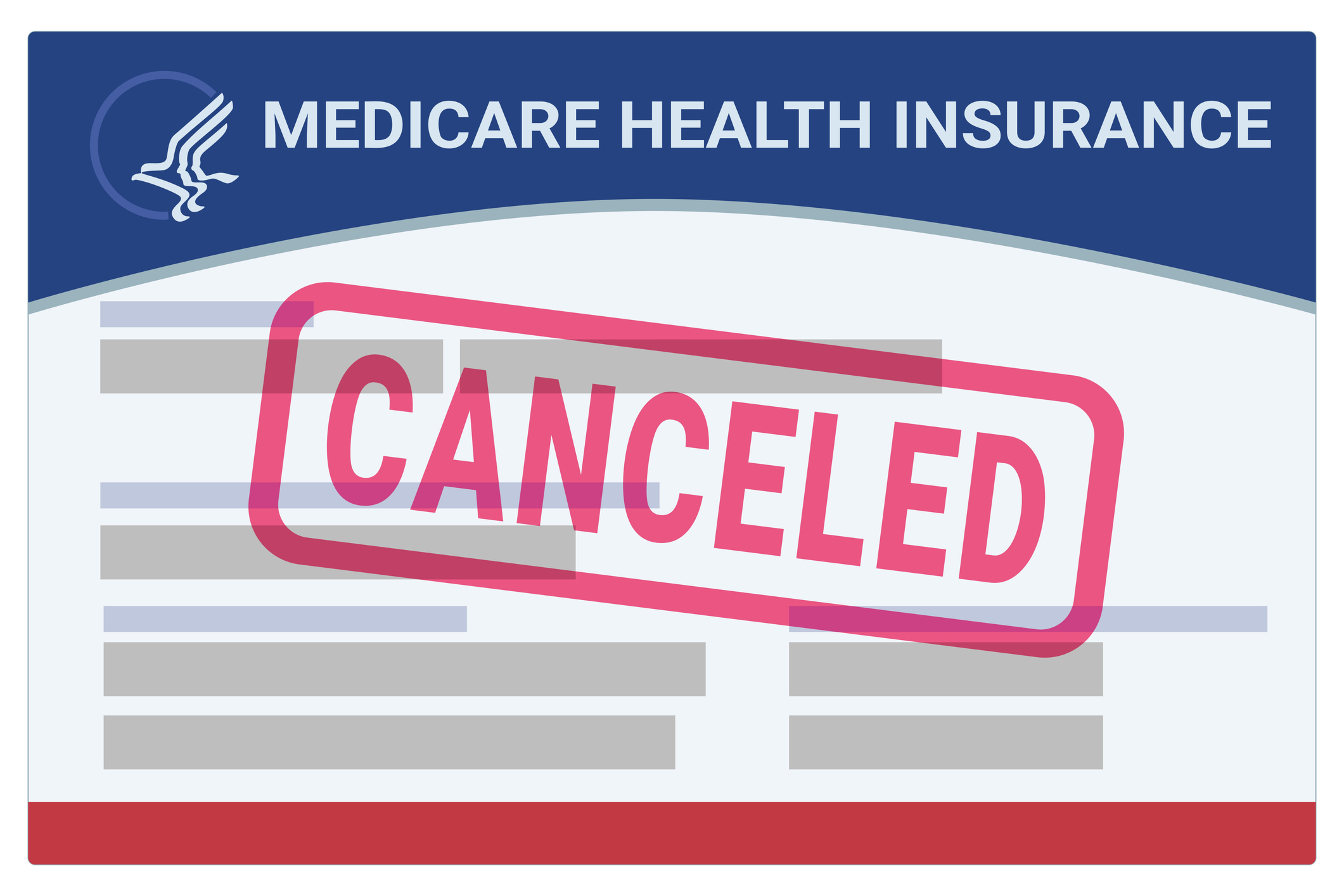
Once the Social Security Administration enters a death record into its core database, it publishes weekly and monthly updates to the public-facing or restricted Death Master File. Major credit bureaus, commercial banks, insurance companies, state tax authorities, and medical systems subscribe to these automated updates so they can cross-reference their own databases and protect against fraud. Unfortunately, this means that a single typographical error at the federal level instantly triggers automated security protocols across the private sector. Bank accounts are promptly frozen to prevent unauthorized withdrawals from a "deceased" person’s estate, health insurance policies are canceled, and Medicare coverage is abruptly terminated.
The road back to normalcy is entirely fixable, but it demands extraordinary diligence, patience, and persistence from the affected individual. Because the automated systems work swiftly to lock out anyone flagged as deceased, restoring your identity and financial stability requires navigating a labyrinth of red tape. Experts recommend keeping a detailed log of every conversation with agency representatives, noting exact dates, representative names, and key discussion details.
If administrative progress stalls or bureaucratic roadblocks prevent a timely resolution, affected citizens can reach out to their local congressional representative’s office. Congressional staff members regularly assist constituents in cutting through federal agency red tape to restore essential benefits. Once the Social Security Administration verifies an individual’s identity in person, the agency issues an official document known as the "Erroneous Death Case – Third Party Contact" Letter. To fully recover your financial life, you must present this official letter to banks, doctors, credit bureaus, and other institutions to compel them to reopen your accounts while the electronic clearinghouse catches up.
The root of these recurring errors typically traces back to simple typographical slips. Hospital administrators, medical personnel, funeral home directors, and Social Security clerks occasionally transpose numbers or enter incorrect Social Security digits when reporting or recording mortality data. Because the digital systems lack a robust secondary verification mechanism for living status before broadcasting the death indicator to the Death Master File, the erroneous flags propagate rapidly through interconnected databases.
Fixing an erroneous death record eventually restores access to bank accounts, monthly Social Security benefits, and vital Medicare coverage, but it does not undo the financial trauma, stress, or medical risks endured during the blackout. Recovering from an erroneous death report requires overcoming numerous administrative hurdles, undergoing an in-person identity verification process, and maintaining persistent follow-up to reverse the cascade of revoked services. With enough persistence, however, affected individuals can successfully reclaim their identity, reinstate every benefit they have rightfully earned, and put the administrative ordeal behind them.








No comments yet. Be the first to join the conversation!