
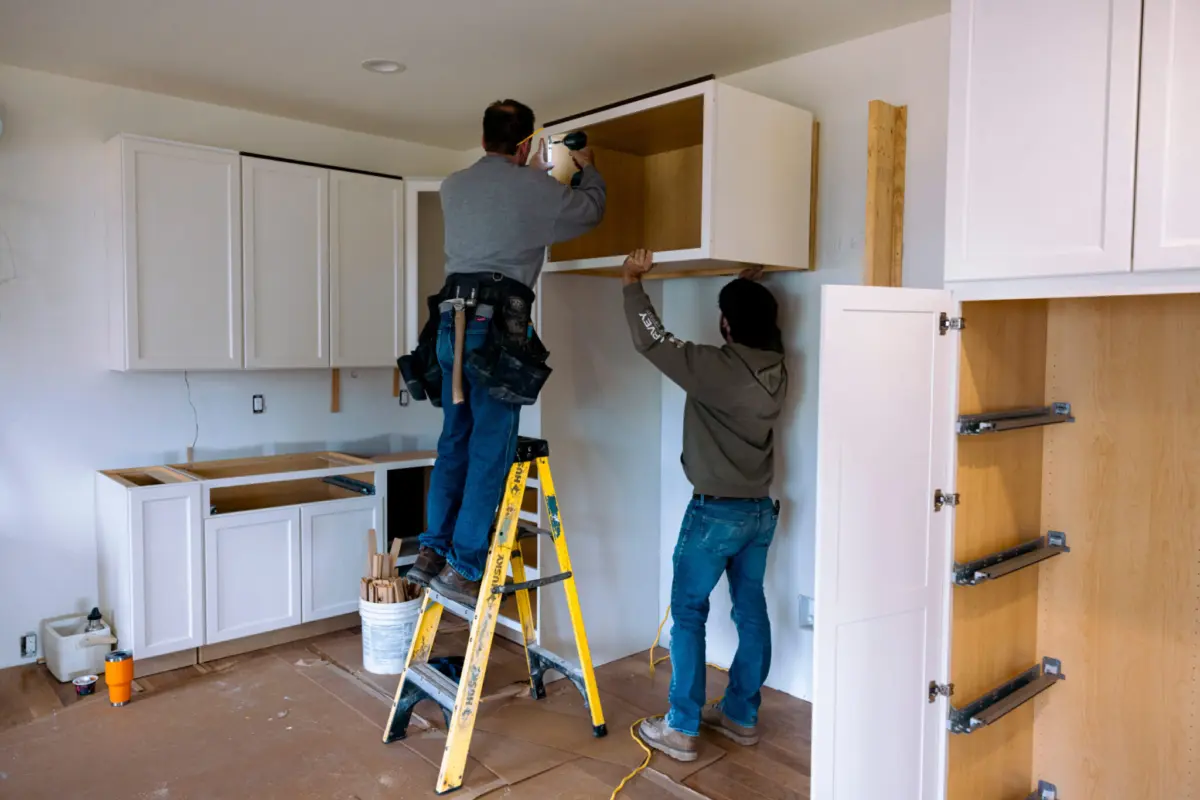
The cost of repairing or remodeling a home has risen steadily through October, driven upward by a complex web of higher oil and energy prices alongside elevated interest rates stemming from the ongoing conflict involving Iran. According to data from insurance data analytics provider Verisk, home repair and remodeling expenses grew at their fastest quarterly pace in the three months leading up to June since October 2024. This latest surge comes on top of a long-running squeeze for homeowners, with repair and remodeling costs already sitting at a decade high, having climbed about 64% since 2016 as of October, Verisk data shows.
Industry experts warn that repair bills could climb even further in the near future. Manufacturers of essential home components—including paint, plumbing fixtures, appliances, and air conditioners—are already grappling with lingering pressures from past tariffs. Now, these producers are preparing to push through yet another round of price increases to offset mounting materials and freight costs.
Corporate executives across the manufacturing and home-goods sectors are pointing to these severe macroeconomic pressures during recent earnings calls, detailing how inflation is bleeding into every corner of the housing and renovation market.
"Just to put it in perspective, this quarter was the most significant inflationary period that we’ve experienced since mid-2022," said Mark Hershey, chief executive officer of ceiling maker Armstrong World Industries Inc. The company implemented a price increase in November, pointing to freight costs that had jumped about 20% compared to the previous year.
Other major household and industrial brands are following suit. Paint producer Sherwin
-Williams Co. enacted an 8% price hike in September and has not ruled out the possibility of further increases. Pool Corp. instituted similar measures, as did HVAC manufacturer Carrier Global Corp. Carrier cited escalating steel, copper, aluminum, and freight costs as the primary drivers, adding that it expects these persistent inflationary pressures to carry straight through into 2027.
Meanwhile, Whirlpool Corp., which manufactures appliances under its namesake brand alongside popular labels such as KitchenAid, Maytag, and inSinkErator, announced plans to boost US prices by 7% in December.
The financial adjustments are sweeping across the broader construction and tool industries as well. "We will have meaningful inflation to address in 2027," Patrick Hallinan, chief financial officer of construction tools manufacturer Stanley Black & Decker Inc., told analysts on an earnings call. "We plan to do so with productivity measures and pricing actions, with a price increase likely around the turn of the year."
Whether companies can successfully pass these higher costs along to everyday consumers often depends heavily on the specific product category, according to Drew Reading, an analyst with Bloomberg Intelligence. Homeowners find themselves in a position where they are fundamentally less able to avoid essential repairs and routine maintenance, even if they choose to mitigate the financial blow by trading down on cosmetic items such as faucets or toilets when undertaking minor updates.
That underlying necessity may ultimately place a protective floor under corporate earnings. Roofing manufacturer Carlisle Cos Inc. anticipates that its current pricing structure will transition into a positive tailwind as broader market costs normalize heading into 2027. The company expects its price increases to fully catch up with rising production costs by the end of 2026. Thus far, higher prices have not noticeably dented overall consumer demand or triggered a rush of pre-buying behavior, according to Carlisle CEO Christian Koch.
Similarly, Masco Corp., a manufacturer that produces faucets under recognized brands including Hansgrohe, credited strategic pricing adjustments with helping to drive a 13% increase in its adjusted operating profit during the third quarter. Addressing the outlook for potential price hikes in 2027, Masco CEO Jonathon Nudi emphasized that raising prices remains the "last lever we pull."
Drew Reading noted that existing price increases largely reflect the ongoing need to mitigate earlier tariff impacts and underlying input costs. However, accelerating prices for copper, oil-based materials, and freight create a strong potential requirement for companies like Masco to implement further price increases in 2027.
At the same time, analysts caution that additional price hikes carry a distinct risk of weakening consumer demand for big-ticket discretionary items. While essential maintenance must be done, larger, non-essential remodeling projects are increasingly vulnerable to consumer pullback.
Some households are already altering their behavior by putting off larger purchases entirely and opting to repair existing appliances rather than replacing them with brand-new models, according to Whirlpool CEO Marc Bitzer. Even so, Bitzer acknowledged the fundamental reality of consumer durable goods: "at one point, people will replace it."











No comments yet. Be the first to join the conversation!