
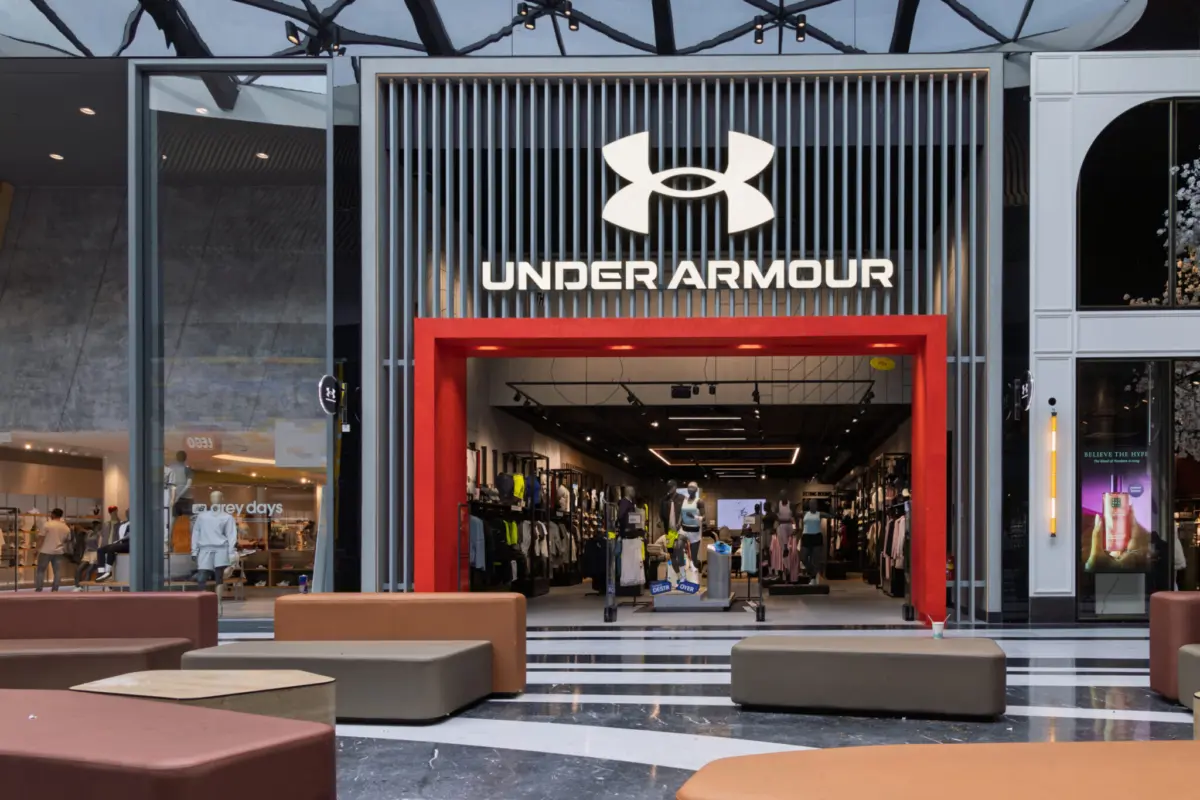
Under Armour CEO Kevin Plank is maintaining a remarkably upbeat outlook on the sports apparel and equipment giant’s long-term trajectory, even as the company navigates a challenging financial period characterized by falling quarterly revenues. During the fiscal second quarter, which ended September 30, Under Armour reported a net revenue decline of 6.9% year over year, bringing total revenue down to $1.24 billion.
Despite the contraction in top-line sales, leadership emphasized that the company managed to meet its fundamental internal forecasts while outperforming expectations on the operational front. Addressing shareholders and market analysts, Plank pointed to the broader corporate transformation currently underway as the foundation for future recovery and sustainable growth.
"We delivered against our revenue expectation and exceeded our operating income outlook," Plank stated in the company’s official earnings announcement. "As we progress in this transformation, we are driving greater efficiency across our business, sharpening our product offering, and amplifying global marketing to strengthen our brand and improve financial performance."
As part of these ongoing remedial efforts, Under Armour disclosed that it incurred a total of $13 million in costs during the second quarter alone, directly linked to its Fiscal 2025 Restructuring Plan. Corporate leadership anticipates that this comprehensive restructuring initiative will be "substantially complete" by the conclusion of calendar year 2026. Looking ahead at the remainder of the fiscal year, Under Armour projects that its full-year revenue will ultimately register a year-over-year decline in the mid-single-digit percentage range.
Within the broader retail landscape, Under Armour maintains a prominent market footprint. The company is ranked No. 158 in the Top 1000 Database, an industry benchmark maintained by Digital Commerce 360 that tracks North America’s largest online retailers by annual ecommerce sales and other performance metrics. Additionally, Under Armour holds the No. 285 position in Digital Commerce 360 and ReFiBuy’s AI Commerce Rankings, a specialized evaluation available through the Top 1000 Pro with AI Database.
Under Armour Wholesale and Ecommerce Sales in Q2
A closer examination of the company’s Q2 performance reveals broad-based pressures across both wholesale and direct-to-consumer channels. During Under Armour’s quarterly earnings call, Plank provided a detailed breakdown of the segments that contributed to the overall revenue reduction.
"Wholesale revenue decreased 6% to $725 million, reflecting the impact of softer full-price sell-through and pressure in parts of the distributor business, partly offset by select accounts and markets," Plank told investors. At the same time, the direct-to-consumer segment experienced a steeper downturn. Direct-to-consumer revenue decreased 8% to $494 million, a figure that encompassed a 7% decline across the brand’s owned and operated physical retail stores alongside a more pronounced 12% drop in digital ecommerce sales.
When dissecting the root causes behind these downward trends, Plank pointed squarely at a broader reduction in consumer traffic. While digital initiatives and improved conversion rates provided some degree of mitigation, drawing shoppers into stores and onto digital platforms remained the central hurdle for the brand during the quarter.
"Traffic remained the primary challenge, particularly in North America, with better conversion and targeted digital initiatives providing some offset," he explained to market analysts.
How Plank Expects Under Armour to Benefit from AI
Speaking during the subsequent earnings call on November 6, Plank addressed the strategic role that artificial intelligence is expected to play as Under Armour works to finalize its turnaround strategy and modernize its operational infrastructure. As retail technology evolves, leadership believes the brand is well-positioned to capitalize on emerging digital tools.
"I think that our industry actually lines and maps up perfectly for the advantage of what AI brings for us," Plank stated.
In order to successfully harness artificial intelligence, Plank outlined three fundamental pillars where the company must concentrate its efforts. According to the CEO, integrating AI solutions into the supply chain, refining merchandising strategies, and optimizing global marketing campaigns will be critical to realizing tangible commercial benefits.
Nevertheless, Plank tempered technological enthusiasm with a pragmatic reminder of fundamental retail execution. He cautioned that regardless of advanced analytics or automation, any comprehensive solution to Under Armour’s current operational hurdles must ultimately resolve basic fulfillment and inventory demands.
Summarizing this operational baseline with a focus on core execution, Plank emphasized a straightforward mandate: "ship us everything that we ordered." In that context, he added that maintaining high standards for inventory accuracy and ensuring that wholesale and retail customers receive complete orders delivered strictly on schedule remain paramount priorities for the brand as it moves forward with its multi-year turnaround.










No comments yet. Be the first to join the conversation!