
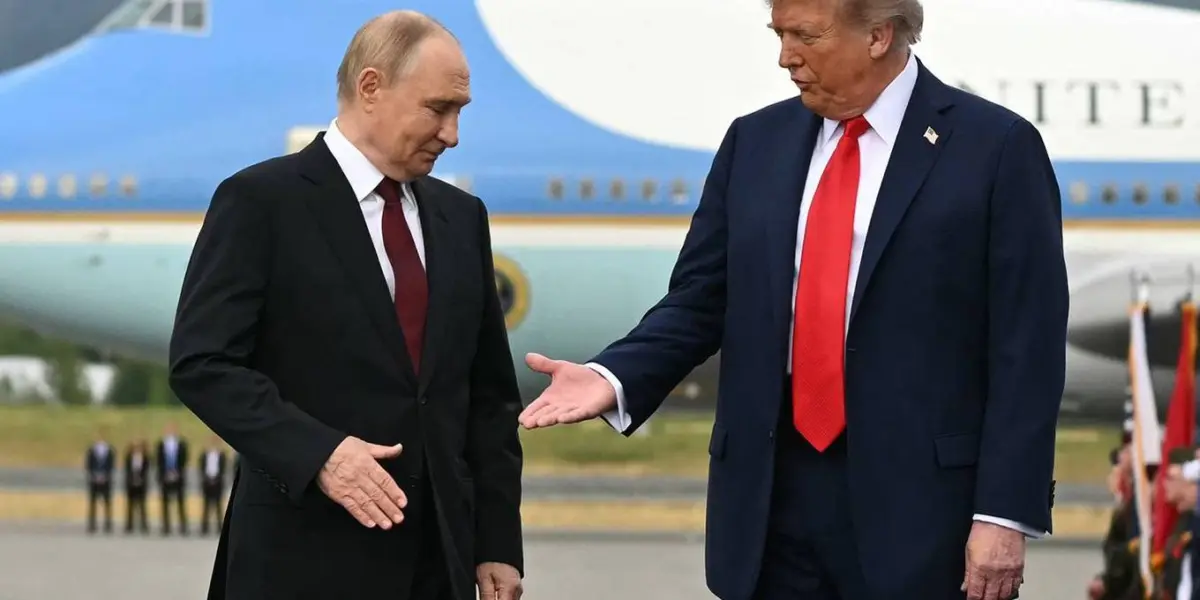
NEW YORK—As the geopolitical landscape shifts with the return of Donald Trump to the center of American policy-making, a growing consensus among foreign policy analysts and observers suggests that the incoming administration is preparing a fundamental realignment of U.S.-Russia relations. Central to this potential shift is a transactional approach that prioritizes economic incentives—specifically, lucrative oil and gas partnerships—over the long-standing security architectures that have defined the post-Cold War era. However, critics argue that this pursuit of a "grand bargain" with the Kremlin risks sacrificing the sovereignty of Ukraine and could ultimately trigger a dangerous destabilization across the European continent.
The strategy, as described by those monitoring the transition, appears to hinge on the normalization of diplomatic and economic ties with Moscow. The rationale offered by the administration’s inner circle suggests that by decoupling energy interests from political disputes, the United States could secure significant financial windfalls. For a faction within the incoming administration, the allure of tapping into Russian energy markets—or, at the very least, removing the sanctions regime that has hindered such cooperation—presents an opportunity to advance an "America First" economic agenda.
Yet, this pivot comes at a profound cost, with Ukraine positioned as the primary casualty. By signaling a willingness to trade away the security guarantees and support that have kept Kyiv in the fight, the administration is effectively advancing Vladimir Putin’s long-term strategic goal: the systematic isolation of Ukraine. The Kremlin’s playbook has long relied on making the defense of Ukraine a fiscal and political burden so heavy that Western, and specifically European, popular support for the effort eventually evaporates. By signaling a retreat from the transatlantic commitment to Kyiv, the U.S. risks creating a self-fulfilling prophecy of abandonment that would leave Ukraine vulnerable to overwhelming pressure from Moscow.
The danger of this bargain, according to international security experts, is not merely the abandonment of a strategic partner, but a fundamental misunderstanding of the nature of the Russian leadership. Vladimir Putin has established a decades-long record of treating business partnerships as temporary instruments of power rather than foundations for stable international relations. History has shown that for the Kremlin, treaties, agreements, and trade deals are often viewed as tactical pauses or methods to buy time, rather than binding commitments.
Analysts warn that if the United States succeeds in securing oil and gas concessions, the victory would be ephemeral. Once Putin achieves the objective of neutralizing Ukraine—either through a forced territorial concession or by stripping it of its Western security umbrella—the Kremlin’s focus would likely shift. There is little reason to believe that a satisfied Russia would settle into a predictable, rules-based order. Instead, the historical pattern of Russian expansionism suggests that once a neighbor is neutralized, the Kremlin’s gaze turns toward the next target, with Europe—and particularly the vulnerable eastern flank of the NATO alliance—standing as the most logical objective in the eyes of Moscow’s strategic planners.
The potential for this strategy to backfire is significant. By removing the pressure of sanctions and signaling a lack of resolve regarding Ukraine’s sovereignty, the Trump administration may inadvertently embolden the very forces it seeks to appease. The economic gains from oil and gas deals would serve to bolster the Russian war machine, providing the Kremlin with the capital necessary to sustain long-term military campaigns and modernize its capabilities. This creates a feedback loop: American dollars fuel the Russian energy sector, which in turn fuels the Russian military, which then uses that increased strength to threaten the security of the very European markets the U.S. seeks to stabilize.
Furthermore, the impact on European unity cannot be overstated. For the past several years, the transatlantic alliance has operated on the assumption of American leadership in the face of Russian aggression. Should that leadership be replaced by a policy of transactional detachment, European nations will be forced to reconsider their own security postures. Some may seek to appease Moscow to preserve their own energy supplies, further fracturing the European Union and weakening the collective defense that has served as a deterrent against further incursions. Others may pursue independent, and potentially destabilizing, rearmament programs, leading to a fragmented and less predictable security environment in Europe.
The argument that this bargain is "spectacularly bound to backfire" rests on the premise that Putin’s objectives are not limited to energy, but are rather rooted in a desire to reshape the global order to reflect a multipolar world where Russian influence is dominant. If the U.S. concedes on Ukraine, it essentially cedes the moral and legal high ground, validating the use of force as a legitimate tool for redrawing borders. This precedent would not only undermine the sovereignty of Ukraine but would threaten the stability of any nation currently existing within Russia’s perceived sphere of influence.
Inside the Beltway, the debate continues over whether such a pivot is even feasible given the deep-seated institutional opposition to a pro-Russian shift. Congress, the intelligence community, and key figures within the traditional Republican foreign policy establishment have long viewed Russia as a primary threat to U.S. interests. However, the influence of the "cronies" and advisors surrounding the incoming administration, who view the geopolitical map primarily through the lens of private sector gain, presents a new variable in this complex equation.
The risk remains that the pursuit of immediate economic gratification will blind policy makers to the long-term strategic catastrophe awaiting them. By treating the defense of a democratic ally as a bargaining chip, the administration risks damaging the credibility of the United States on the global stage. If the world perceives that American commitments are only as strong as the next energy contract, the alliances that have anchored global stability for the better part of a century may begin to dissolve.
Ultimately, the gamble is a dangerous one. By prioritizing short-term financial gain, the U.S. is not securing peace; it is merely delaying a conflict while simultaneously handing its adversary the resources to wage that future war more effectively. The history of dealing with regimes that prioritize power over prosperity is littered with the remnants of failed attempts at appeasement. As the new administration prepares to implement its vision, the question remains whether the lessons of the past will be heeded, or if the temptation of oil and gas will lead to a retreat from the international stage that will haunt the United States and its European allies for decades to come.










No comments yet. Be the first to join the conversation!