
By Shashi Tharoor
November 5, 2026
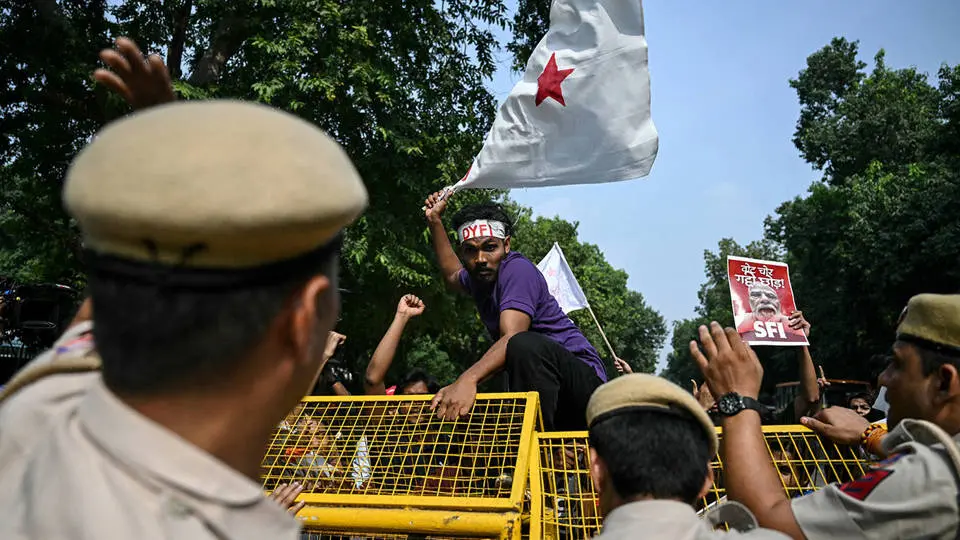
NEW DELHI — India has entered a period of profound political turbulence this autumn, a direct escalation from the social unrest that defined the summer months. What began as a localized struggle for educational accountability has transformed into a systemic challenge to the foundations of the nation’s democratic machinery. At the heart of this burgeoning crisis is the Election Commission of India (ECI), which currently faces intense public scrutiny following a controversial "special intensive revision" of electoral rolls that resulted in the removal of 130 million voters.
This massive administrative purge, which critics argue has effectively disenfranchised a significant portion of the electorate, has acted as a catalyst for widespread agitation. The youth of India, who only months ago successfully pressured the central government into significant policy concessions, have now turned their collective gaze toward the mechanisms of the ballot box. Their movement, characterized by its grassroots fervor and increasing alignment with formal political opposition forces, suggests that the ECI will find it nearly impossible to evade accountability for the mass removal of names from the voter registry.
From Education Reform to Electoral Integrity
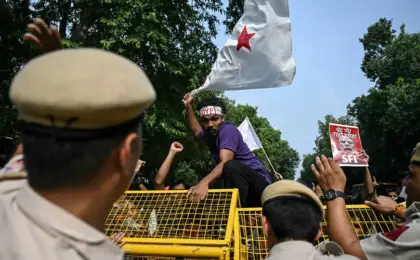
To understand the current climate of protest, one must look back at the summer of 2026. The preceding months were defined by a "summer of discontent," during which India witnessed a potent youth-led movement that paralyzed urban centers and dominated national discourse. Driven by frustrations over the state of the nation’s education system, students and young professionals took to the streets in numbers rarely seen in recent years. This was not merely a protest of grievance; it was a demonstration of civic power.
The movement gained significant political weight when it secured the backing of Rahul Gandhi and the opposition Congress party. The synergy between the street-level activists and established political entities proved to be a formidable force. The pressure became so intense that the Bharatiya Janata Party (BJP)-led central government, which had initially maintained a rigid stance, was forced to capitulate on key demands. Among the most significant victories for the protesters was the forced resignation of Union Education Minister Dharmendra Pradhan. That victory served as a watershed moment, signaling to the Indian public that the government was not immune to sustained, organized pressure.
However, the resignation of a single minister did not satisfy the broader demand for systemic change. Having successfully exerted their influence on the executive branch, the protesters have now pivoted to the electoral infrastructure. The discovery that 130 million voters—a staggering figure by any democratic standard—had been struck from the rolls during a "special intensive revision" process has provided the movement with a new, and perhaps more urgent, focus.
The Crisis of Representation
The Election Commission of India has long been regarded as the guardian of the world’s largest democracy, tasked with ensuring free and fair representation for over 900 million potential voters. The recent revision process, however, has severely tarnished that reputation. By removing such a substantial number of citizens from the electoral rolls, the ECI has triggered a constitutional and political crisis that threatens to undermine the legitimacy of future electoral outcomes.
The sheer scale of the disenfranchisement raises urgent questions regarding the criteria and transparency of the revision process. For millions of citizens, the right to vote is the primary avenue through which they engage with the state. When that right is curtailed—particularly without clear, transparent, and universally accepted justifications—the social contract begins to fray. The protesters argue that the removal of these names is not a routine administrative cleanup, but a targeted exclusion that disproportionately affects the demographics most likely to oppose the current establishment.
The convergence of this issue with the formal political opposition is a critical development. With the Congress party and other opposition factions lending their institutional weight to the protests, the narrative has shifted from an administrative complaint to a fundamental battle for democratic preservation. The opposition has accused the Commission of acting under the influence of the ruling party, suggesting that the "special intensive revision" was designed to tilt the electoral playing field in favor of the BJP.
The Impending Reckoning
The ECI now finds itself in an unenviable position. Historically, the Commission has operated with a high degree of autonomy and public trust. That trust is now visibly eroding. The persistence of the youth movement, bolstered by the support of seasoned political strategists, ensures that the issue of the 130 million missing voters will not fade from the headlines.
Observers in New Delhi note that the Commission’s traditional defense—that the removals were a result of routine verification processes to eliminate duplicate or deceased voters—is no longer being accepted at face value. The magnitude of the numbers involved suggests a systemic failure, if not a deliberate act of engineering. As the protests intensify, the calls for an independent audit of the electoral rolls and for the resignation of senior ECI officials have grown louder.
The government’s previous strategy of waiting for protests to dissipate has proven ineffective in the current climate. The success of the summer protests demonstrated that the Indian public, particularly the younger generation, is increasingly willing to engage in sustained, long-term civil disobedience. The ECI’s attempt to characterize the current agitation as a fringe movement is being undermined by the sheer diversity and geographical spread of the protests. From the capital to state capitals across the country, the demand for "Electoral Justice" has become a rallying cry.
As the political autumn progresses, the central government faces a dilemma. If it continues to shield the ECI from scrutiny, it risks further alienating the youth and providing the opposition with a potent issue around which to coalesce. If, conversely, it allows for a rigorous investigation into the ECI’s practices, it risks exposing deep-seated problems within the electoral machinery that could implicate its own political successes.
The current crisis represents more than a dispute over voter lists; it is a manifestation of the growing tension between the state’s administrative power and the democratic aspirations of its citizens. The 130 million people who found themselves removed from the rolls are not merely statistics; they are voters whose voices have been muted. The protest movement is, at its core, a demand to have those voices restored.
As the protests continue to gain momentum, the pressure on the Election Commission to provide a transparent, detailed, and satisfactory explanation for the "special intensive revision" is mounting. The Commission’s ability to navigate this challenge will determine not only its own future credibility but also the health of India’s democratic institutions in the years to come. For now, the streets of India remain a theater of resistance, as a new generation of voters refuses to accept the erosion of their most fundamental right. The summer of education reform has bled into an autumn of electoral defiance, and the path forward remains fraught with uncertainty for the ruling establishment and the integrity of the Indian state.






No comments yet. Be the first to join the conversation!