
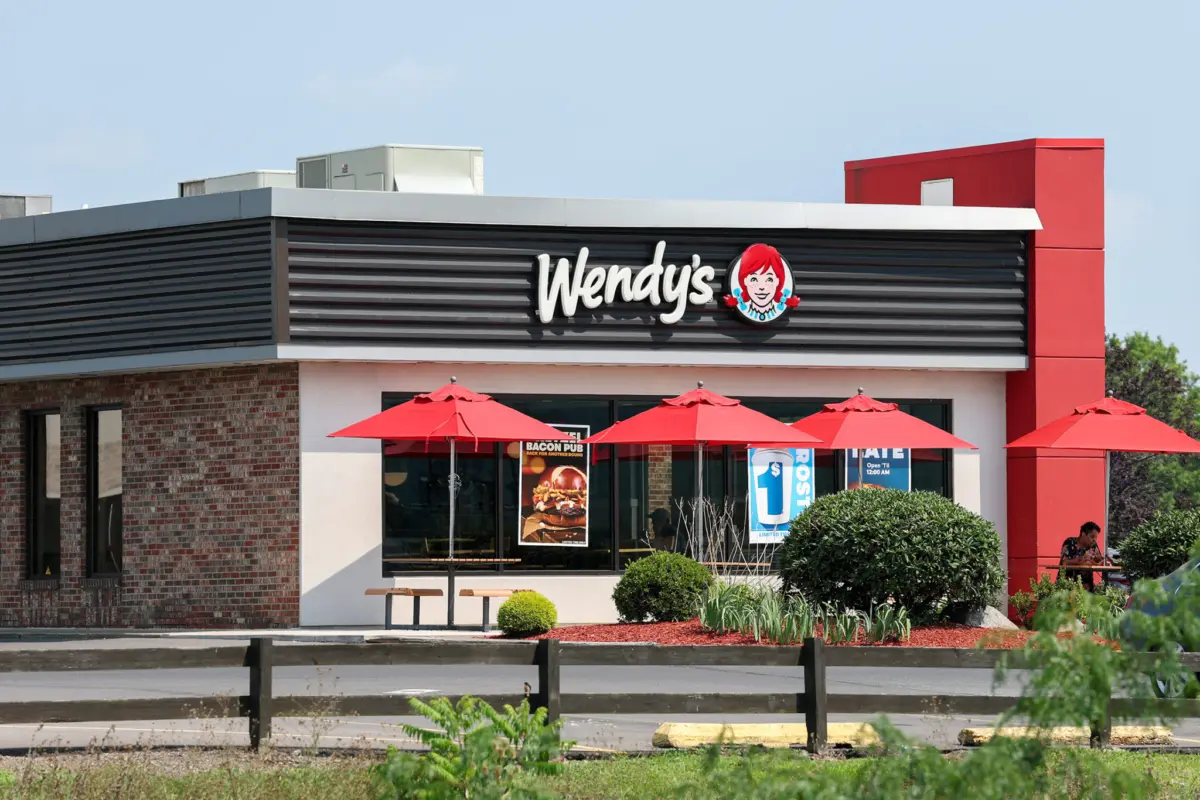
The battle for control of one of America’s most iconic fast-food chains has intensified as Wendy’s officially pushes back against activist investor Nelson Peltz. In a decisive move, the burger giant’s independent directors have unanimously rejected a $1.4 billion buyout offer from Peltz, declaring that the proposal severely undervalues the company and fails to reflect its true long-term market potential.
The rejection sets the stage for a high-stakes corporate showdown between the established leadership of the fast-food chain and one of Wall Street’s most prominent activist investors. Rather than entertaining the buyout bid, Wendy’s leadership has chosen to fortify its defenses, adopting a shareholder rights plan—commonly referred to in corporate finance as a "poison pill"—to fend off any potential hostile takeover attempts by Peltz and his investment firm.
Under the terms of the newly enacted shareholder rights plan, if any individual or investment group manages to acquire a 15% stake in the company, every other shareholder is automatically granted the right to purchase discounted stock. This mechanism drastically dilutes the value of the acquirer’s holdings, making a hostile takeover financially prohibitive. The timing of the defense is critical: Peltz’s Trian Fund Management, alongside its associated partners, already maintains a substantial 16.3% stake in Wendy’s, putting them just over the threshold. To navigate this delicate situation, the newly introduced poison pill is designed to stay in place for a duration of one year, giving the board and executive team breathing room to execute their independent business strategy.
The unfolding corporate drama highlights a fundamental disagreement over the future direction of the fast-food chain. Nelson Peltz and his supporters have argued that the company faces significant macroeconomic headwinds, pointing to persistent inflation, squeezed household consumers, and intensifying competition within the quick-service restaurant sector. From Peltz’s perspective, a private buyout orchestrated by his firm represents the most stable and advantageous path forward for shareholders who might otherwise weather the turbulence of the broader retail and restaurant markets.
Conversely, Wendy’s executive leadership remains steadfast in its belief that the company is fully capable of navigating these economic challenges on its own. Chief Executive Officer Bob Wright, who took the helm of the company in May after transitioning from his leadership role at Potbelly, has actively sought to reassure investors that Wendy’s possesses a solid foundation. In communications with stakeholders, Wright has emphasized that the restaurant chain operates with the right strategy, the necessary operational execution, and the requisite resources to engineer a comprehensive turnaround and drive future growth.
Market indicators have offered some welcome encouragement to the current leadership team. Recently, Wendy’s shares experienced an uptick of more than two percent following the release of better-than-expected third-quarter financial results. This positive market reaction has provided ammunition for the board’s stance, reinforcing the argument that independent management can deliver value to shareholders without ceding control to an outside investor group.
As part of its ongoing operational evolution and effort to optimize performance, Wendy’s is also actively restructuring its physical footprint. The corporation has announced plans to close up to 358 older, underperforming restaurants across the United States over the course of the year. This real estate contraction is part of a broader effort to modernize the brand’s presence and improve overall operational efficiency in an increasingly competitive marketplace.
Industry data underscores the urgency of these strategic adjustments. According to reports from industry tracker Technomic, Wendy’s share of total U.S. burger chain sales has experienced a noticeable decline, slipping from 11.5 percent in 2019 down to 10.4 percent last year. By trimming older locations and focusing resources on modernization and core strengths, executive leadership hopes to recapture lost market share and revitalize the brand’s competitive edge.
With the board’s rejection of the buyout firmly on the record and the shareholder rights plan officially active, all eyes remain on how Trian Fund Management will respond to Wendy’s defensive maneuvers. As the one-year clock on the poison pill begins to tick, the board and executive management team must continue to prove to the investment community that their standalone strategy can deliver the growth and stability that shareholders demand.








No comments yet. Be the first to join the conversation!