
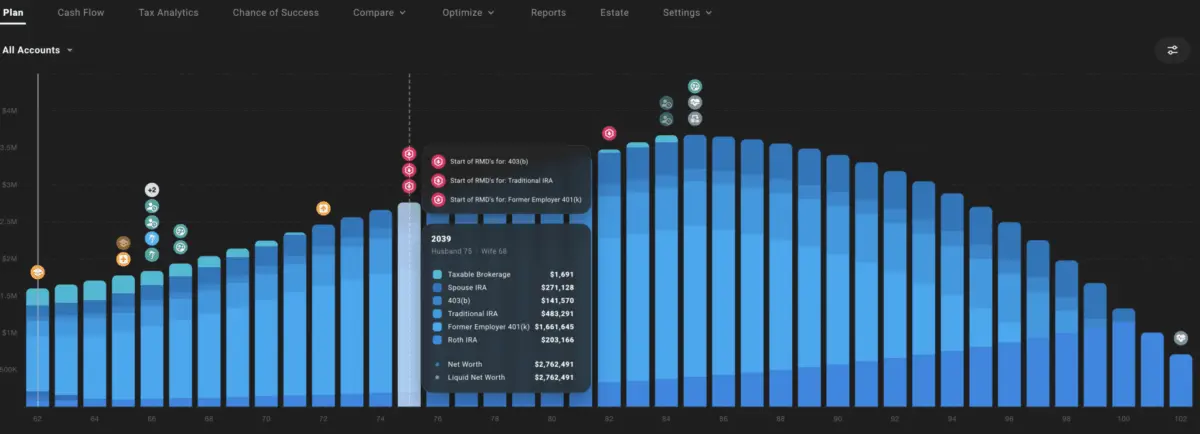
ProjectionLab has firmly established itself as a premier retirement and financial planning software designed to allow individuals to build, test, and analyze detailed models of their financial lives. Users can input accounts, income streams, expenses, and long-term objectives to forecast whether their capital will sustain them, pinpoint precise retirement timelines, and evaluate the consequences of pivoting financial strategies mid-journey.
After five years of steady development since its initial launch in April 2021 by founder Kyle Nolan, the platform has matured from an early-stage concept into a robust planning suite equipped with a polished interface. Over this period, the application has expanded far beyond basic forecasting, incorporating advanced features for tax optimization, estate planning, and international support, making it one of the most prominent tools utilized within the financial independence and early retirement (FIRE) communities.
What Is ProjectionLab and Its Core Philosophy
At its core, ProjectionLab is engineered for individuals who prefer an active, hands-on approach to mapping out their financial trajectories. Users begin by logging their current financial standing and articulating their long-term destinations. The platform then projects net worth, income, expenses, and tax liabilities year by year, extending through retirement and the ultimate conclusion of the model.
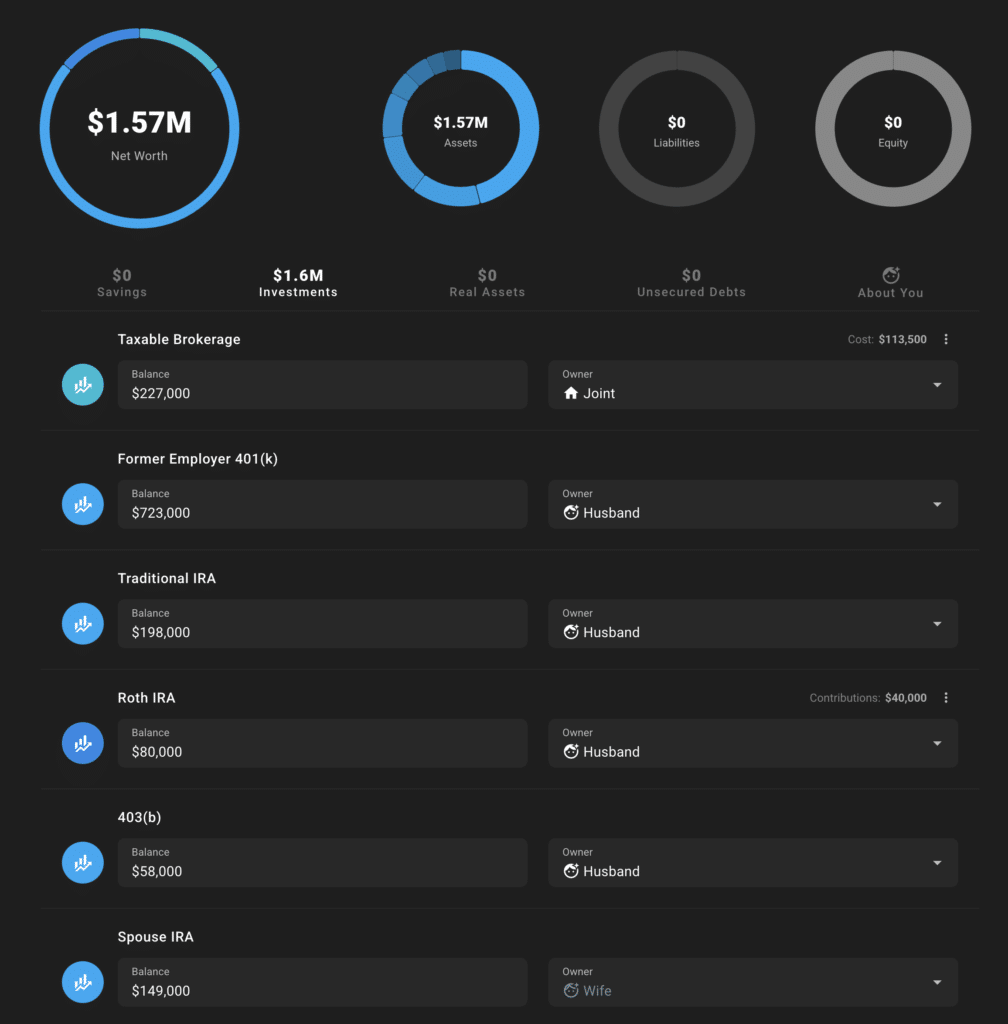
A defining characteristic of ProjectionLab is its strict privacy stance. The software explicitly avoids requiring users to link external bank and brokerage accounts. Instead, account balances and financial data are entered and updated manually on a schedule dictated by the user. This design philosophy hinges on the premise that the user is the customer rather than the product, ensuring that personal financial data is neither monetized nor exposed to advertising networks. For privacy-conscious planners, this approach represents a deliberate trade-off, substituting automation for complete data ownership and security.
Platform Structure, Pricing, and Access Tiers
ProjectionLab operates on a tiered structure billed annually, lacking both monthly payment options and lifetime purchase models. The Basic tier is available for free, allowing users to build plans and execute core forecasting, Monte Carlo simulations, and historical backtesting. However, the free version does not retain data between sessions, and more sophisticated utilities—such as granular cash-flow projections, tax optimization strategies, withdrawal sequencing, and estate planning—remain restricted to the paid tiers.
To unlock full functionality and data persistence, users upgrade to the Premium subscription, priced at $129 annually. This tier provides access to the complete suite of individual planning tools, including comparative scenario modeling, international tax presets, and downloadable reporting features. For financial professionals, a Pro tier is available at $549 per year, which includes a centralized client dashboard and ten initial client seats. Both paid subscription levels feature a seven-day trial period, enabling users to evaluate the complete feature set prior to committing financially.
Mechanics of Building a Financial Plan
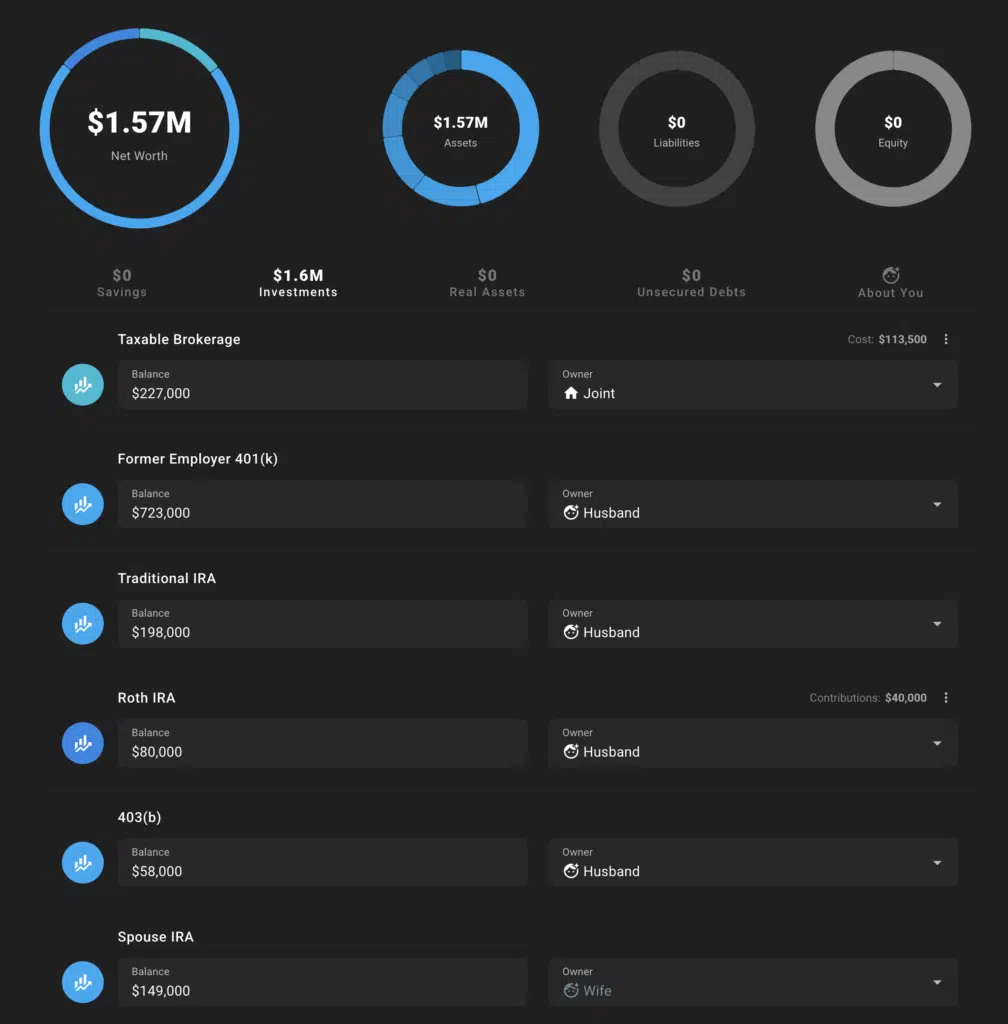
Constructing a plan within ProjectionLab follows a methodical, logical sequence designed to capture the nuances of an individual’s financial ecosystem. The process begins with the entry of all current assets, spanning liquid savings, taxable brokerage accounts, tax-advantaged retirement vehicles, health savings accounts, 529 education savings plans, physical assets like real estate holdings, and cryptocurrency. The platform accommodates a comprehensive array of specific account categories, including traditional and Roth variants of 401(k), 403(b), 401(a), and 457(b) plans. This level of granularity is essential for the software’s subsequent calculations regarding tax obligations and required minimum distributions.
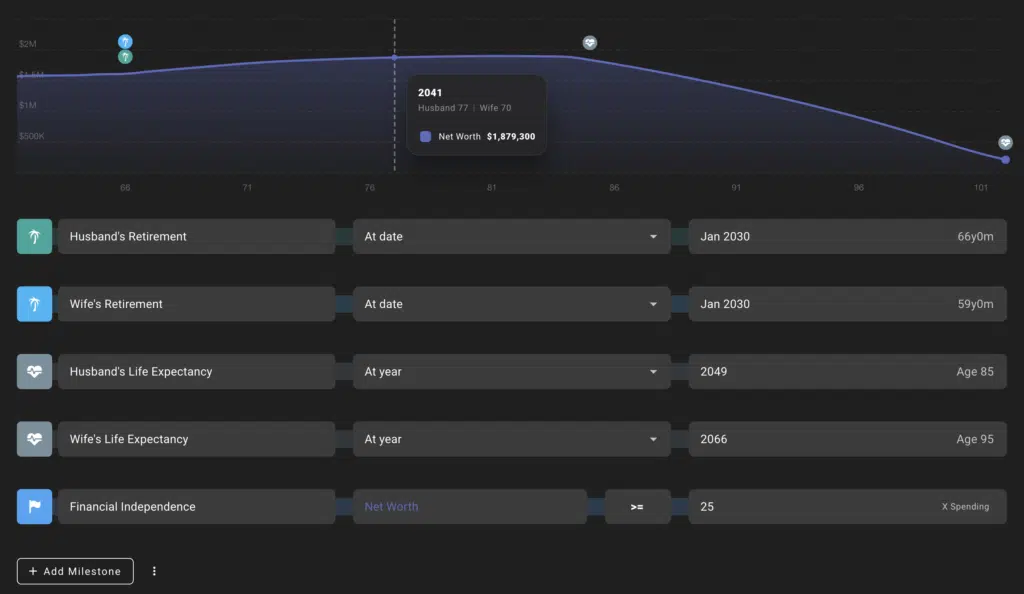
Following asset cataloging, users establish milestones representing major life events that alter their financial trajectory, such as retirement dates, residential purchases, career pivots, family expansion, or planned relocations. These milestones can be adjusted dynamically to observe how shifts in timeline impact the overarching plan.
The next phase involves mapping income sources—ranging from primary salaries and entrepreneurial ventures to pensions and Social Security benefits—alongside categorizing expenses into essential and discretionary buckets. This distinction enables flexible spending models later in the planning process. Users then define cash flow priorities, dictating the precise rules by which surplus capital is allocated annually, whether toward debt eradication, emergency reserves, retirement contributions, or taxable investments.
Advanced Features and Analytical Capabilities
As ProjectionLab has matured, its feature set has expanded significantly beyond simple net worth projections. Among its primary analytical tools is the Chance of Success metric, which subjects a user’s plan to thousands of simulated market iterations via Monte Carlo simulations, alongside historical backtesting against actual past market performance sequences. This statistical output yields a clear success percentage that facilitates direct comparison between competing financial strategies.
For cash flow visibility, the platform utilizes Sankey diagrams to illustrate the annual movement of capital. Users can visually trace funds entering from various income streams as they are distributed across tax obligations, living expenses, and portfolio savings.
Tax planning represents one of the platform’s most substantial developments. The software models progressive tax brackets, capital gains taxes, the impact of Roth conversions, and dynamic withdrawal sequencing to help users manage tax burdens during their working years and throughout retirement. Similarly, withdrawal strategy configurations allow planners to dictate the exact order in which accounts are drawn down—such as utilizing cash reserves first, followed by taxable investments, tax-deferred accounts, and finally Roth assets—while supporting variable spending rules that adapt to portfolio performance.
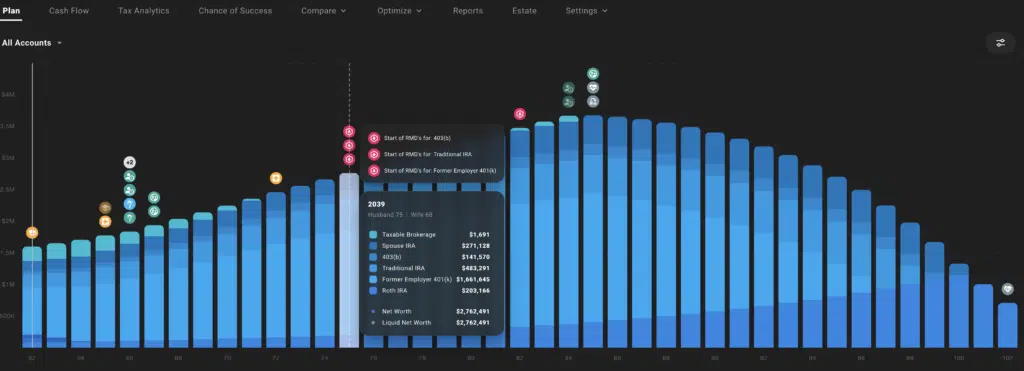
The platform also features dedicated modules for estate planning, allowing users to estimate generational transfers, model federal estate taxes, and incorporate charitable giving strategies such as Qualified Charitable Distributions and Donor-Advised Funds. Through its Compare and What-If mode, planners can overlay multiple scenarios simultaneously, observing the immediate impact of altering retirement ages, mortgage payoffs, or investment allocations on their overall net worth and success probability. Furthermore, international support has been introduced to accommodate users outside the United States, featuring tax presets and account structures tailored to jurisdictions including Canada, the United Kingdom, Australia, the Netherlands, and Germany.
Target Audience and Suitability
ProjectionLab is ideally suited for meticulous planners who prefer direct oversight of their financial modeling and appreciate the ability to test complex, multi-variable scenarios without relying on automated financial advisors. It is particularly popular within the FIRE community due to its capacity for handling unconventional retirement timelines and flexible spending rules.
Conversely, the platform is generally not recommended for individuals seeking automated budgeting, passive tracking, or those who prefer a completely hands-off approach that syncs automatically with financial institutions. For users who prioritize deep customization, robust tax forecasting, and absolute data privacy over automated convenience, ProjectionLab provides a comprehensive environment to evaluate and refine their long-term financial strategies.









No comments yet. Be the first to join the conversation!