
By Joseph Zeira
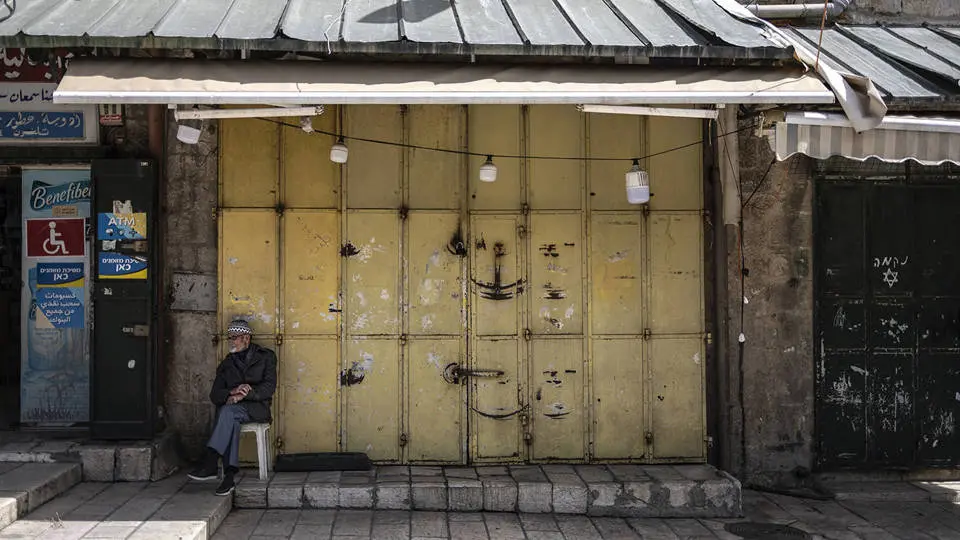
JERUSALEM — As the dust settles on Israel’s latest election results, the country finds itself entering a period of prolonged political uncertainty. With weeks of coalition negotiations now all but guaranteed, the focus of the political class remains firmly fixed on the formation of a government. Yet, beyond the parliamentary maneuvering and the distribution of cabinet portfolios, a more profound and pressing challenge looms: the quiet, steady erosion of the Israeli economy after three years of sustained conflict.
On the surface, the narrative of the Israeli economy appears remarkably resilient. Observers often point to the robust performance of the Tel Aviv Stock Exchange and the surprising strength of the shekel as evidence of a nation that has successfully insulated its commercial interests from the volatility of war. However, beneath these superficial indicators of stability lies a more complex and troubling reality. For those analyzing the macroeconomic fundamentals, the past three years have inflicted damage far more severe than market fluctuations suggest. The disconnect between the financial markets and the ground-level economic reality is not merely a technical anomaly; it is a warning sign of a structural crisis that has been accumulating since the onset of the conflict.
The most immediate strain on the national balance sheet is the staggering escalation in defense spending. Sustained warfare is an expensive endeavor, requiring not only the continuous procurement of advanced weaponry and munitions but also the mobilization of vast human and logistical resources. This surge in military expenditure has necessitated a dramatic increase in government borrowing. As the state seeks to finance its defense requirements, it has been forced to tap into international and domestic credit markets at an accelerating pace. While the state has thus far maintained the ability to borrow, this reliance on debt is creating a long-term fiscal burden that will constrain government spending for years to come.
This fiscal trajectory, however, is only one side of the coin. The other, perhaps more damaging, side is the persistent decline in output and investment across the civilian sectors of the economy. When a nation pivots its resources toward a prolonged war effort, it inevitably sacrifices growth in other areas. Human capital is diverted from innovation, technology, and manufacturing into the defense apparatus. Simultaneously, the uncertainty inherent in a long-term conflict acts as a powerful deterrent to foreign direct investment and domestic capital expenditure. Businesses are naturally hesitant to expand or commit to long-term projects when the geopolitical landscape remains so volatile, leading to a palpable stagnation in the private sector.
Economists have long noted that wars create a "hollow" growth effect. Defense spending, while vital for national security, does not generate the same long-term productivity gains as private investment in education, infrastructure, or civilian technology. When the government spends on missiles or troop deployments, it is essentially consuming existing resources rather than building the productive capacity that drives future prosperity. As these defense-related costs rise, they crowd out the essential public investments needed to keep the economy modern and competitive. Consequently, the signs of a recession—falling output, reduced private investment, and a shrinking tax base—are becoming increasingly difficult to ignore.
The political process currently unfolding in Jerusalem will inevitably culminate in the formation of a new government. Regardless of its composition, this incoming administration will be tasked with a daunting agenda. The luxury of ignoring these economic imbalances is rapidly evaporating. The new cabinet will be forced to reckon with the reality that the "robust" economy they inherit is, in many ways, a fragile construct maintained by temporary measures and debt-fueled stability. Addressing this will require a sober reassessment of national priorities and a willingness to confront the fiscal consequences of the last three years.
The challenge for the incoming government is twofold. First, it must manage the immediate demands of the ongoing conflict while acknowledging that the current levels of spending are unsustainable over the long term. This requires a difficult balancing act: ensuring national security without hollowing out the very economy that provides the resources for that security. Second, it must find a way to reignite private sector investment and restore growth in the non-defense sectors. This is easier said than done, as restoring investor confidence requires a degree of political and geopolitical stability that the current environment has failed to provide.
Furthermore, the impact of the war extends to the labor market. The mobilization of large numbers of reservists, combined with the disruptions caused by conflict, has created significant bottlenecks in various industries. The loss of productivity from these workers, coupled with the strain on families and businesses, has a cascading effect that is difficult to capture in quarterly GDP figures but is keenly felt in the daily operation of the economy. As the conflict drags on, the cumulative loss of human capital and the disruption of professional trajectories represent a "hidden" cost that will impact the nation’s productivity for years after the fighting ceases.
The resilience of the shekel and the stock market, while impressive, should not be mistaken for an endorsement of the status quo. These markets often reflect short-term liquidity and the actions of major institutional players rather than the long-term health of the real economy. For the average citizen, the reality is defined by the rising cost of living, the uncertainty of the job market, and the awareness that the national debt is rising at an alarming rate. These are the indicators that truly matter for the sustainability of Israel’s economic future.
As the political negotiations conclude and the new government takes its place, the discourse must shift from the tactical to the structural. The illusion of an economy that is "doing just fine" must be dispelled in favor of a candid assessment of the damage sustained during these years of war. The fiscal pressures, the drop in private investment, and the looming recessionary pressures are not distant threats; they are the current context of the Israeli economy.
Rebuilding the economic foundation of the country will require more than just sound fiscal policy; it will require a strategy that integrates security needs with long-term economic development. The new government will have to navigate a narrow path, attempting to manage the costs of war while simultaneously incentivizing the innovation and investment that have historically been the engines of the Israeli miracle. The task ahead is significant, and the time for a serious economic reckoning has arrived. The months and years ahead will be defined not just by how the state manages its borders, but by how it manages the structural consequences of the conflict that has transformed its economic landscape. The stability of the state in the long term depends as much on its fiscal health as it does on its defensive posture, and the coming period will be the ultimate test of that balance.








No comments yet. Be the first to join the conversation!