

In 2014, a cinematic portrayal arrived in theaters exploring the life of a prickly, brilliant inventor determined to build a machine capable of solving any problem. That film, The Imitation Game, depicted the secretive creation of a powerful cryptographic technology that ultimately allowed a small group of military leaders to unilaterally determine the life and death of thousands during World War II.
From the vantage point of 2026, the storyline carries an unsettling, almost dystopian resonance. Yet, upon its release, the film was celebrated as a triumphant tribute to its protagonist, Alan Turing, and his pivotal role in helping the Allies decrypt vital German intelligence messages en route to victory. The movie became a massive box-office smash, secured an Academy Award, and served as a shining example of Obama-era, techno-optimist storytelling. During that period, Hollywood frequently embraced narratives celebrating rugged, relentless individuals building futuristic technologies designed to forge a better society.
How times have changed. This fall, a striking new crop of cinematic releases has arrived in theaters and on streaming platforms, serving essentially as a direct rejection of that past techno-optimist thesis and a damning referendum on the past decade of technological expansion. In the worldview of these new films, modern tech titans have systematically used their immense power to exacerbate violent extremism—as depicted through Mark Zuckerberg in The Social Reckoning—and to undermine foundational democratic norms, a theme explored regarding Elon Musk in the biographical drama Musk. Others target figures like Elizabeth Holmes for misleading the public in You Can See Everything, or Sam Altman for gambling recklessly with the future of humanity in Luca Guadagnino’s Artificial.
In some instances, the scope of these films appears to shift effortlessly from dramatic depiction into outright political activism. In The Social Reckoning, for example, the protagonists who are attempting to hold Zuckerberg accountable argue passionately that the only way to compel powerful people to change their behavior is to "cause pain." And pain is something Hollywood can certainly inflict. Over the past several years, technology companies have invested hundreds of billions of dollars to establish artificial intelligence as the fundamental pillar of modern society, leaving them uniquely vulnerable to a financial bloodbath should the general public ultimately reject their tools.
Yet, the overtly damning tone of these films could also prove to be profoundly self-sabotaging. The entertainment industry is largely controlled by a handful of massive conglomerates and billionaires who are themselves heavily invested in artificial intelligence—including the development of automated tools capable of replacing human artists. Already, these powerful figures have begun striking back. Elon Musk reportedly threatened to sue Musk director Alex Gibney for defamation, while in June, Amazon’s movie arm abruptly dropped Artificial from its distribution slate. Notably, Amazon maintains a staggering $50 billion investment in Sam Altman’s OpenAI. (The independent distributor Neon subsequently picked up the film.) Only time will tell whether these politically charged movies successfully land a definitive blow against Big Tech, or whether they merely represent the last-ditch resistance of a creative class indebted to corporate overlords they privately abhor.
Tech and Hollywood Mythmaking
These new films are remarkably diverse in their narrative and stylistic approaches. Gibney’s documentary Musk unfolds as a methodical, four-hour examination of the Tesla founder’s corporate foibles and erratic leadership style. Meanwhile, Aaron Sorkin’s dramatic feature The Social Reckoning traces the growing personal disillusionment and eventual moral awakening of Facebook whistleblower Frances Haugen, played by Mikey Madison. Elsewhere, You Can See Everything unfolds as a psychological chess match between the disgraced Theranos founder Elizabeth Holmes—who is desperately attempting to rehabilitate her public image right before reporting to federal prison—and filmmakers Nathan Fielder and Lance Oppenheim, who seek to rigorously interrogate her glaring contradictions.
Despite their different formats, all of these projects converge on one central, probing question: Why are these flawed titans the way they are? Back in 1941, Orson Welles’ landmark masterpiece Citizen Kane established the enduring template for generations of Hollywood character portraits, suggesting that the burning, destructive ambition of an antihero can frequently be traced back to searing moments of early emotional pain. Both The Imitation Game and The Social Network, two of the most prominent tech-focused films of the 2010s, followed this cinematic tradition by giving Turing and Zuckerberg their own psychological "Rosebuds" in the form of past romantic heartbreak. These narrative framings effectively rationalized their later harmful actions, subtly communicating to audiences that tech geniuses experience rejection and then lash out just like anyone else.
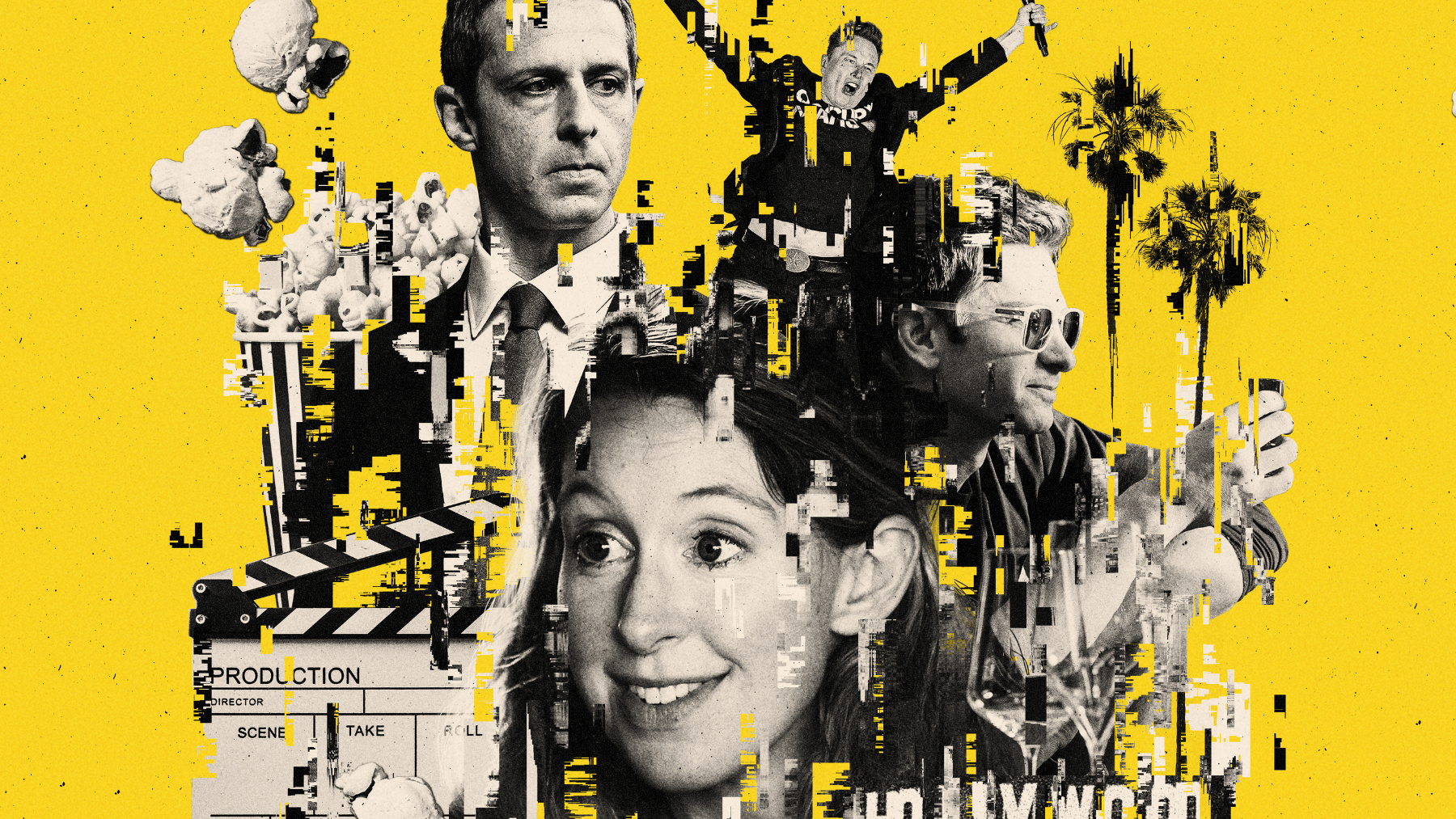
This new wave of films, however, arrives at a largely opposite conclusion. Instead of finding sympathetic excuses, these stories argue that contemporary tech overlords have charted a disastrously wayward course for humanity precisely because of how differently—and how callously—they think. Back in the 2000s, investors like Peter Thiel and other members of the influential "PayPal Mafia" popularized the belief that the definitive path to Silicon Valley success required chasing relentless speed and scale at absolutely any cost. This new playbook dictated that founders must bet everything on a singular company vision, sell the public on an ambitious corporate myth even when parts of it were demonstrably untrue, and aggressively scheme toward market invention and eventual monopoly, before rinsing and repeating the cycle on an even grander scale.
While this aggressive approach successfully built some of the most valuable corporations in human history, the new movies argue that it also baked systemic failure, deception, and severe collateral damage directly into the development process. Furthermore, unlike past generations of heroes tasked with fighting existential threats like Nazism, these modern tech figures appear driven primarily by a singular, hollow goal: acquiring, addicting, and monetizing as many human users as possible.
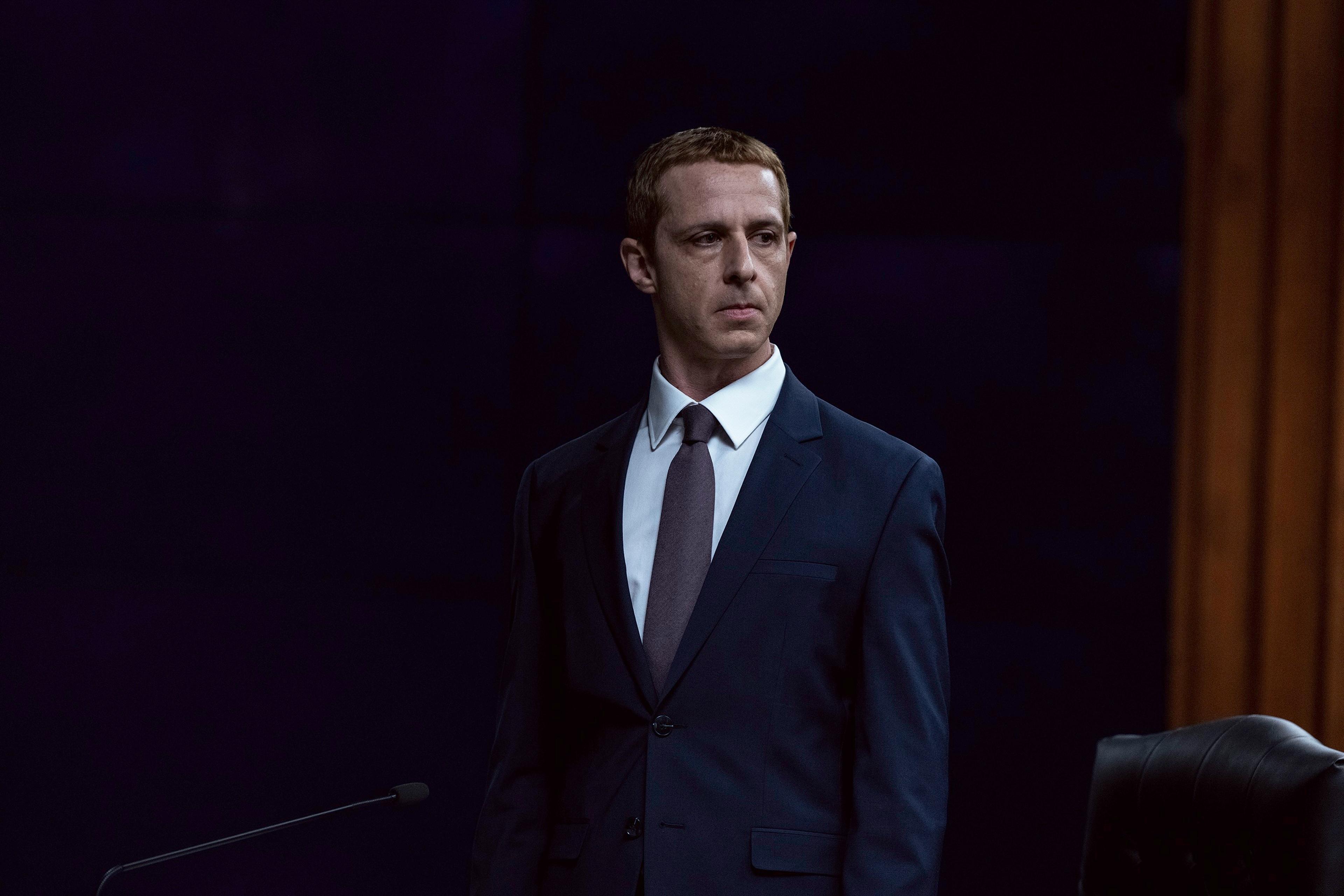
These cinematic projects grapple intensely with this profound psychological shift. When Aaron Sorkin wrote the screenplay for The Social Network in 2010, he portrayed Zuckerberg as petulant and socially awkward, yet still possessing a certain underlying idealism and a rebellious desire to stick it to the establishment. A quarter of a century later, the Zuckerberg he wrote and directed Jeremy Strong to portray in The Social Reckoning is the establishment itself: cold, robotic, and calculating, making massive societal decisions through purely clinical cost-benefit analysis. Similarly, in Luca Guadagnino’s Artificial, Andrew Garfield depicts Sam Altman as a serial fabricator willing to say anything if it furthers his corporate mission. These figures are no longer depicted as romanticized antiheroes, but rather as outright villains whose self-serving worldviews may be fundamentally incompatible with the survival of democracy.
AI Anxiety
The dangerous implications of these worldviews become even more pronounced as Silicon Valley shifts its primary focus from social media monetization to artificial intelligence. Interestingly, the film that most directly confronts current real-world AI harms is not part of Hollywood’s mainstream studio crop, but rather an independent documentary titled NAZA, shot covertly in Tel Aviv by two Oscar-winning Israeli directors. Under the cover of darkness, anonymous Israeli military officers describe on camera how advanced AI targeting tools enabled mass surveillance and automated bombing campaigns in Gaza. These systems allowed personnel to conceptualize warfare as a video game, viewing human victims not as people, but as statistical "ants" or components of a "factory of targets." (The Israel Defense Forces have formally rejected many of the claims presented in the documentary.)
Meanwhile, both Musk and Artificial carry heavily apocalyptic overtones. Gibney’s documentary concludes with a striking visualization of Musk launching into space on a rocket ship as the planet Earth explodes behind him. Reflecting on the project in a recent interview, Gibney noted that his personal level of dread is currently exceptionally high. "Elon Musk is betting on whether or not AI will lead us to a moment of extraordinary abundance or basically the end of life on earth," Gibney remarked. "Who makes that kind of a bet?"
This Time, It’s Personal
What will the overwhelming wave of negativity in these films ultimately achieve? Gibney hopes to offer a holistic and rigorous examination of the character of modern tech leaders, who are constantly pivoting away from unfolding public relations crises and toward the next shiny technological frontier. Musk has continuously shifted his focus from electric vehicles to commercial rockets, government influence, and artificial intelligence. Similarly, Zuckerberg abruptly rebranded Facebook as Meta amid the severe regulatory and public backlash triggered by Frances Haugen’s whistleblowing disclosures—and when the heavily promoted metaverse failed to capture widespread consumer interest, he swiftly redirected massive corporate funds toward generative AI.
Cinema has long offered viewers a deeply engaging escape from the exhausting algorithmic hamster wheel of modern digital life, while undeniably shaping public perception in profound ways. Elizabeth Holmes herself acknowledges this dynamic in You Can See Everything, according to filmmaker Nathan Fielder, noting that many everyday people who encountered Holmes in prison genuinely believed that The Dropout—a fictionalized Hulu miniseries starring Amanda Seyfried—was an objective documentary about her life.
This rising tide of cinematic hostility matters immensely because the grand ambitions of the artificial intelligence industry depend entirely on achieving mass consumer adoption. To fund the massive infrastructure required to train increasingly powerful AI models, companies like OpenAI and Meta have borrowed hundreds of billions of dollars, debts they will eventually need to repay by generating consistent and unprecedented revenue streams. Yet, the general public remains deeply distrustful of artificial intelligence, even as millions adopt its tools out of professional or personal necessity. If a film like Artificial successfully persuades large numbers of people to stop using platforms like ChatGPT—much like actor Andrew Garfield has publicly resolved to do—it could place severe financial pressure on the industry’s massive monetary wager.
At the same time, many potential moviegoers already harbor deep animosity toward Big Tech, while others remain entirely disengaged, preferring to spend their leisure time on distractions rather than obsessing over the personal lives of tech executives. Consequently, box-office returns have varied widely. The Social Reckoning has grossed a modest $17 million—a far cry from The Social Network’s impressive $225 million theatrical haul—while Musk has brought in just $730,000 despite receiving strong critical reviews. (You Can See Everything has fared somewhat better commercially, though that may be largely driven by public fascination with Nathan Fielder rather than Elizabeth Holmes herself.)
Despite mixed box-office returns, the tech titans themselves are clearly paying attention and responding in kind. Industry executives are increasingly restricting journalistic access and declining traditional television interviews, opting instead for friendlier, unfiltered forums like popular podcasts. Furthermore, tech platforms have demonstrated their ability to shape how these critical projects are perceived online; several major platforms initially declined to run the promotional trailer for Musk, citing restrictive policies regarding "political content."
Beyond public relations, these billionaires effectively own major film distribution pipelines and possess the financial leverage to curtail funding for critically minded projects, potentially relegating independent dissenting voices to the margins. Most significantly, they are actively developing advanced AI tools that threaten to render human participation in filmmaking entirely obsolete through synthetic actors, automated animation, AI-generated set design, and rapid storyboarding.
Given the magnitude of these mounting threats, it is hardly surprising that this new wave of tech-focused cinema thrums with palpable urgency and apocalyptic rhetoric. Much like the classic movie tagline which declared, "This time, it’s personal," Hollywood is snapping back, consciously casting itself as an embattled underdog fighting desperately for its artistic survival. The sobering reality, however, is that the creative industry may already be sitting comfortably inside Big Tech’s gaping jaws.






No comments yet. Be the first to join the conversation!