
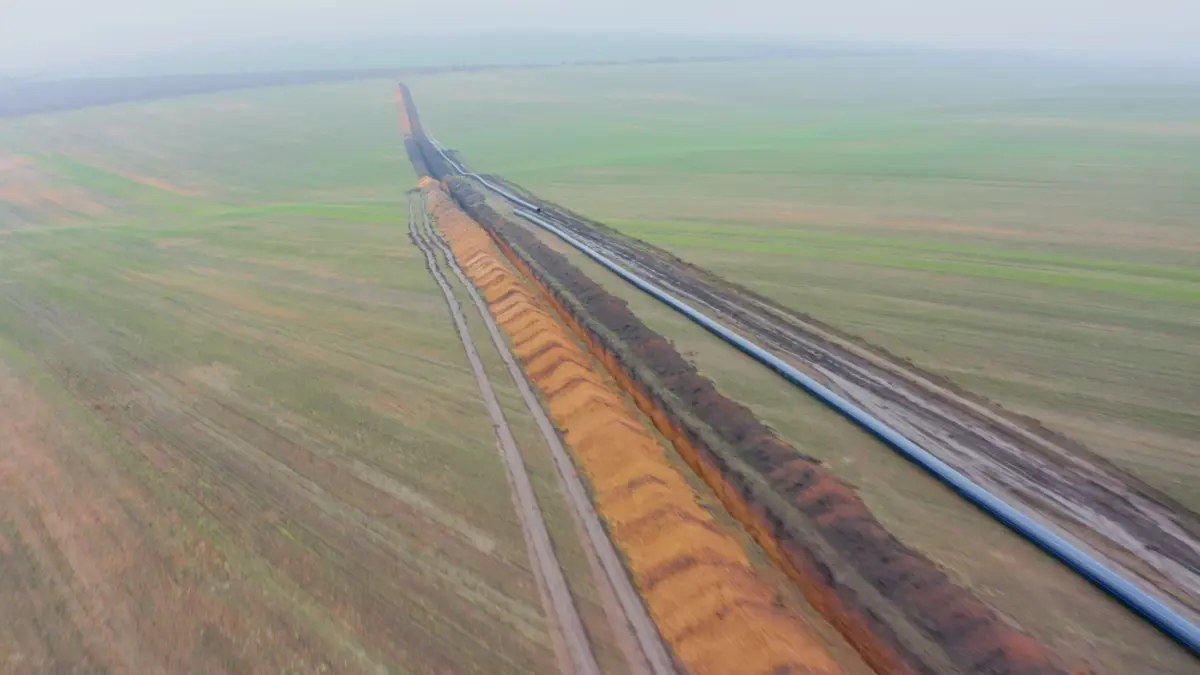
The ClearBridge Energy Midstream Opportunity Fund, trading under the ticker symbol EMO, continues to draw attention as a specialized closed-end fund designed to cater to investors seeking a combination of attractive distributions and robust total returns within the energy sector. Operating within the dynamic midstream landscape—which encompasses the vital transportation, storage, and processing infrastructure for oil, natural gas, and natural gas liquids—the fund navigates an environment defined by extensive pipeline networks, terminal facilities, and agricultural or rural terrain developments that keep North American energy flowing from production fields to end markets.
Closed-end funds like EMO offer a distinct structure compared to open-ended mutual funds or exchange-traded funds, operating with a fixed number of shares that trade on public exchanges. This structure allows portfolio managers the flexibility to remain fully invested without managing daily inflows and outflows of capital, a feature that can be particularly advantageous when allocating capital toward long-term energy infrastructure assets that require substantial upfront investment and time to construct. Pipeline construction projects, often stretching across vast rural agricultural fields and complex terrain, represent the backbone of the midstream asset class, providing stable, fee-based cash flows that ultimately support the distributions sought by fund investors.

Market analysts and income-focused investors frequently examine vehicles such as EMO to gauge sentiment within the broader energy midstream segment. The sector has evolved significantly over recent years, transitioning from an era characterized by aggressive debt-financed growth to a period marked by capital discipline, robust free cash flow generation, and an increased emphasis on returning capital to shareholders through dividends and share repurchases. Within this context, closed-end funds provide exposure to a diversified basket of midstream equities, potentially mitigating individual stock risk while aiming to capture the high levels of income historically associated with master limited partnerships and related corporate entities.
The ongoing evaluation of energy infrastructure funds also intersects with broader market disclosures and regulatory transparency practices among financial commentators and analysts. Industry participants frequently maintain personal or professional positions within the asset class, reflecting a direct alignment of interests with retail and institutional investors alike. For instance, disclosures associated with financial commentary on EMO and related equities often highlight long positions in prominent midstream operators such as MPLX, underscoring the interconnected nature of research, analysis, and market participation within the energy sector. Such disclosures ensure that readers and market participants remain fully informed of any potential conflicts of interest while evaluating investment perspectives published across financial platforms.
As market conditions fluctuate, the strategic positioning of funds like the ClearBridge Energy Midstream Opportunity Fund remains a focal point for those looking to balance yield objectives with exposure to essential physical assets. The demand for reliable energy transport infrastructure remains resilient, driven by domestic consumption and international export opportunities for North American hydrocarbons. Consequently, vehicles targeting this space must continually assess asset quality, leverage levels, and payout sustainability to navigate macroeconomic shifts, interest rate environments, and evolving regulatory frameworks governing pipeline approvals and environmental standards. Through these mechanisms, EMO and similar closed-end structures endeavor to fulfill their mandate of delivering competitive total returns to their shareholder base.











No comments yet. Be the first to join the conversation!