
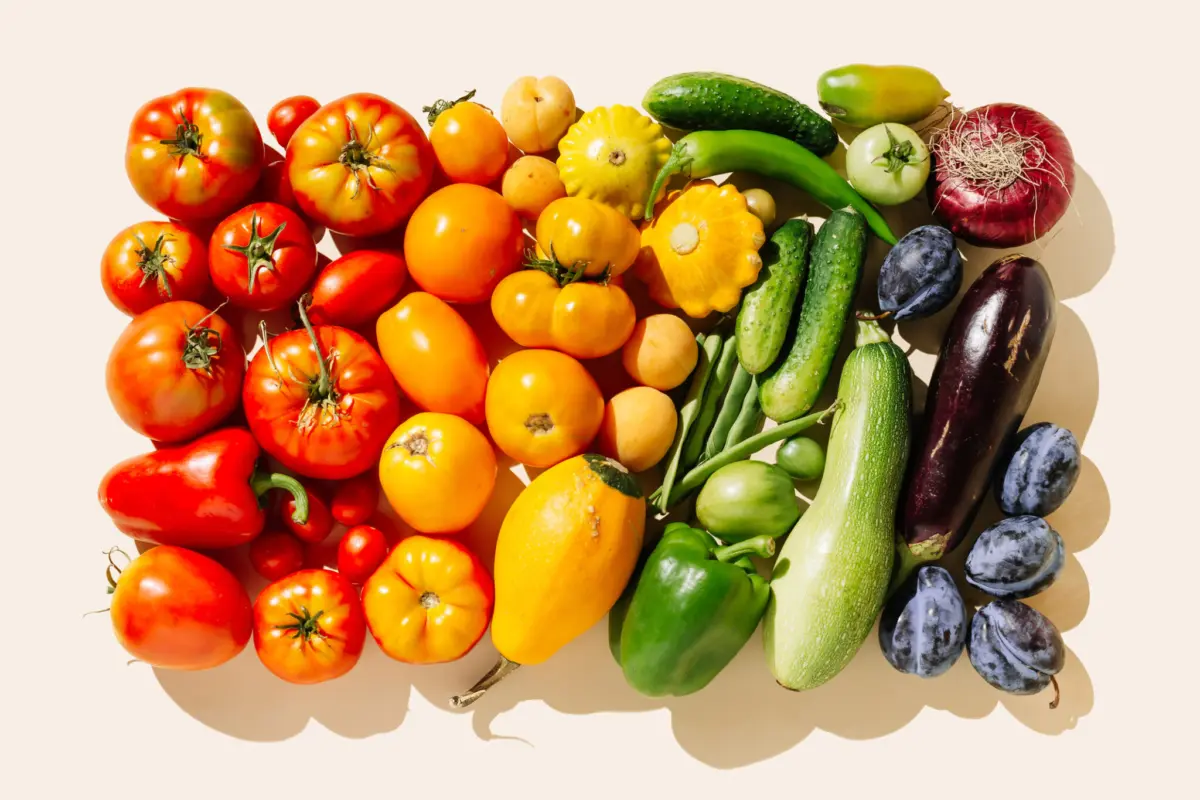
We all know that eating a healthy diet is good for us. Across generations and cultures, the fundamental link between nourishment and vitality has remained an intuitive cornerstone of human existence. Yet, in the modern landscape, nutrition has evolved from a simple daily necessity into one of the most powerful clinical tools we possess to prevent and manage chronic health conditions like heart disease, diabetes, and hypertension. The clinical and scientific evidence supporting this connection is now so robust that the American Heart Association identifies eating better as one of Life’s Essential 8—the eight core metrics and lifestyle factors essential for optimizing and maintaining long-term cardiovascular health.
And yet, a persistent and troubling question echoes across dining rooms, doctors’ offices, and public health forums alike: Why is it still so remarkably difficult for everyday Americans to eat well?
Part of the problem lies in the overwhelming challenge of knowing what to eat as part of a genuinely healthy diet. Nutritional science can often feel needlessly complicated, a maze made even more dense by conflicting health claims, shifting dietary trends, and pervasive marketing messages. Consumers are left to grapple with confusing questions on a daily basis. How much protein does an individual really need to sustain muscle mass without placing undue stress on organs? What is the precise distinction between good fats and bad fats, and where do popular specialty items fit into that equation?
Despite the constant churn of dietary fads, the foundational pillars of a heart-healthy diet have remained remarkably consistent and scientifically validated for years: eat plenty of fruits and vegetables, prioritize lean and healthy sources of protein, and choose whole grains while aggressively minimizing sodium, heavily processed foods, and added sugars. This enduring wisdom was reinforced once again in the comprehensive 2026 Dietary Guidance released by the American Heart Association, reaffirming that the basics of human nutrition do not require radical invention—just consistent execution.
Knowing what to eat and being financially, logistically, and environmentally able to eat that way, however, are two entirely different realities.
Eating a healthy diet is not simply a matter of individual choice, willpower, or personal discipline; it is profoundly dependent on systemic factors, including whether individuals can actually afford healthier foods, which routinely command a higher price tag than their heavily processed, shelf-stable counterparts. Nearly 1 in 7 U.S. households struggled with having enough food to eat at some point during 2024, according to the latest data from the United States Department of Agriculture. When basic food security is a daily battle, the luxury of selecting organic produce or specialized health foods becomes entirely out of reach.
Even when consumers actively try to make sound choices, hidden pitfalls abound. Foods that project an aura of health can frequently harbor surprisingly high levels of unhealthy ingredients. A salad, for instance, may seem like an unquestionably healthy lunch choice, yet it can contain a shocking amount of sodium and saturated fat if it is loaded with processed meats, heavy cheeses, and creamy dressings. Because so much of our daily sodium intake is already baked directly into the commercial food supply before it ever reaches the consumer’s plate, it comes as little surprise that nearly seven in 10 American adults routinely exceed the recommended daily sodium intake of 2,300 milligrams per day.
As a preventive cardiologist and one of the co-authors of the 2025 high blood pressure guidelines published jointly by the American Heart Association and the American College of Cardiology, I am intimately familiar with how compelling the data are to support a low-sodium diet in managing hypertension and preventing cardiovascular events. Yet, every single day in clinical practice, I see firsthand that simply recommending a low-sodium diet to patients is entirely insufficient to get them to adopt and sustain it long-term. Telling a patient to cut back on salt when their neighborhood lacks a grocery store with fresh produce, or when their budget limits them to inexpensive, highly processed packaged meals, sets them up for failure.
What if, instead of merely handing out a pamphlet and wishing them luck, you could get low-sodium, heart-healthy meals delivered directly to a patient’s doorstep to manage their blood pressure just as easily as you can pick up a prescription refill for a blood pressure-lowering medication at the local pharmacy?
That transformative question is the foundational idea behind a rapidly growing national movement known as Food Is Medicine. The core concept is wonderfully straightforward: in addition to traditional nutritional advice and pharmaceutical interventions, medically tailored meals can serve as an active form of treatment to help prevent, manage, and even reverse chronic diseases. Recognizing the immense potential of this approach, and in response to a direct congressional directive, the Department of Health and Human Services developed a comprehensive Food is Medicine initiative designed to coordinate federal efforts across agencies and provide a clear national roadmap for the integration of evidence-based nutrition directly into health care delivery.
Even with growing enthusiasm, critical evidence gaps remain. Public health officials and researchers must determine which specific nutritional interventions work best, for which patient populations, and at what ultimate economic cost. We must answer these fundamental clinical and economic questions with the exact same rigorous scientific standards and scrutiny that we routinely expect for pharmaceutical drugs and surgical procedures.
This imperative is precisely what the American Heart Association’s Health Care by Food initiative, launched with crucial support from the Rockefeller Foundation, is aiming to accomplish. This ambitious initiative is actively funding the rigorous research needed to determine how to make healthy food programs within major health care systems accessible, affordable, and fully scalable for the broader population.
Already, some of the early evidence emerging from these efforts is remarkably encouraging. In a recent randomized clinical trial tracking 206 adults living with advanced heart failure in the Navajo Nation, a targeted medically tailored meal program successfully reduced the likelihood that patients would experience costly hospitalizations or emergency department visits within a 90-day window by approximately 30%. These tangible outcomes demonstrate that investing in food as a medical intervention can simultaneously improve patient quality of life and alleviate strain on acute care facilities.
To sustain this momentum, medical institutions and academic centers also need to do a significantly better job of teaching practical nutrition within medical schools. For generations, physicians have graduated with minimal formal training in clinical nutrition, leaving them ill-equipped to counsel patients on the complexities of diet. Addressing this systemic educational gap, the Department of Health and Human Services and the Department of Education announced a landmark initiative in 2026 encouraging medical schools nationwide to deliver at least 40 hours of dedicated nutrition education during the course of medical training. Because healthy nutrition is fundamentally important for the prevention and management of virtually every patient condition, every future doctor needs to learn and master this vital information.
Achieving meaningful, lasting change, however, requires looking beyond individual patient interactions. Transforming the health of our entire population will ultimately require fundamentally reshaping the broader food environment that surrounds us every day.
While reshaping the national food ecosystem may initially seem like a daunting, insurmountable task, history offers profound precedents. One of the best and most celebrated examples of sweeping success in improving population health comes from Finland. More than 50 years ago, North Karelia, a rural region located in eastern Finland, faced a devastating cardiovascular crisis. Heart disease mortality rates in the area were among the highest anywhere in the world, and the public health emergency was so severe that local community representatives formally petitioned the national government to intervene.
Thus, the landmark North Karelia project was born. Public health campaigns focused heavily on practical dietary changes, including replacing traditional butter and full-fat dairy products with healthier fats, alongside a concerted effort to increase local vegetable and fruit intake. Concurrently, food manufacturers actively reformulated their commercial products, and local schools transformed what was served in their cafeterias. Over the course of the next several decades, coronary heart disease mortality rates in eastern Finland plummeted by more than 80% among working-age adults, proving that systemic environmental changes can yield staggering public health dividends.
The United States can also draw valuable lessons from its own domestic public-health success stories, particularly regarding motor vehicle safety. For much of the 20th century, automobile crashes represented an enormous, seemingly intractable public-health crisis claiming tens of thousands of lives annually. Simply urging citizens to drive carefully and pay attention was clearly not enough to stem the carnage. Beginning in the 1960s, the U.S. adopted a much broader, systemic approach that combined safer vehicle and road infrastructure design—including mandatory seatbelts and, later, front and side airbags—with strict safety laws and consistent legal enforcement. Despite a staggering tenfold increase in total miles driven over the decades, the motor-vehicle death rate plummeted by an astonishing 90% per mile traveled between 1925 and 1997, according to historical data compiled by the Centers for Disease Control and Prevention.
The need for a similarly comprehensive, systemic shift in the United States has arguably never been more urgent. According to the American Heart Association’s 2026 Heart Disease and Stroke Statistics report, published earlier this year in the journal Circulation, poor-quality diet remains one of the single most common and potent risk factors for heart disease. Furthermore, poor dietary habits contribute directly to millions of preventable deaths around the globe each year.
We can, and certainly should, continue to tell people to eat healthier. Individual education remains a vital baseline of public health communication. However, relying solely on our current approach is akin to telling people to drive more safely while passively watching deadly crashes happen daily in cars that lack seatbelts. Better advice alone will never be enough to overcome a toxic food environment. To truly transform the health of the American population, healthy, nourishing food should be something we can confidently recommend, be legally and logistically able to prescribe, and directly deliver as an essential component of modern health care.








No comments yet. Be the first to join the conversation!