
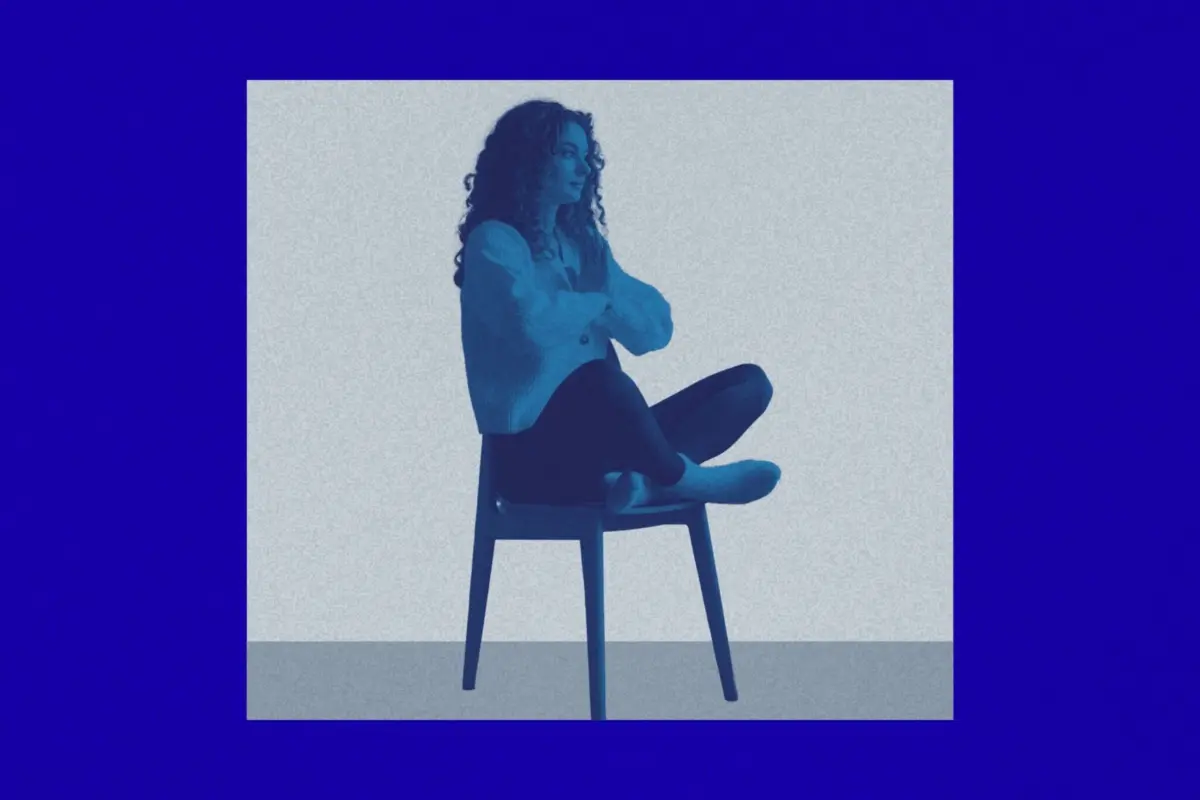
At first glance, chair yoga might seem like a workout reserved exclusively for older adults with mobility issues. The gentle, accessible workout offers a modified take on the ancient movement and meditation practice, usually performed entirely from a seated position. No one is asked to climb down onto the floor, get back up from the ground, or independently hold themselves upright in tricky, strenuous standing postures. This inherent design makes it an ideal option for individuals with limited strength or balance who might otherwise find traditional yoga classes intimidating or physically out of reach.
However, fitness and movement experts emphasize that chair yoga should not be pigeonholed or dismissed as a lesser form of exercise. In reality, practitioners argue that anyone—regardless of age, athletic background, or physical capability—can benefit significantly from incorporating it into their routine.
"It is a practice that meets you where you are," says Divya Balakrishnan, a yoga instructor in New York City. "You’re still using your strength and flexibility, just in other ways."
What Is Chair Yoga?
The practice of adapting yoga for a chair has roots that date back several decades. A yoga teacher named Lakshmi Voelker first began modifying traditional yoga poses to be performed using a chair in 1982, motivated by a desire to make the practice accessible for a student struggling with arthritis. In the years since that initial adaptation, numerous instructors around the world have found innovative ways to use a chair for modified versions of a surprising number of traditional yoga movements. These include lunging warrior poses, seated twists, and even adapted versions of standing-to-lying sun salutations.
While students in traditional yoga classes typically crouch, sit, and lie down on a mat spread across the floor, the chair effectively brings the floor closer to the practitioner. Some chair yoga classes are conducted entirely while seated, moving smoothly through modified variations of classic yoga sequences without ever asking participants to rise. Other classes feature dynamic transitions between sitting and standing, utilizing the back of the chair for a little extra stability and help with balance, or performing postures like downward-facing dog with the hands planted firmly on the seat instead of reaching all the way down to the floor.
In many ways, the chair functions simply as another yoga prop, much like a block or a strap.
"Just like you would use a strap or blocks to increase the accessible range of motion or bring different awareness to the body, the chair can be used in a similar way," says Jessica Pate, a Boston-based yoga teacher.
Far from being limited to beginners or those with physical limitations, experienced yogis also frequently utilize chairs for advanced athletic feats that would be virtually impossible to achieve on a mat alone. In particular, the Iyengar style of yoga makes specialized use of a sturdy yoga chair—designed distinctively with an open back and a completely flat seat—for advanced postures. These include complex upside-down inversions where a yogi’s shoulders rest comfortably on two chairs while their head hangs freely suspended in the space between them.
"There’s an infinite number of ways that you can use the chair," says Jules Mitchell, a Las Vegas–based yoga educator.
The Health Benefits of Chair Yoga
Scientific research examining the physical benefits of seated chair yoga has yielded promising results. Studies indicate that practitioners tend to improve their overall functional fitness while experiencing a noticeable decrease in how much physical pain interferes with their daily life and routine activities. However, much of that academic research has historically focused on older adult populations, who generally possess a lower baseline of physical fitness compared to younger, healthy adults. Because of this focus, experts note that people who are already in peak physical shape are unlikely to see the exact same magnitude of cardiovascular or muscular benefit.
"You’re not challenging your muscles or your balance as much as traditional yoga," says Justin Smith, an assistant professor at Wichita State University who recently co-authored a case series examining the physical and mental benefits of chair yoga.
Yet, experts quickly point out that this limitation does not mean chair yoga is a waste of time for more athletic individuals or seasoned fitness enthusiasts.
For experienced yogis, transitioning a practice to a chair can offer entirely new ways to explore familiar movements and deepen body awareness, according to Pate, who incorporates a chair into many of her regular, multi-level yoga classes. By sitting down, the body’s weight gets distributed differently across the seat and floor. This alternative weight distribution forces the muscles to engage in novel ways, bringing a fresh and unexpected awareness to the body during familiar sequences.
"For example, with Warrior 2, having the chair underneath my pelvis, I’m able to feel where my sit bones are," Pate explains. This tactile feedback can help practitioners better recognize subtle imbalances in their alignment, such as whether their hips are twisted or improperly tilted.
Although most people operate under the assumption that sitting makes every physical exercise easier, experts say that is not always the case. Sometimes, the physical challenge simply changes character rather than diminishing entirely. Pate notes that she actually feels her outer hips working significantly harder in a seated Warrior 2 pose on a chair than she does when standing in the traditional version. This happens because the chair forces her into a more neutral postural alignment, preventing larger, dominant muscle groups from automatically taking over and compensating for weak stabilizers.
Sitting on a chair can also occasionally help practitioners go deeper into targeted stretches than they might achieve on a mat. Consider a Figure 4 pose, for instance, where one ankle rests over the opposite knee while the practitioner hinges and bends forward to stretch the glutes and hips. When performed from a seated position, the individual is able to focus entirely on the quality of the stretch because they are not simultaneously struggling to maintain their balance on one foot.
"If I was doing a standing Figure 4, half of my attention is going to be on the standing foot and keeping myself upright, so I may not sit as deep," Balakrishnan notes.
The same principle applies to breathwork and meditation. Pate points out that the physical support provided by the chair makes it much easier for students to focus on breathing deeply and intentionally—a crucial element of the practice that many participants tend to forget once the physical poses become demanding and require intense concentration.
One demographic that may benefit particularly from the rise of chair yoga is the modern workforce, specifically individuals who find themselves stuck sitting hunched in front of a computer screen for hours on end every day.
"For anyone who works at a desk, it is a lifesaver," Balakrishnan says.
A simple, short seated yoga routine can effectively relieve tight, achy joints and relieve physical tension built up over hours of sedentary work. Furthermore, multiple scientific studies have demonstrated that chair yoga can significantly reduce psychological stress and anxiety levels.
Balakrishnan regularly incorporates short yoga breaks directly from her office chair during the workday, performing simple neck rolls, gentle spinal twists, or whatever else her body is craving. These micro-breaks allow her to reintroduce movement and mindfulness into her day without feeling the pressure to stop working, pack a gym bag, and carve out significant time for a full-length yoga session.
"You don’t have that mental barrier of, ‘Okay, let me get out of my chair, go roll out my yoga mat, go get my blocks,’" she says. "It requires less of you to begin the practice."
There is also a much simpler, highly practical reason to engage in seated chair yoga: it quite simply feels good. The low-key, accessible movement helps stretch out tense, overworked muscles and promotes healthy blood circulation throughout the body, all without the pressure of performing a strenuous workout designed to impress onlookers. Smith notes that all the participants involved in his research case series expressed incredible enthusiasm for their assigned routines.
"You can tell that they really just love chair yoga," he says.
While seated chair yoga may not build Olympic-level strength, raw power, or extreme agility, movement professionals agree that the practice still holds an abundance of value to offer people of every age and fitness level.
"We all can benefit from calming down, observing our sensations in our body, and getting in a little bit of stretching," Mitchell concludes.








No comments yet. Be the first to join the conversation!