
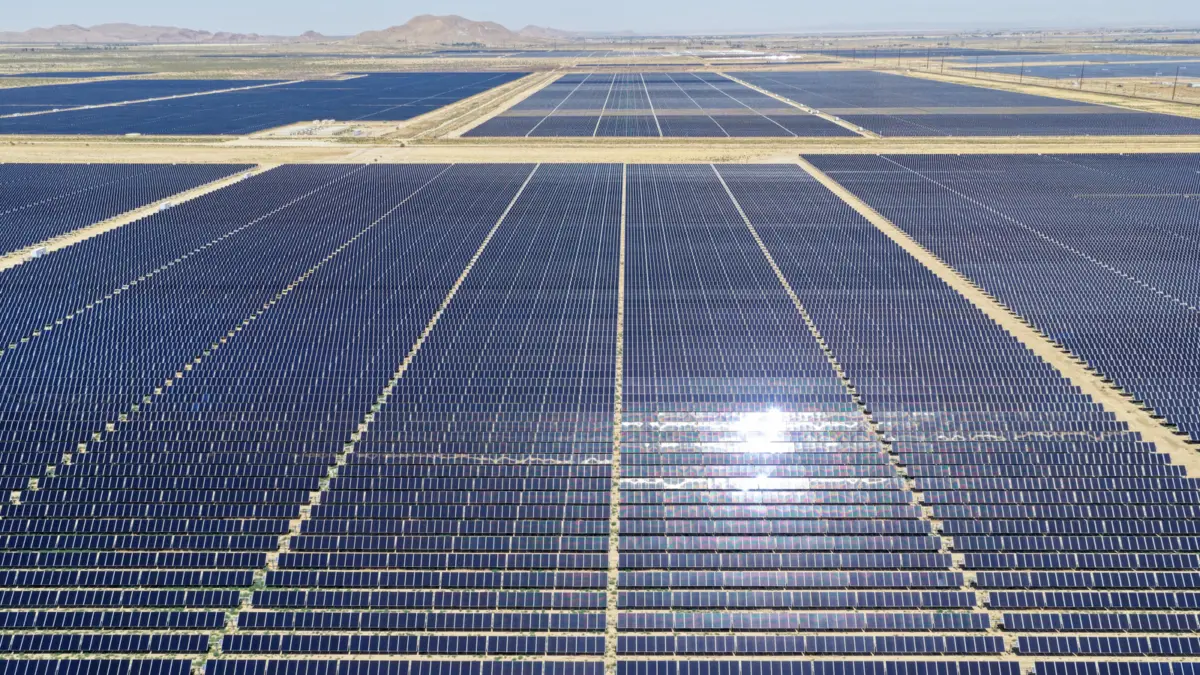
There is a pervasive cultural tendency to treat climate change as an irreversible tragedy, an unfolding disaster where doom is perpetually just around the corner and the Earth is destined to become a depleted wasteland within a generation or two. It is an understandable fatalism. The daily news cycle frequently reinforces this bleak outlook: ice caps continue to melt, sea levels steadily rise, and extreme weather events intensify with alarming regularity. The physical infrastructure of modern civilization is already buckling under the strain, with annual heat waves warping asphalt roads and thermal expansion cracking highway bridges.
Yet, beneath the surface of this gloomy macro-narrative, quiet and powerful forces of hope have begun to emerge, breaking through the concrete constraints of traditional energy economics. A monumental, worldwide boom in solar power is rapidly transforming the financial and technical realities of transitioning the global electrical grid. This acceleration is simultaneously acting as a catalyst for the broader adoption of electric vehicles. Analysts suggest that humanity is rapidly approaching a critical tipping point—a moment where photons harvested directly from the Sun will move more electrons across the Earth than the burning of ancient fossil fuels. Remarkably, this transition is arriving far sooner than previously anticipated. While global salvation is not guaranteed overnight, these developments offer a foundation for genuine optimism that avoids the trap of blind faith.
This unprecedented solar boom caught much of the world by surprise, primarily because of its sheer velocity. To understand the scale of this acceleration, one must examine the historical timeline of deployment. The entire global economy took decades to reach a combined output of 100 gigawatts of solar power, a milestone achieved in 2012. Scaling that capacity up to a full terawatt required another decade of heavy investment and manufacturing scale-up. However, doubling that figure to 2 terawatts happened in just three subsequent years, and crossing the 3-terawatt threshold took less than two years. This trajectory represents textbook exponential growth in renewable electricity generation, and current indicators show zero signs of deceleration. Industry projections now estimate that global solar capacity will approach 9 terawatts by the year 2036.
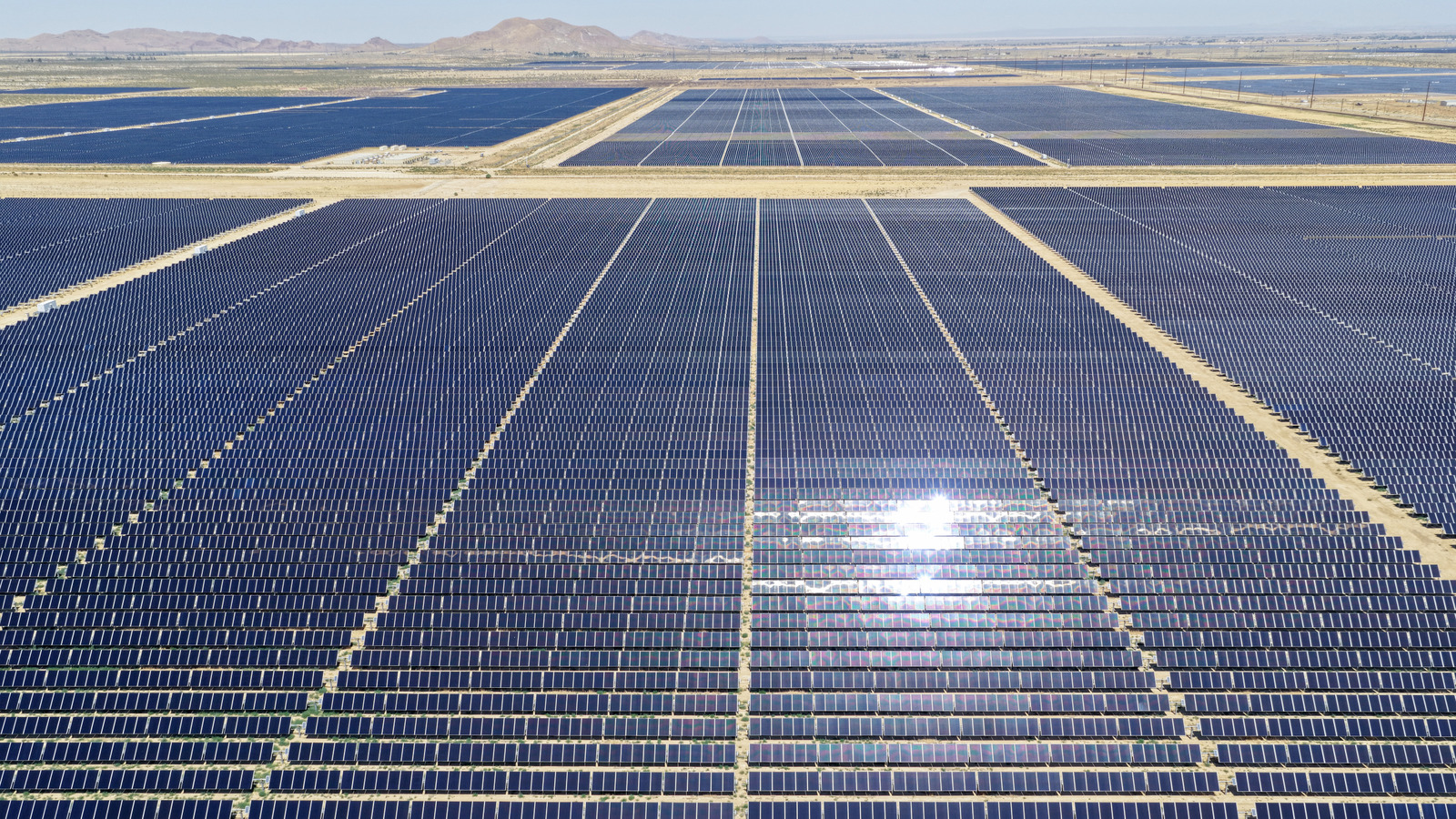
This international momentum persists even in regions experiencing significant political headwinds. In the United States, where federal policies under the current administration have faced criticism for stalling or outright canceling approximately $83 billion in clean energy investments, domestic solar deployment has stubbornly refused to slow down. Confronting unrelenting policy friction from Washington, utility-scale solar and battery storage systems accounted for an astounding 91 percent of all new electrical grid capacity added in the first quarter of the year. Over the preceding five-year window, more solar capacity has been brought online than any other generation technology.
Milestones are falling at a historic pace. In May, domestic solar generation officially eclipsed coal-fired power in total monthly output for the first time in national history. Crucially, this is not merely a phenomenon confined to traditionally progressive coastal states. On March 14, the state of Texas derived an astonishing 79 percent of its electricity from renewable sources. In a reflection of changing energy landscapes, Texas officially surpassed California in utility-scale solar output.
The Power of the Sun Keeps Us Moving On
The primary superpower driving the solar revolution is remarkably simple: it is exceptionally cheap. While that economic advantage was not always the case during the nascent stages of photovoltaic technology, the financial calculus has fundamentally inverted. Today, constructing a brand-new utility-scale solar farm is routinely less expensive than building a comparable fossil fuel power plant from scratch.
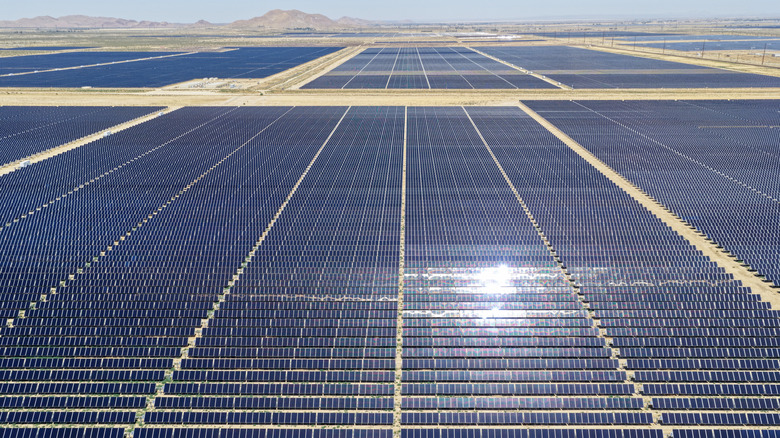
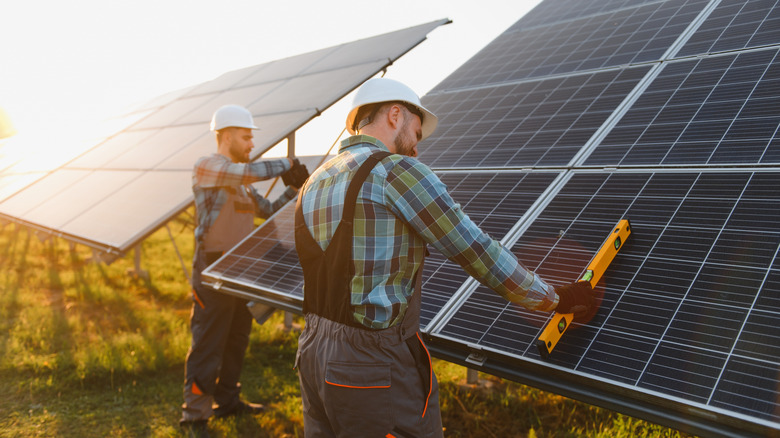
Beyond purely financial considerations, solar installations possess a massive logistical advantage. Solar farms can be designed, permitted, and constructed in a fraction of the time required to bring traditional fossil fuel generation facilities online, which often languish in development pipelines for years. When energy planners face a choice between a rapid, inexpensive, and environmentally clean generation method like solar, and alternatives that require extensive fuel extraction and prolonged construction schedules, the pragmatic choice becomes increasingly obvious. Global markets are rendering their verdict: since 2020, more than 75 percent of all new power capacity added worldwide has been renewable, with solar and wind standing as the fastest-growing energy technologies in human history.
The tangible results of this shift are becoming impossible to ignore. During the summer months, the entire European Union generated 25 percent of its total electricity consumption directly from solar power. In other regions, production has scaled to such heights that administrative models are being forced to adapt. Last year, three Australian states implemented programs providing consumers with completely free electricity during peak midday generation hours. Notably, this surplus energy was not entirely the product of massive corporate solar farms, but rather the cumulative output of decentralized, privately owned rooftop solar panels pushing excess electrons back into the public grid.
Storing the Sun for Later
Regardless of legislative efforts surrounding daylight saving time, the sun inevitably sets. Historically, intermittency served as solar power’s primary technical vulnerability. Photovoltaic generation reached its apex at noon, tapered off through the afternoon, and plummeted to zero after dark. Seasonal variations during winter or prolonged cloudy spells further complicated the narrative, leading critics to argue that traditional baseload fossil fuel plants remained indispensable to prevent widespread blackouts.
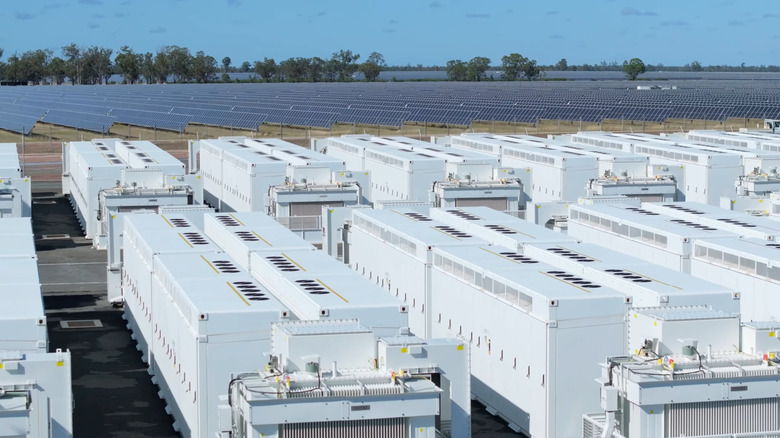
However, the rapid advancement of grid-scale battery storage has neutralized this argument. Modern utility-scale batteries, which often resemble industrial shipping containers, represent one of the quiet triumphs of contemporary engineering. These systems absorb excess midday electricity and discharge it during peak demand hours. Over the last five years, manufacturing and deployment have surged to unprecedented levels, with China alone constructing enough solar-linked battery storage capacity to power the combined economies of California and Texas for an entire full day.
As manufacturing volumes scale, battery costs continue to drop, creating a self-reinforcing feedback loop: cheaper storage makes solar more reliable, reliability drives higher adoption, and higher adoption fuels further manufacturing economies of scale. The practical impact of this technology was demonstrated when California utility batteries successfully discharged 13 gigawatts of power into the grid—an amount equivalent to the total electricity consumption of New York City during a sweltering summer afternoon. Once notorious for vulnerability to rolling blackouts, the state navigated its hottest August on record without issuing a single emergency flex alert, entirely supported by its newly minted storage infrastructure.
From the Sun to the Strait
Geopolitical conflicts are accelerating these structural energy shifts. Instability and warfare in regions such as Iran have driven international oil prices sharply upward, producing profound ripple effects across global supply chains. Southeast Asia has swung aggressively toward renewable energy policies as a direct strategic response, prioritizing the rapid buildout of solar infrastructure to insulate domestic economies from fossil fuel market volatility. Meanwhile, the European Union’s reliance on solar power for a quarter of its energy mix has insulated member states from billions of dollars in exorbitant natural gas surcharges.
Faced with volatile fuel prices at retail pumps and mounting utility bills, individual consumers and corporate entities alike are increasingly turning toward electrified transportation and decentralized power generation. Combined, these geopolitical pressures and economic realities are accelerating the anticipated peak of global oil consumption, moving projections forward by three full years from 2029 to the present year. Humanity may currently be living through the precise historical apex of fossil fuel consumption. From this point forward, the absolute volume of fossil fuels burned globally is projected to decline, with the resulting energy deficit filled primarily by solar power and complementary renewables. Global carbon emissions have already dipped as supply disruptions ripple through key maritime corridors like the Strait of Hormuz, and prolonged conflict threatens to permanently alter the timeline of the global energy transition.
None of these milestones suggest that the climate crisis has been entirely averted, nor do they diminish the necessity for continued public advocacy and pressure on elected officials to prioritize environmental protections. However, public discourse has often lagged behind the astonishing velocity of technological advancements in solar generation and grid storage. These systems are now positioned to supply a dominant percentage of the world’s electricity in the immediate future, achieving these milestones despite political headwinds in major economies. Within these shifting market dynamics lies a substantive basis for cautious, pragmatic optimism about the trajectory of the global energy grid.











No comments yet. Be the first to join the conversation!