
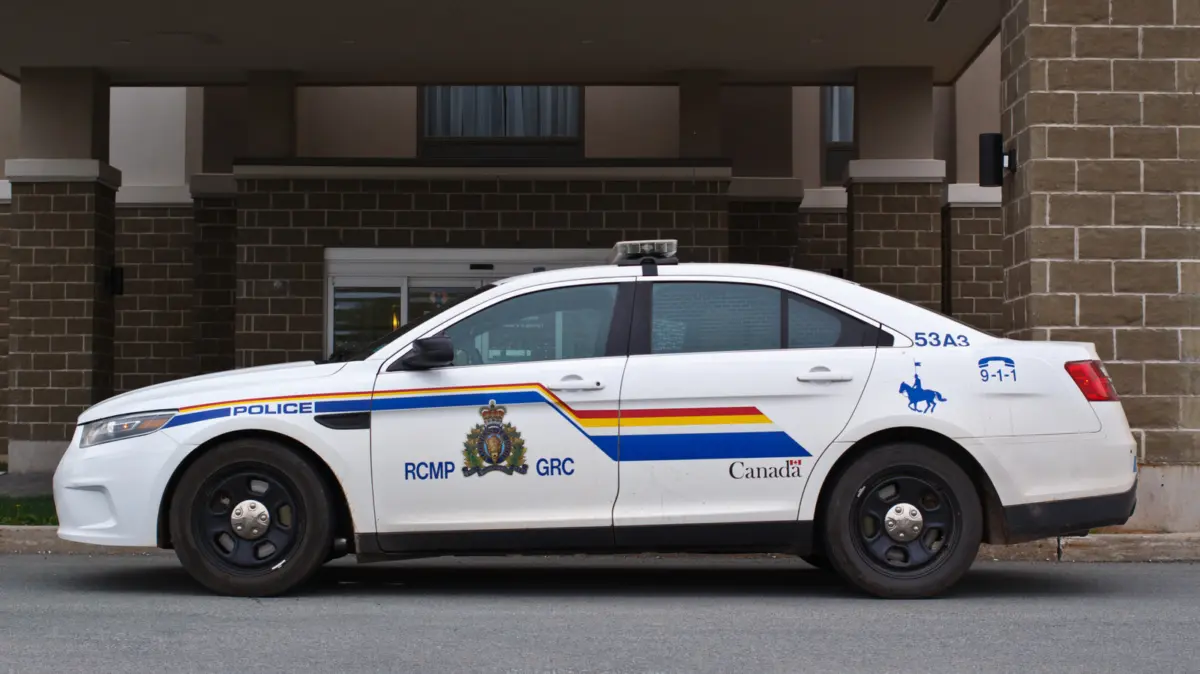
Among car enthusiasts and budget-conscious drivers alike, purchasing a retired police cruiser has long been recognized as a practical automotive hack. These vehicles offer a unique combination of heavy-duty reliability, robust mechanical upgrades, and surprisingly affordable price tags. However, across Canada, the country’s federal law enforcement agency has been systematically sending its decommissioned patrol cars straight to the crusher instead of releasing them to public auctions. While this policy has drawn increasing frustration from taxpayers and automotive circles alike, the driving force behind the protocol stems from a dark and tragic chapter in Canadian history that forever changed how law enforcement equipment is handled.
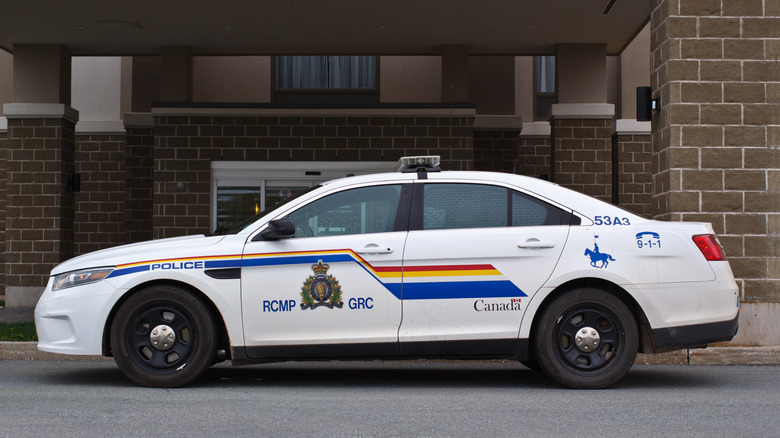
The roots of this sweeping nationwide policy trace back to a devastating mass shooting in Nova Scotia in April 2020. Over the course of two days, a 51-year-old gunman carried out a horrific rampage across multiple communities, ultimately taking the lives of 22 people and injuring three others before he was shot and killed by responding law enforcement officers. What shocked the nation just as deeply as the scale of the violence was the method the perpetrator used to deceive his victims and move undetected through police cordons. The attacker had dressed in full uniform and driven a decommissioned Ford Taurus police car that he had acquired through a public auction. He had meticulously modified the retired vehicle to precisely resemble an active, on-duty cruiser belonging to the Royal Canadian Mounted Police, commonly known as the RCMP.
In the immediate wake of the national tragedy, the federal government moved quickly to reevaluate the security risks associated with decommissioned government property. In January of the following year, Canada’s public safety minister at the time, Bill Blair, formally announced a nationwide suspension on the sale and public auction of all decommissioned RCMP vehicles.
Outlining the government’s stance in a public statement, Blair explained that the moratorium was instituted to allow federal authorities time to review existing protocols. "During this moratorium, the Government of Canada and the RCMP will examine the policies that are currently in place and work towards long-term solutions that further ensures these vehicles are not improperly outfitted or otherwise misused," Blair said at the time. He also emphasized that while it remains strictly illegal for any private citizen to impersonate a law enforcement officer, the government felt compelled to take every possible preventative measure to stop such catastrophic crimes from ever happening again.
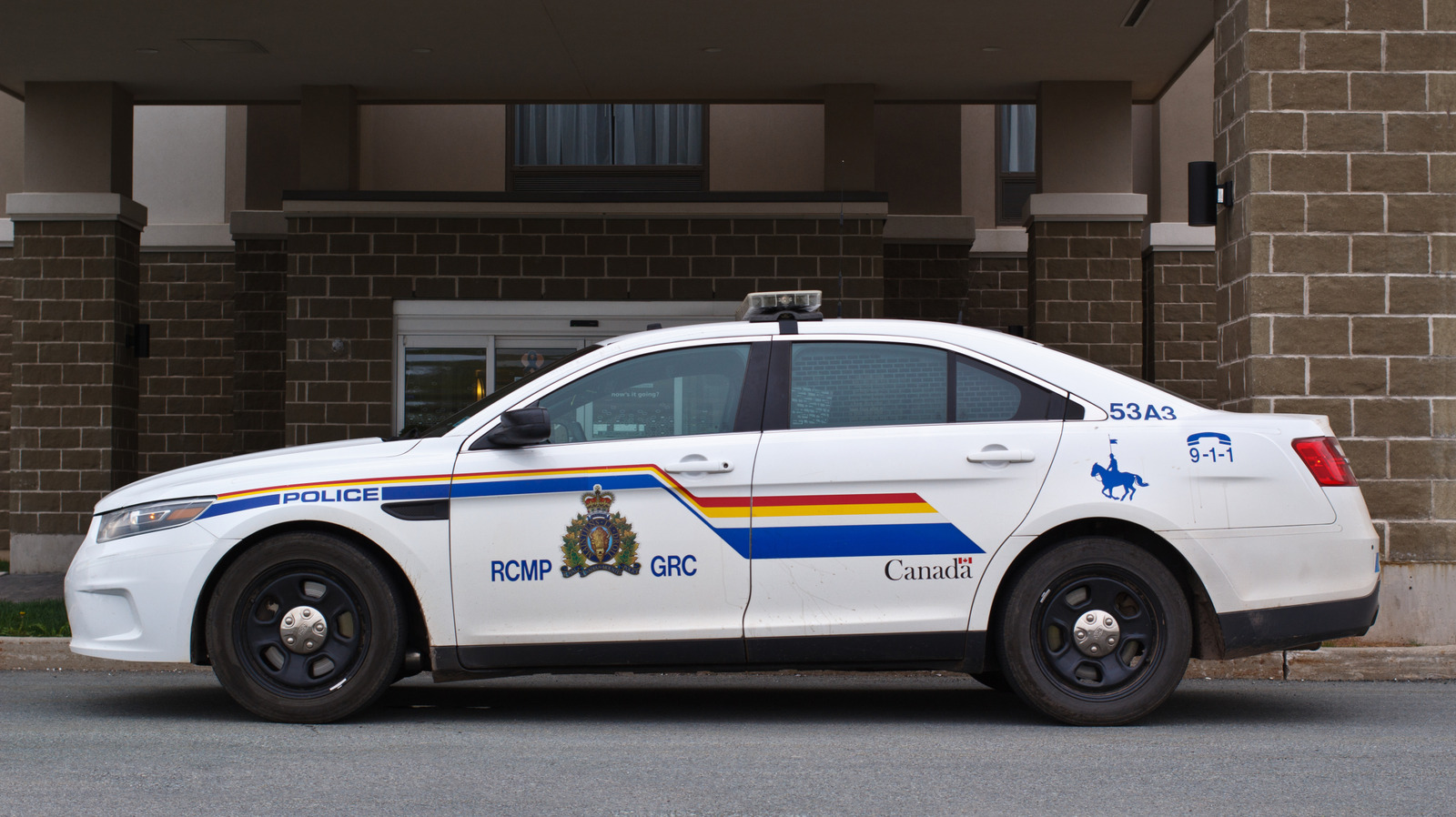
Millions of dollars per year
Years after the initial implementation of the policy, the fallout continues to spark intense debate regarding fiscal responsibility and resource management. According to reports from Global News, the RCMP was still actively destroying police vehicles that it no longer needed as of early 2025. While subsequent public safety leadership, including minister David McGuinty, hinted at potentially relaxing the ban for specific off-road equipment like all-terrain vehicles, the directive remained steadfast for standard police cruisers, SUVs, and utility trucks. As of September 2026, the strict moratorium remains firmly in place, according to findings published by the Investigative Journalism Foundation.
The operational scale of the federal police force magnifies the financial impact of the ongoing policy. The RCMP operates what is widely considered the largest law enforcement vehicle fleet in all of North America, managing a massive inventory of roughly 12,000 active vehicles. Out of that total fleet, approximately 1,600 vehicles reach the end of their service life and are retired every single year.
Before the federal government instituted the emergency ban, the RCMP successfully recouped between $6 million and $8 million annually by auctioning off its retired fleet to the public, according to a regional director speaking for the Canadian Taxpayers Federation. Furthermore, substantial public funds are currently being redirected toward holding and securing the decommissioned equipment while it awaits destruction. Storage fees alone are estimated to cost taxpayers more than $1 million every year. Critics argue that this ongoing expenditure represents an inefficient use of public funds at a time when government budgets face continuous scrutiny. "Taxpayers can’t keep paying for this and we can’t just keep crushing cars when they could be sold," the Federation director told Global News.
Investigative visits to government storage lots have further intensified the public debate. When reporters from Global News toured an RCMP holding facility in Manitoba, they discovered that a significant portion of the vehicles destined for the crusher were barely used. The lot contained late-model boats, utility SUVs, all-terrain vehicles, and snowmachines tagged with low-use service indicators. Most notably, the inspection revealed an unmarked Ford Econoline transport van with a mere 18,600 miles, or approximately 30,000 kilometers, registered on its odometer. Critics suggest that even if complete, marked patrol cars are deemed too dangerous to release into civilian hands, the agency could at least strip and sell low-mileage engines and specialized components to partially offset the immense financial losses.
The police don’t like it either
An unusual dynamic in the ongoing controversy is that the RCMP itself is not the governing body that mandated the vehicle crushing policy. The federal law enforcement agency has repeatedly petitioned the government to lift or modify the ban, noting that the storage mandates create logistical bottlenecks that disrupt daily police operations.
Keeping retired cruisers in limbo rather than promptly liquidating them creates cascading delays when regional detachments attempt to integrate newly purchased vehicles into active service. The agency highlighted these operational hurdles in an official statement provided to Global News. "Day-to-day fleet operations are affected as stored vehicles cause a disruption to the flow and timeliness of the vehicle up-fit process due to the lack of space and pressure on existing resources as the vehicles need to be shuttled to off-site storage facilities," the RCMP explained. They added that both factors directly impact the timely replacement of aging vehicles used in critical policing operations across the country. Meanwhile, Public Safety Canada, the bureaucratic entity that originally ordered the moratorium, has consistently deferred all media inquiries regarding the policy back to the RCMP.
The political figure who originally enacted the ban, former Public Safety Minister Bill Blair, possesses a uniquely extensive background in both municipal law enforcement and federal politics. Blair spent four decades as a member of the Toronto Police Service, culminating in a decade-long tenure as the city’s police chief, a role in which he managed high-profile public controversies, including the widely publicized drug video scandal involving former Toronto Mayor Rob Ford.
Following his retirement from policing, Blair transitioned directly into federal politics. He was elected as a Member of Parliament for the Liberal Party in 2015, appointed as the minister of public safety in 2019, later served as the minister of national defence, and eventually took on a diplomatic role as Canada’s high commissioner to the United Kingdom. It represents a remarkable career arc for an individual who began his professional life investigating street-level drug crimes in Ontario.
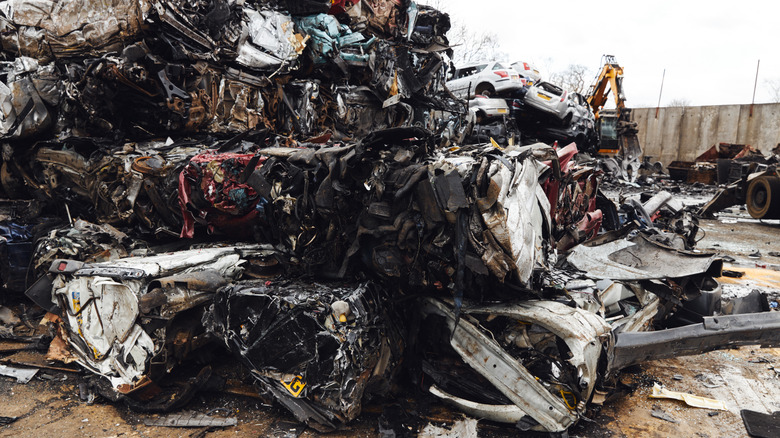
In the immediate aftermath of the profound tragedy in Nova Scotia, shutting down RCMP vehicle auctions served as an understandable, prudent, and sensitive emergency response. Yet, six years later, with millions of taxpayer dollars spent on storage fees and a continuous stream of perfectly functional utility vehicles being systematically destroyed, questions persist regarding whether a more balanced, less wasteful long-term solution can be found.










No comments yet. Be the first to join the conversation!