
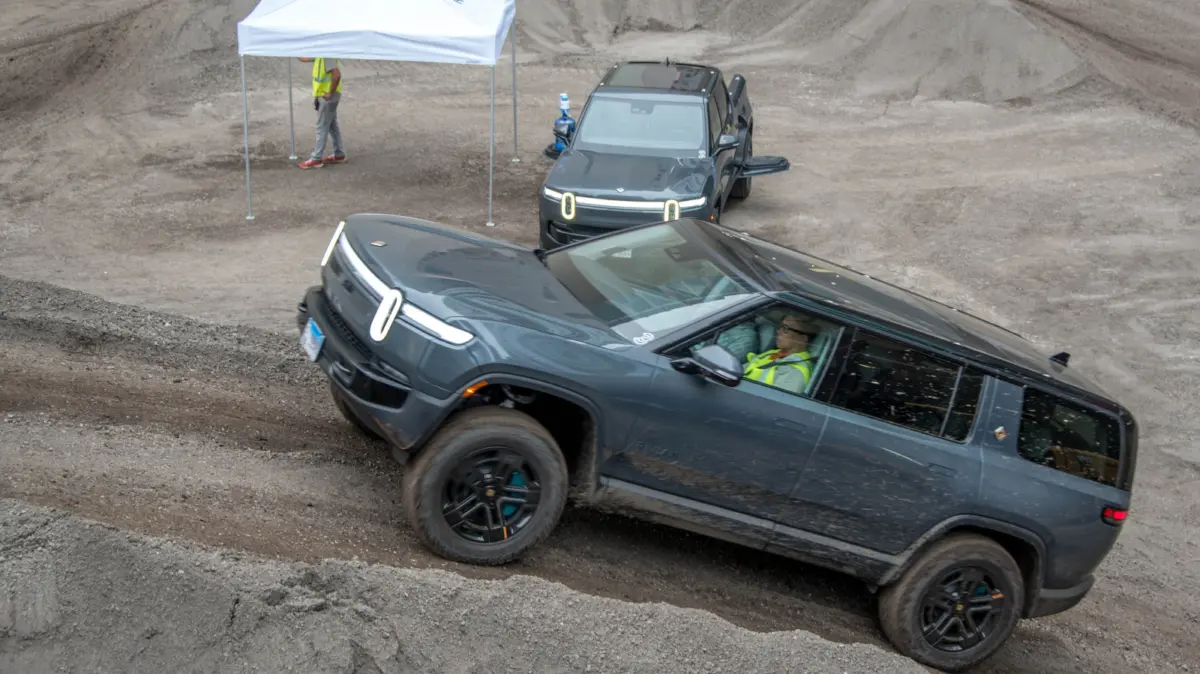
For decades, one of the most enduring debates among off-road enthusiasts has centered on whether gasoline- or diesel-powered trucks make for the superior trail machine. While proponents of both internal combustion engine types can point to plenty of valid reasons to run their preferred fuel on favorite weekend tracks, traditionalists now face an entirely new contender on the horizon. The new kids on the block are electric SUVs boasting serious, factory-backed off-road capabilities.
It might have once seemed inconceivable that a battery-electric vehicle could approach the performance of established off-road all-stars like the Toyota Tundra, the Subaru Forester Wilderness, or even heavy-hitting luxury platforms like the Mercedes-Benz G-Class. However, the introduction of vehicles like the Rivian R1S and R1T in 2021 fundamentally disrupted the conversation. Modern electric vehicles are not only remarkably capable on paved surfaces; they can also be engineered and tuned for impressive rock crawling, bringing significant performance advantages over their internal combustion counterparts. Many electric models offer exceptional baseline ground clearance and rely on fewer pieces of specialized mechanical gear to excel on demanding wilderness trails.
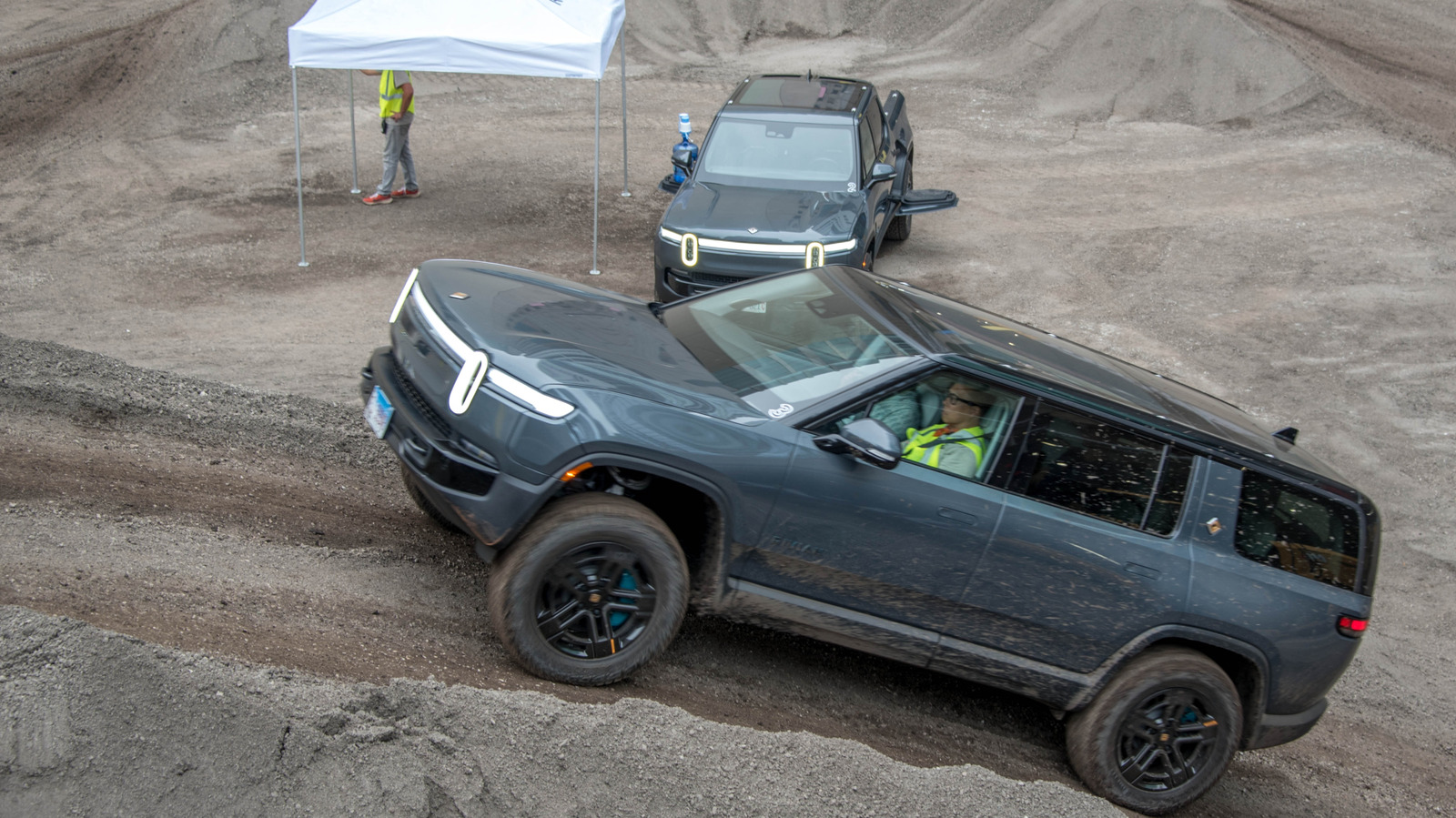
That is not to suggest that gas- and diesel-powered SUVs are now obsolete. Far from it. Traditional rigs retain distinct advantages, with driving range remaining at the forefront of any serious off-road discussion. Yet, it is no longer simple for traditional combustion vehicles to claim absolute supremacy over the outdoors. As automotive engineering advances and battery technology continues to evolve, the historical dominance of gas and diesel rigs faces a genuine challenge.
Pro: EV Drivetrains Are a Game Changer
When navigating stretches of trail marked by treacherous ruts, massive boulders, and loose dirt, drivers rarely conquer the rough simply by slamming the throttle and hoping for the best. Successfully negotiating challenging terrain requires care, patience, and, most importantly, torque—the rotational force a vehicle uses to turn its wheels.
In conventional internal combustion vehicles, a major part of the off-roading experience involves carefully managing gears to keep the engine revolutions per minute within a specific band ideal for generating maximum torque. This task is rarely easy, and getting it wrong can easily result in getting stuck or breaking mechanical components. Electric vehicles, however, eliminate the need for careful RPM management, transfer case switch-flipping, or finely honed mechanical instincts to unlock constant maximum torque.
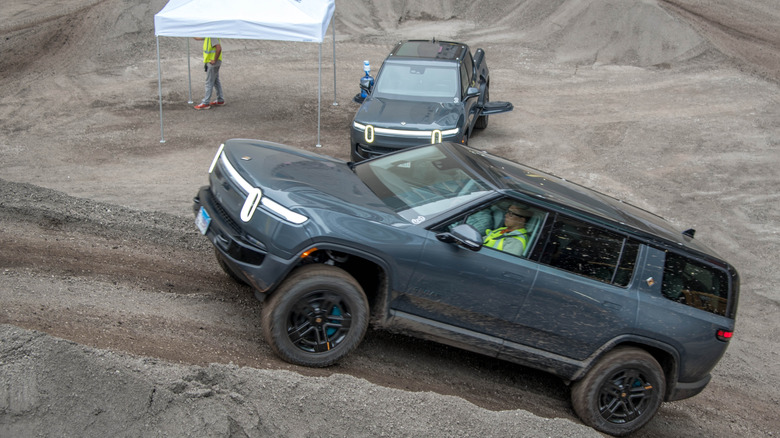
Because electric motors deliver maximum torque instantly from a dead stop without needing time to rev up, they provide immediate power delivery. This characteristic is precisely what yields their thrilling acceleration and turns models like the Rivian lineup into formidable off-roaders.
Complicated mechanisms that require an array of mechanical accessories on a traditional SUV—such as four-wheel low, four-wheel high, manual transfer cases, and mechanical locking differentials—are handled natively by electric motors. For example, the GMC Hummer EV utilizes a tri-motor drivetrain, while the Rivian R1 platform features a quad-motor setup. This configuration allows these SUVs to vector precise amounts of torque to individual wheels exactly when needed, unlocking massive crawling capabilities with far fewer moving parts. The end result is that electric vehicles possess all the power necessary right from a standstill, allowing them to navigate complicated terrain with striking ease.
Con: Hard Range Limits Could Ruin Your Day
A persistent sticking point for electric vehicles since their inception has been driving range. Automakers are constantly pursuing more efficient batteries and extended all-electric ranges. For daily commuting and standard driving, this hurdle is minor. Motorists who drive modest distances daily and possess access to a Level 2 home charger may rarely worry about energy levels. Out on a remote trail, however, the calculus changes entirely. There is no reliable way to top up a battery pack in the backcountry, and draining a battery to zero percentage miles away from civilization creates a serious predicament.
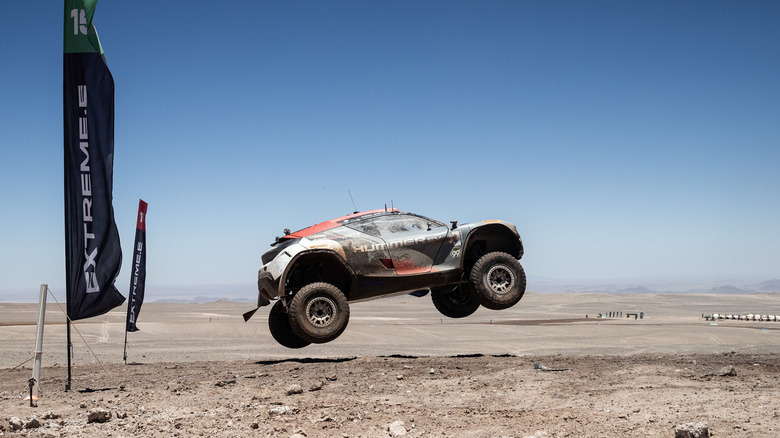
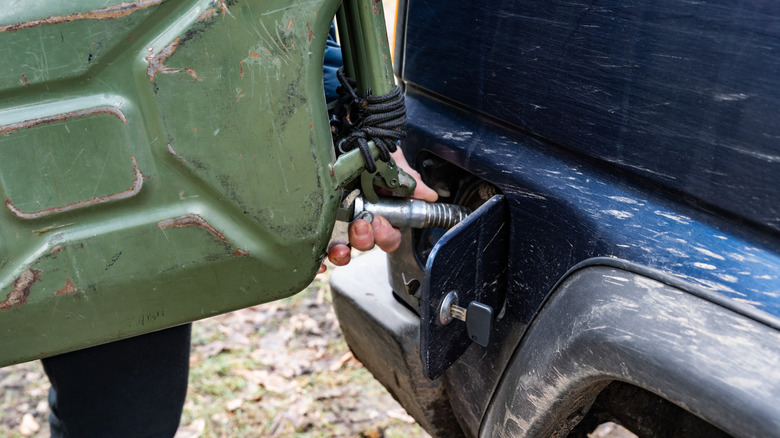
With a diesel- or gas-powered SUV, carrying a spare fuel container or two in the cargo area is a straightforward affair. This allows drivers to refuel on the go, extending their reach beyond the normal limits of a single tank. If an enthusiast pushes a bit too far into the wilderness, a backup fuel can provides enough reserve energy to reach the nearest fueling station or find assistance.
Electric vehicles offer no such convenient workaround. Hot-swapping large vehicle battery packs on the fly is not commercially viable for consumers, and there is no guarantee of finding appropriate, fast-charging infrastructure immediately after a demanding day on remote trails.
This reality places a hard ceiling on the distance an electric vehicle can safely cover on a backcountry route. Furthermore, motorists rarely arrive at a trailhead with a full, one-hundred-percent charge, particularly after driving hours on highways just to reach the wilderness. While this problem is not entirely insurmountable as charging networks expand, it remains a logistical factor that cannot be ignored.
Pro: There Is Simply Less to Break
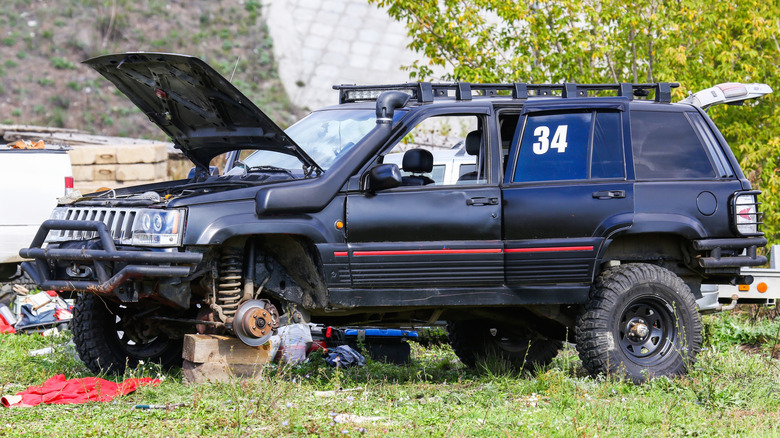
Although many of the most popular off-road vehicles originally began as military hardware before transitioning into civilian favorites, traditional internal combustion rigs are far from indestructible. In fact, gas-powered off-road vehicles require a high volume of specialized equipment to perform at their peak, and those intricate mechanical systems are prone to failure under the physical stress of trail driving.
By comparison, electric vehicles feature significantly fewer components susceptible to mechanical failure. EVs require very few fluids: there is no gasoline, engine oil, transmission fluid, or power steering fluid. Consequently, drivers face no risk of puncturing an oil pan on a stray boulder, severing fuel lines with trail debris, or suffering coolant leaks that lead to an overheated engine. Drivers can focus on the trail without constantly monitoring fluid levels or stopping to patch leaks in the middle of an excursion.
The same principle applies to traditional hardware such as locking differentials and complex transfer cases. Catching a mechanical differential on a rock and destroying the housing is largely a concern of the past in modern electric architectures. The flat underbelly of a dedicated electric SUV often provides generous ground clearance without exposing sensitive mechanical assemblies to direct impacts, though ground clearance alone does not dictate overall trail capability.
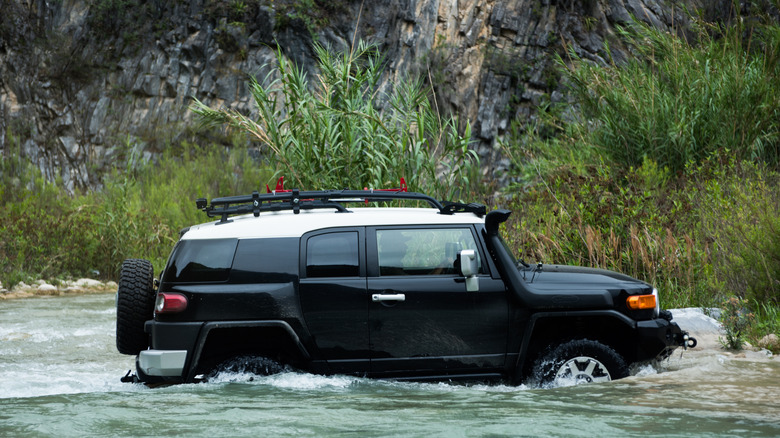
Dust and water intrusion also present fewer hazards due to the absence of a traditional air intake and complex moving parts. Drivers do not need to worry about clogging an air intake with fine dust or hydrolocking an engine during deep water crossings, because there is no internal combustion engine breathing air. While deep-water fording remains a task that requires caution in any vehicle, many electric SUVs handle water crossings smoothly.
Con: When EVs Break, They Break Big
While the risk of a critical mechanical failure in the drivetrain is lower due to fewer moving parts, electric vehicles are not invincible. When a problem does occur, the consequences tend to be severe. Whereas field repairs and improvised fixes are a standard part of the traditional off-road culture for owners of vehicles like the Jeep Wrangler Rubicon, electric vehicles are considerably more complex. An enthusiast might know how to patch a broken fuel line or carry spare mechanical parts for a traditional truck, but electric powertrains operate differently.
These advanced machines often require proprietary diagnostic software and specialized tools to identify faults. Common electrical repairs can take licensed technicians significantly longer to perform than equivalent mechanical fixes on older platforms, requiring specialized training to understand high-voltage architecture. Off-road enthusiasts simply do not have decades of accumulated roadside experience diagnosing and repairing heavy-duty electrical propulsion systems on the trail.
Another major consideration involves the high-voltage battery pack. Scraping the underside of a vehicle on rocks may avoid traditional mechanical damage, but it introduces the risk of impacting the protective housing of the battery. These large battery assemblies are expensive to replace if structurally compromised, and damaged lithium-ion cells carry the potential for thermal runaway events, creating massive and difficult-to-manage fires. While catastrophic battery fires are statistically uncommon during normal operations, the potential risk influences how some enthusiasts approach challenging, rock-heavy trails.
Pro: EVs Are Exceptionally Entertaining to Drive
Automotive enthusiasts across the spectrum recognize that electric vehicles offer dynamic driving characteristics. While some models feature insulated steering feedback and public charging still requires more time than pumping liquid fuel, the immediate throttle response, instantaneous torque delivery, and rapid acceleration remain compelling traits. On the trail, electric SUVs display a distinct character.
Rivian established a new precedent for the segment; prior to the introduction of the R1 platform, high-performance electric off-roading was largely theoretical. Current iterations feature high-output quad-motor configurations paired with sophisticated software calibrations that prioritize maneuverability over rough terrain. As manufacturers continue to refine subsequent generations of electric platforms, new models consistently enter the market with dedicated hardware upgrades.
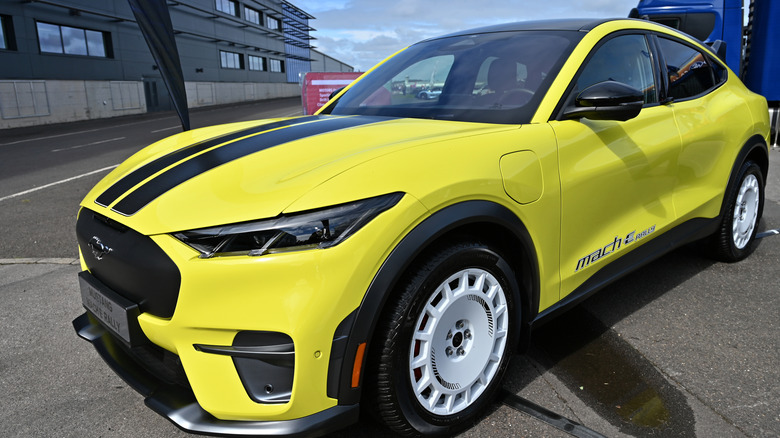
Off-road-focused electric SUVs can prove more intuitive for beginners to manage, while experienced drivers may appreciate the reduced cognitive load of not needing to constantly manage gears and engine speeds to maintain momentum. The linear delivery of power feels smooth, and the absence of traditional engine creep assists with precise low-speed maneuvers. As public and remote charging infrastructure continues to expand, electric vehicles are increasingly appearing on a wider variety of trails.
Con: High Prices Continue to Limit Accessibility
Affordability remains a central discussion point regarding electric vehicle adoption. EVs have historically commanded a significant price premium over internal combustion counterparts. Although that financial gap has narrowed somewhat in recent years, broader economic and regulatory shifts—such as changes to federal tax credits and corporate fuel economy standards—can influence pricing trends across the automotive market.
Regardless of future policy adjustments, the current market reality is that new electric vehicles remain less accessible to the average consumer, particularly buyers seeking dedicated off-road capability. For perspective, traditional internal combustion platforms offer lower entry prices, whereas specialized electric off-roaders command significantly higher MSRPs. High-end multi-motor electric sport utility vehicles require a substantial financial commitment before factoring in optional equipment. While these high-performance electric machines offer advanced engineering, their cost places them out of reach for many everyday enthusiasts.

International markets also introduce compelling alternatives, such as specialized overseas off-roaders featuring waterproof engineering and advanced navigation suites at lower price points, highlighting the differing cost structures of global automotive manufacturing.
Are EV Off-Roaders Worth It?
Ultimately, electric SUVs demonstrate impressive capabilities in off-road environments. While they are not poised to completely replace traditional gasoline and diesel rock crawlers in the immediate future, they have firmly established a permanent presence within off-road culture. As long as enthusiasts value immediate torque delivery and advanced traction management, electric SUVs will continue appearing on rugged trails.
For those curious about the technology, experiencing a high-end electric off-roader in a trail setting provides a clear demonstration of what modern battery-electric platforms can achieve. Whether that performance inspires drivers to transition away from traditional internal combustion engines or reinforces an appreciation for the mechanical rumble of a traditional powertrain depends entirely on individual driving preferences.










No comments yet. Be the first to join the conversation!