
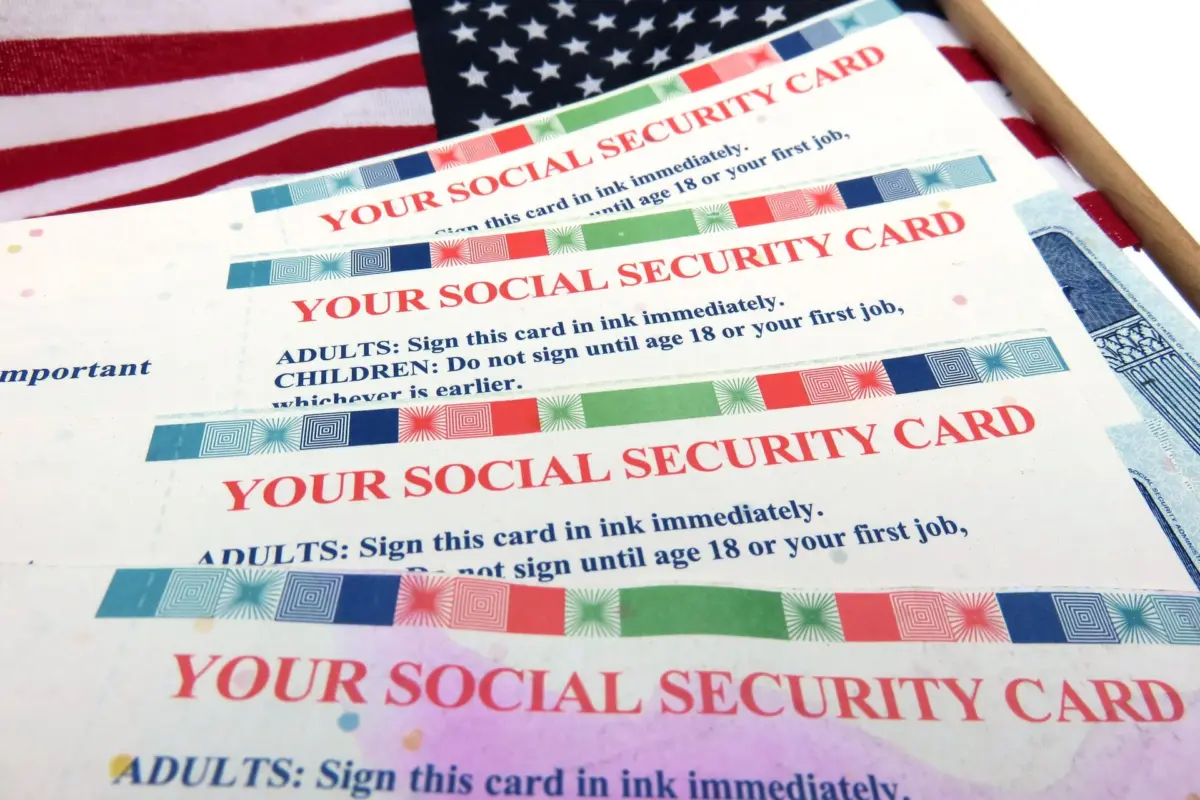
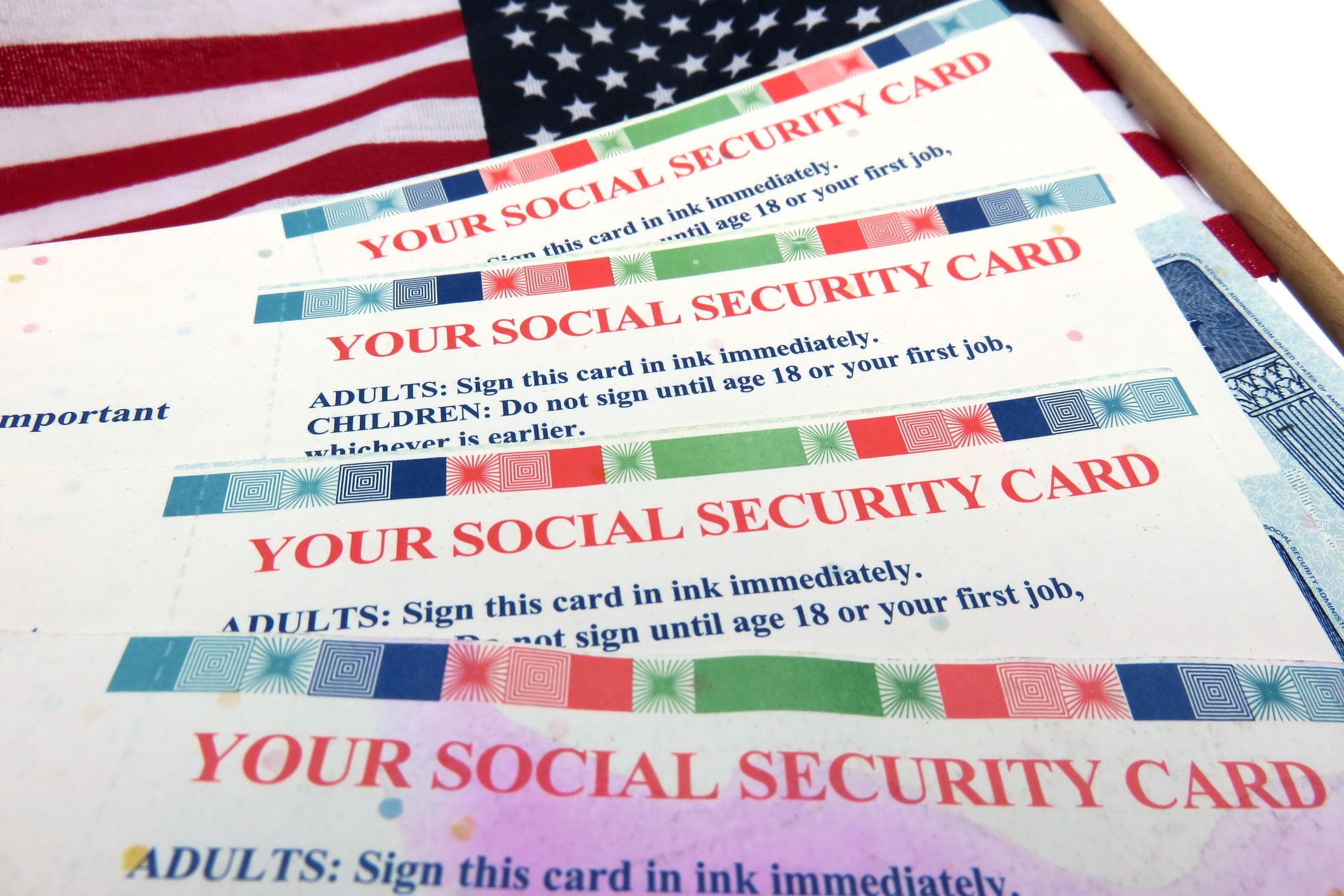
For most Americans, misplacing a Social Security card feels like a minor administrative inconvenience. Whether you are starting a new job, applying for government benefits, or updating your personal records, requesting a replacement card is a routine task that many people have navigated at least once in their lives. However, before heading online or visiting a local office to request a new copy, financial and legal experts advise that citizens should be well-acquainted with a specific federal regulation known as the "3-and-10" rule.
Under federal guidelines established by the Social Security Administration, there are strict limits on how many replacement cards an individual can receive. Specifically, the rules cap replacements at three cards per calendar year and a total of ten cards over the course of a lifetime. While the vast majority of citizens will never come anywhere near approaching these thresholds, reaching the cap without a clear understanding of how the system operates can leave unsuspecting individuals stranded precisely when they need a physical card the most.
Congress originally established these statutory limits not to penalize individuals who simply misplace a document, but rather as a crucial security measure to combat identity theft, prevent the illegal resale of Social Security cards, and deter various forms of fraud.
The Statutory Limits on Replacement Cards
The regulatory framework governing replacement cards has been in place for a little over two decades. As part of broader post-9/11 legislative packages, the Intelligence Reform and Terrorism Prevention Act of 2004 introduced formal restrictions on the issuance of replacement Social Security cards nationwide.
The official count for these restrictions applies to replacement cards issued on or after December 17, 2005. It is important to note that original Social Security card issuances—such as those assigned at birth or granted during the naturalization process for new citizens—do not count toward these lifetime or annual limits. Furthermore, the Social Security Administration accounts for several specific exceptions that ensure individuals experiencing unique circumstances are not unfairly penalized by the hard caps.
How the System Works and Other Exclusions from Caps
To enforce these regulations, the Social Security Administration tracks replacement requests automatically through its internal enumeration system, known as the Online Social Security Number Application Process, or SSNAP. Whenever a citizen submits an application for a new physical card, this digital system automatically reviews the individual’s card history before authorizing the printing and mailing of a replacement.
Despite the rigidity of the caps, the administration recognizes that certain administrative and life events necessitate the reissuance of cards without penalizing the applicant. Consequently, certain types of card issuances are entirely exempt from the three-per-year and ten-per-lifetime limits. These automatic exclusions ensure that updates driven by legal name changes, corrections to personal data, or administrative adjustments do not consume an individual’s valuable allotment of replacement cards.
Hardship Exceptions
Recognizing that extraordinary life circumstances can sometimes lead to an unusual frequency of lost documents, the Social Security Administration has established a pathway for individuals who manage to hit the strict thresholds. If an applicant reaches the limit of three cards in a single calendar year or ten cards over their lifetime, they are permitted to apply for a formal hardship exception.
To successfully secure an exception, the individual must provide verifiable documentation demonstrating that the complete lack of a physical card creates a significant, tangible risk or an insurmountable barrier to employment, healthcare, or essential government services. Common valid grounds for these exceptions typically involve documented cases of severe property loss, natural disasters, or other catastrophic events where personal belongings, including vital identity documents, were destroyed or stolen under extreme circumstances.
How Many People Apply for Replacements?
Official operational data published by the Social Security Administration indicates that hitting these statutory ceilings is exceedingly rare. Fewer than 0.1 per cent of all replacement card applicants ever reach the three-card yearly limit or the ten-card lifetime cap in any given year.
As an enterprise, the Social Security Administration issues approximately 10 million replacement Social Security cards annually. By way of comparison, the agency typically issues between 5.5 million and 6.9 million original Social Security numbers every year, a figure driven primarily by newborn enrollments and the integration of new immigrants into the workforce.
Replacement applications consistently represent the overwhelming majority of physical card transactions handled by the agency. According to the administration, these requests are typically the result of routine loss, accidental damage, or the necessity to update a legal name following marriage or divorce, rather than systemic card fatigue.
The physical cards themselves are manufactured using specially designed, pre-printed banknote paper—a security standard that has remained largely unchanged since 1983. These documents boast an impressive estimated lifespan that varies depending on how frequently the card is physically handled. Standard banknote paper Social Security cards are engineered to last for at least 50 years if kept safely stored with little to no physical handling. Meanwhile, cards that experience moderate use and occasional handling are still expected to endure for 35 to 50 years before showing signs of degradation.










No comments yet. Be the first to join the conversation!