
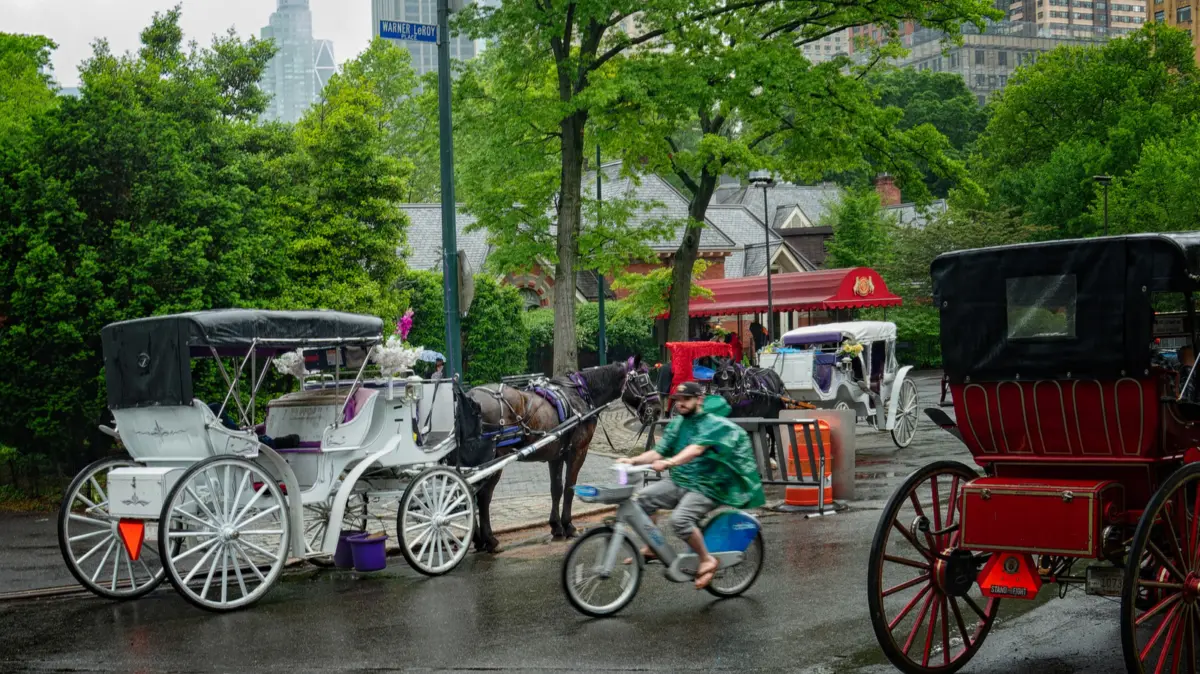
New York City has long been a cultural and political battleground, but for years, one of its most persistent and deeply felt debates has centered not on high-stakes municipal finance or sweeping federal policy, but on a much more traditional fixture of urban life: whether horse-drawn carriages should be allowed to operate within Central Park. Now, that decades-long debate is drawing to a definitive close. Under Mayor Zohran Mamdani and City Council leadership, the city is moving to enact a total ban on horse carriages in Central Park, bringing an end to an iconic yet increasingly controversial tourist tradition that has defined parts of Manhattan for generations.
The path to this impending ban has been fraught with tension, protests, and legislative friction. While recent momentum against the horse-drawn carriage industry was galvanized by the tragic death of a teenager earlier this year, the underlying conflict has simmered for decades. For years, animal welfare advocates, neighborhood residents, and city policymakers have argued against the practice of keeping draft horses in an environment as congested, loud, and unsuited to them as Manhattan. Critics have consistently pointed to the physical toll exacted on the animals by extreme weather conditions—ranging from sweltering summer heatwaves to freezing winter chills—as well as the day-to-day hazards of navigating dense urban traffic alongside cars, cyclists, and pedestrians.
Opponents of the industry have long maintained that a bustling metropolis of steel, asphalt, and concrete is fundamentally no place for working equines. While defenders of the tradition often emphasize its romantic, nostalgic appeal for tourists seeking a classic New York experience, a growing consensus among city lawmakers has shifted toward prioritizing animal welfare and modern urban safety. This shifting political tide ultimately found a powerful ally in Mayor Mamdani and City Council Speaker Julie Menin, who have thrown their full weight behind the legislative effort to clear the park’s pathways of carriages once and for all.
Mamdani Wants the Horses Gone
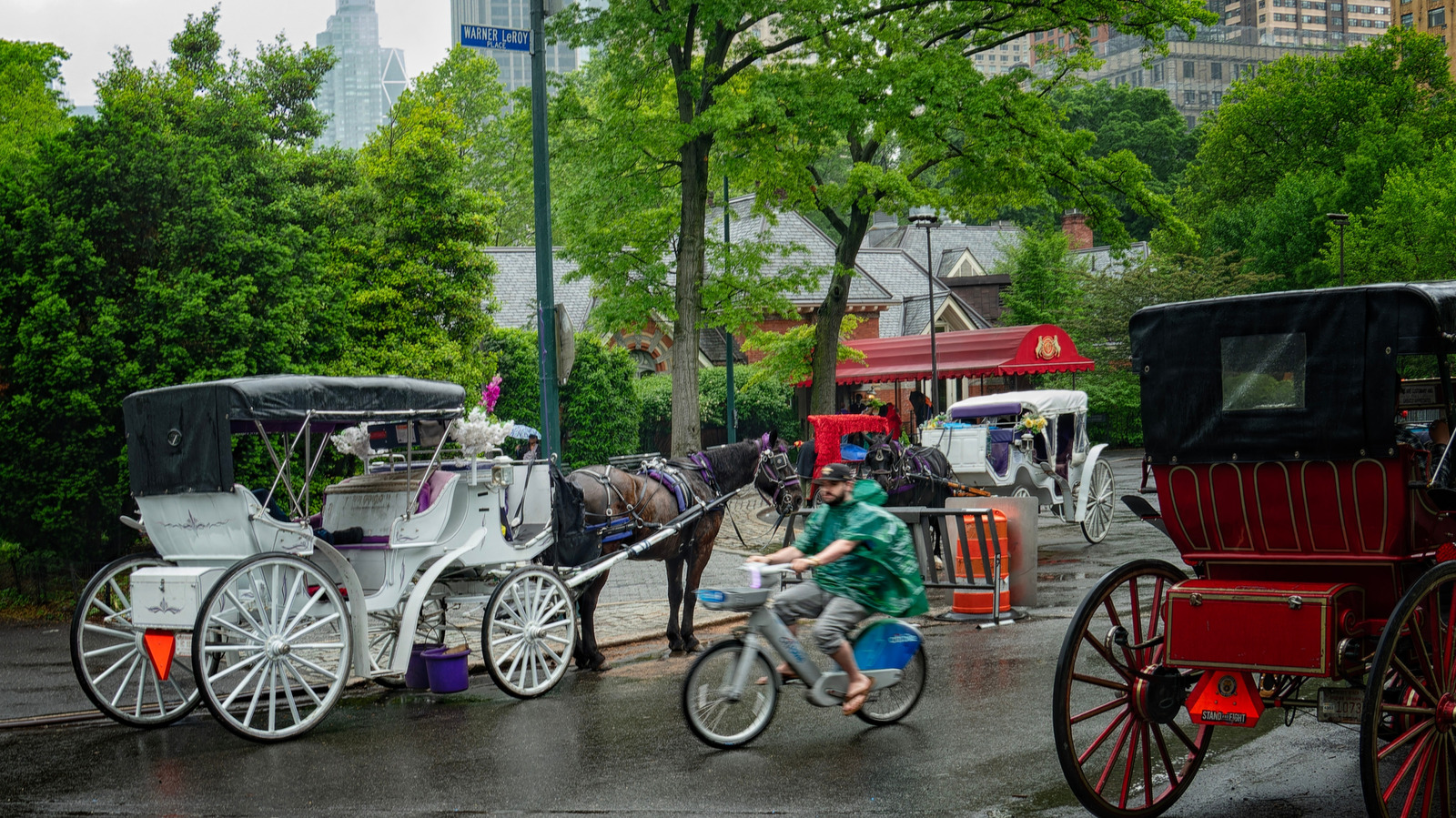
The political reality of the ban became clear when a spokesperson for Council Speaker Menin confirmed the administration’s decisive support in an announcement to Politico. Mayor Mamdani quickly reinforced that stance on social media, declaring unequivocally that the horse carriage industry in New York City is coming to an end. In subsequent public remarks, the mayor elaborated on the administration’s strategy, noting that while the policy direction is firmly established, a comprehensive transition plan is still being finalized. According to the mayor’s office, ongoing negotiations are focused on ensuring that both the workers and the license owners within the industry are protected and supported through the major disruption.
The proposed legislation is officially scheduled to go to a formal vote in the City Council, where it already commands more than enough support to pass comfortably. However, the passage of the bill is only the first step in a complex administrative process. The legislation requires the mayor’s office to formulate and finalize a detailed transition plan no later than April 1, 2027. Crucially, the bill contains strict provisions mandating that the horses affected by the ban must not be sold off for slaughter or subjected to other abusive outcomes, addressing a primary concern raised by animal advocacy organizations throughout the legislative debate.
Beyond the immediate welfare of the animals, the framework leaves the city administration to sort out intricate logistical details, including the creation of job retraining programs and financial compensation structures for former carriage operators and stable owners whose livelihoods have been tied to the industry. These negotiations will undoubtedly prove delicate as the city balances the economic security of industry workers with the broader public mandate to reform Central Park’s operations.
The decision to phase out horse-drawn carriages will undoubtedly disappoint some tourists, whose expectations of a Manhattan vacation are often shaped by nostalgic cinematic portrayals. Yet, city leaders and urban planners increasingly view the move as a necessary modernization that benefits all residents and visitors alike, human and animal alike. As the city prepares to turn the page on this chapter of its history, the debate may ultimately cycle back to alternative visions for park transportation, potentially opening the door for vintage-style electric vehicles or other modern conveyances to take the place of the traditional horseless carriage in Central Park.









No comments yet. Be the first to join the conversation!