

Choosing the right credit card in today’s vast financial landscape can feel like a daunting task for consumers looking to maximize their spending power, manage debt, or build a solid financial foundation. With hundreds of options available—ranging from cash back and travel rewards to zero-percent APR periods and balance transfer solutions—sifting through the fine print requires both time and specialized knowledge. To address this challenge, financial advisory platforms and industry experts continue to refine the tools, resources, and curated guides necessary to help everyday consumers navigate their financial decisions with confidence.

Behind these consumer-facing platforms is a dedication to independent research, fact-checking, and objective reporting. Industry veterans with decades of collective experience analyze credit card offers based on a wide range of factors, including overarching card features, introductory bonus incentives, and long-term value. Editorial teams maintain strict independence, ensuring that credit card issuers have no influence over how products are reviewed, scored, or recommended. This rigorous approach aims to provide readers with accurate, transparent advice tailored to their unique financial situations, whether they are seasoned reward optimizers or individuals trying to pay down existing debt.

Navigating the Complex World of Credit Card Categories

For many consumers, the first step in selecting a credit card is identifying the specific category that aligns with their lifestyle and financial goals. Popular segments typically include cash back cards, balance transfer options, zero-percent APR promotions, general rewards, and specialized travel cards. Each category serves a distinct purpose, and understanding the nuances between them is vital for making an informed choice.
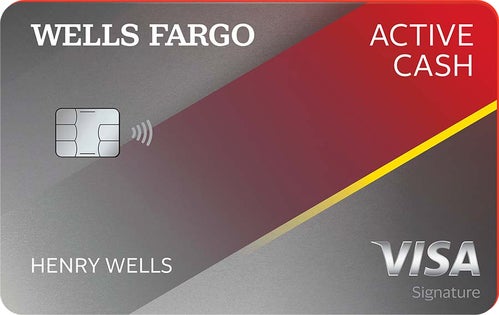
Cash back cards remain exceptionally popular for their simplicity and broad utility, allowing cardholders to earn a percentage of their purchases back as a statement credit, check, or deposit. Top-rated options in this category often feature flat-rate earnings on all purchases or elevated rewards in everyday spending categories like groceries, dining, and entertainment. Reviewers and editors frequently analyze cards such as the Wells Fargo Active Cash® Card, the Chase Freedom Unlimited®, and the Capital One Savor Cash Rewards Credit Card to help consumers determine which structure best fits their daily spending habits.

On the other hand, individuals facing existing high-interest debt frequently turn toward balance transfer cards and zero-percent introductory APR offers. These financial instruments can provide vital breathing room by temporarily halting the accumulation of interest charges on transferred balances or new purchases. Prominent choices highlighted by financial experts include the Citi® Diamond Preferred® Card and the Discover it® Cash Back, both of which offer structured introductory periods designed to help cardholders systematically pay down what they owe without incurring heavy penalties.

Meanwhile, frequent flyers and vacation enthusiasts often gravitate toward travel rewards and premium general rewards cards. These products typically yield flexible points or miles that can be transferred to airline and hotel loyalty programs or redeemed for travel bookings through issuer portals. Leading selections in the rewards and travel sectors include the Chase Sapphire Preferred® Card, the Capital One Venture Rewards Credit Card, and the American Express Platinum Card®. Each of these cards brings a unique mix of point multipliers, airport lounge access, and travel insurance protections, though they also demand a careful weighing of annual fees against the value of the perks received.

Leveraging Digital Tools and Personalized Curations

Recognizing that comparing individual card offerings manually can be overwhelming, modern financial platforms offer specialized tools designed to streamline the decision-making process. Rather than forcing consumers to browse hundreds of unorganized card listings, personalized matching systems analyze user profiles to surface pre-qualified and special offers suited to their credit tier and spending preferences. This curated approach minimizes the guesswork and directs applicants toward products where they stand a strong chance of approval.

In addition to card matching directories, interactive financial calculators have become indispensable assets for consumers striving to take control of their finances. When complex math and interest rate formulas create barriers to understanding, automated calculators step in to bridge the gap. By inputting just a few basic details regarding a current balance, monthly payment amounts, or potential transfer fees, users can instantly calculate the exact timeframe required to pay off a credit card or estimate the monetary savings achieved through a strategic balance transfer. These digital solutions empower consumers to visualize the trajectory of their debt and make proactive adjustments to their repayment strategies.

Upholding Security and Fostering Financial Literacy

As financial management increasingly shifts toward digital platforms, maintaining consumer trust and safeguarding personal information remains a paramount concern. Trusted financial guidance websites emphasize stringent privacy standards, treating user data with the utmost care and confidentiality. To protect consumers from fraudulent activities and phishing schemes, reputable institutions maintain strict communication policies, assuring users that they will never make unsolicited phone calls or reach out unexpectedly to offer services over the telephone.

Beyond product reviews and calculation tools, continuous education forms the cornerstone of responsible personal finance. Industry reporters and financial journalists routinely publish comprehensive guides, trend analyses, and timely updates to keep consumers informed about shifting economic conditions, changes in credit card terms, and evolving best practices for debt management. By combining expert reviews, personalized card curation, intuitive digital calculators, and ongoing educational content, these platforms strive to equip individuals with the comprehensive resources needed to achieve long-term financial stability and make choices that best serve their economic futures.











No comments yet. Be the first to join the conversation!