

When 28-year-old Georgia Young was spending grueling hours advising private equity firms and global financial institutions on multi-billion-dollar portfolios, she had little idea that her grueling schedule would eventually lead her down an entirely different career path. Working in high-stakes strategy and sustainability consulting in New York, Young faced relentless pressure, tight deadlines, and overlapping deliverables. Like many corporate professionals juggling demanding jobs, she found herself heavily reliant on caffeine to maintain her focus throughout long days.
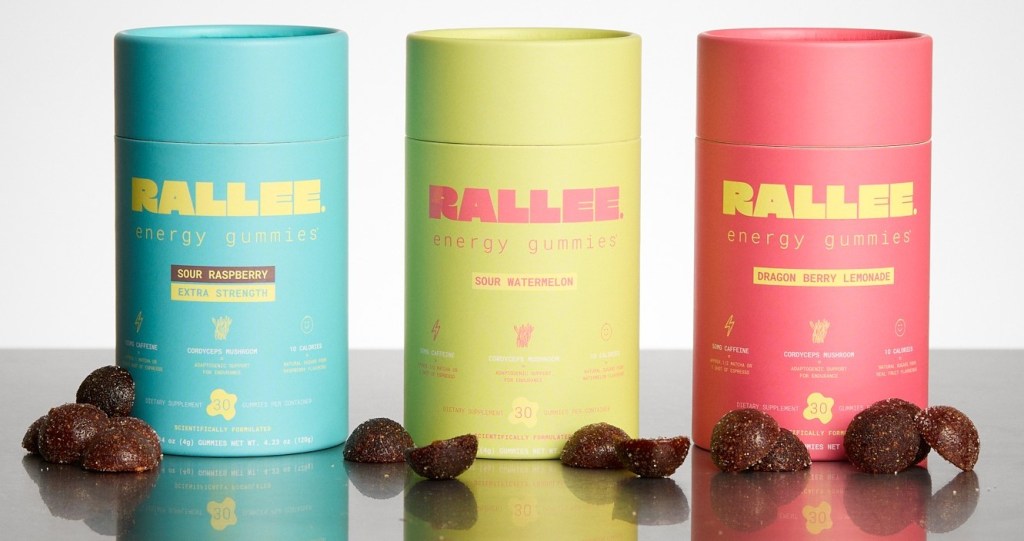
However, her daily routine came with persistent frustrations. Standing in line for a barista multiple times a day consumed valuable minutes, while spending five or six dollars on coffee or matcha quickly added up. Furthermore, traditional energy drinks left her searching for a cleaner, healthier, and more convenient alternative. That personal dilemma sparked the creation of Rallee, a line of caffeinated gummies designed for sustained energy on the go. Today, just months after its official launch, the bootstrapped startup has secured national distribution in nearly 2,000 Walmart stores and is projected to bring in approximately $1.8 million in revenue by 2027.
A Demanding 9-to-5 Job Inspired Her Side Hustle Rallee

Young developed Rallee while still deeply entrenched in her consulting career, officially launching the brand in January 2025. The inspiration was born directly out of her professional environment. Working back-to-back meetings and managing demanding private equity and private credit clients required an immense amount of mental stamina. She wanted a caffeine delivery system that was more affordable, highly convenient, and thoughtfully formulated than the existing options on the market.
Rather than settling for sugary energy drinks or expensive coffeehouse runs, Young envisioned a portable, better-for-you alternative. Drawing on her master’s degree in sustainable business from the University of Miami, she set out to build a product that aligned with health-conscious values without sacrificing performance. Yet, because her academic and professional background was rooted in strategy rather than consumer packaged goods, launching the business meant teaching herself an entirely new industry from the ground up while maintaining a demanding full-time job.
Researching Manufacturers and Testing Samples
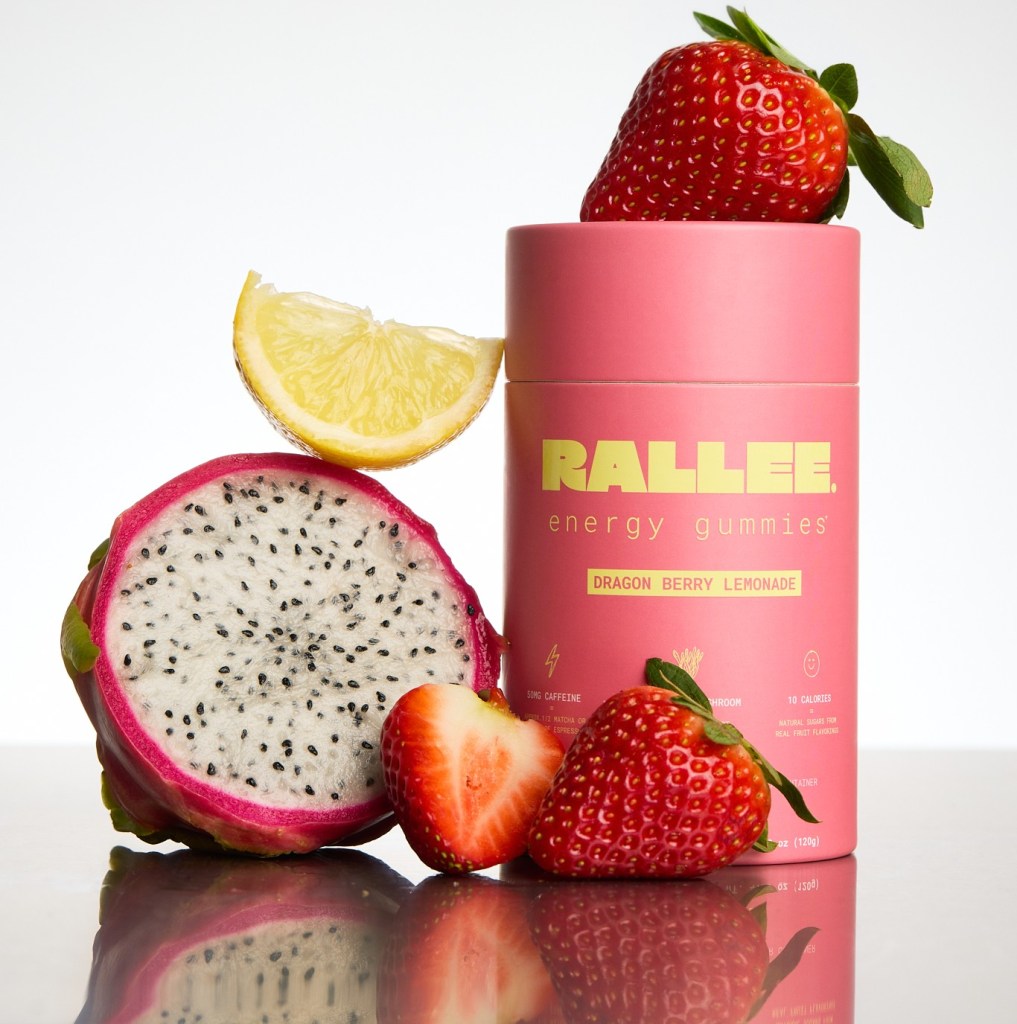
To get the venture off the ground, Young’s first hurdle was determining whether her conceptual product could actually be manufactured. She dove into extensive research regarding gummy production, caffeine delivery mechanisms, and ingredient interactions. Collaborating with nutritional scientists, she helped develop a formula aimed at delivering calm, jitter-free focus. The resulting product paired caffeine with L-theanine, utilized a coated, slow-release caffeine system for steady energy rather than a sudden spike, and incorporated cordyceps mushrooms into a vegan, 10-calorie formulation made with real fruit juice.

Navigating the logistics of food manufacturing proved to be a massive learning curve. With no prior experience in the space, Young spent her evenings, weekends, and every available spare moment researching regulatory requirements, packaging design, and branding. She continued her consulting work until April 2025—roughly three months after Rallee’s debut—before transitioning to run the company full-time. Funding the venture entirely on her own, Young invested approximately $45,000 of her personal savings. To this day, the business remains 100% founder-owned and self-funded.
Tapping into Advice from Other Founders
Building a physical product from scratch required leaning heavily on external networks for guidance. Young found her most valuable resources in other entrepreneurs who were a few steps ahead in their journeys, particularly regarding manufacturing logistics, retail negotiations, fundraising, and distribution. Rather than spending countless hours researching complex retail nuances online, she discovered the immense value of direct conversations with experienced founders.
Communities such as Startup CPG also played a pivotal role in her early success. Through a Walmart submission opportunity connected to the Startup CPG network, Rallee eventually secured national distribution, landing the brand in 1,940 Walmart stores across the United States within just eight months. Reflecting on her trajectory, Young acknowledges that her background in consulting initially fostered a perfectionist mindset. Coming from an environment where deliverables underwent multiple rigorous rounds of review before reaching a client, she initially wanted every single detail of her brand to match her exact vision.
However, she soon realized that building a consumer brand is an ongoing process of iterative testing, learning, and improving. Spending months debating internal details often proves counterproductive when market feedback reveals entirely different consumer priorities. While never compromising on product quality or safety, Young learned that getting a product to a finished, high-quality state and letting the market respond is far more valuable than spending months chasing elusive perfection, especially for a self-funded startup.
Building a Physical Product Requires Significant Cash
For aspiring entrepreneurs entering the consumer packaged goods space, Young notes that one of the most surprising and challenging realities is the sheer amount of capital tied up in physical inventory before a single unit is sold. Every production run demands upfront payment for ingredients, packaging, and freight months before that inventory converts into revenue, a financial gap that traditional retail timelines tend to stretch even further. Additionally, founders must be prepared to wear countless hats early on, shifting rapidly from creative director to finance manager and manufacturing troubleshooter all in the span of a single day.
That operational complexity was tested firsthand during the preparations for Rallee’s major Walmart launch. When a crucial piece of packaging sealing equipment failed to arrive on schedule, pushing back production was simply not an option due to strict retail deadlines. Refusing to miss the window, Young and her team completely restructured their operations on the fly. They brought in additional labor, transitioned to handheld sealing equipment, and worked closely with manufacturing partners to get every unit packed manually. While significantly more labor-intensive and expensive than initially budgeted, the creative problem-solving ensured the retail deadline was met.
Growth and Revenue Reach New Milestones
Achieving consistent monthly revenue took longer than Young initially anticipated, providing a realistic perspective for others entering the market. Although Rallee generated sales from its very first month in January 2025, those figures fluctuated through much of the first year as the brand refined its format, pricing strategy, and messaging. The turning point arrived with a strategic relaunch in February 2026. By pivoting toward subscription models, curated bundles, and single-serve sampling pouches, the company experienced a 7.6-fold increase in direct-to-consumer sales over a four-month span.
Because physical product businesses require continuous reinvestment into inventory, product development, logistics, and marketing, the vast majority of earnings continue to flow directly back into the company, highlighting the crucial distinction between top-line revenue and net profit. Following the February relaunch, Rallee successfully expanded from a direct-to-consumer digital brand into thousands of physical retail locations. Alongside its nationwide Walmart footprint—which features the introduction of a new six-gummy mini variety pack and full-size tubes in select locations—the company is conservatively projecting approximately $1.8 million in revenue for 2027.
For Young, seeing an idea transition from a mental concept into a physical product on mainstream retail shelves remains a surreal experience. Her primary advice to anyone considering product development is to conduct rigorous preliminary market research before committing thousands of dollars. By speaking directly with at least twenty potential buyers, listening closely to their current frustrations, and understanding what would genuinely drive them to switch products, founders can shape their pricing, messaging, and formulas around validated consumer demand before funding their first major production run.







No comments yet. Be the first to join the conversation!