
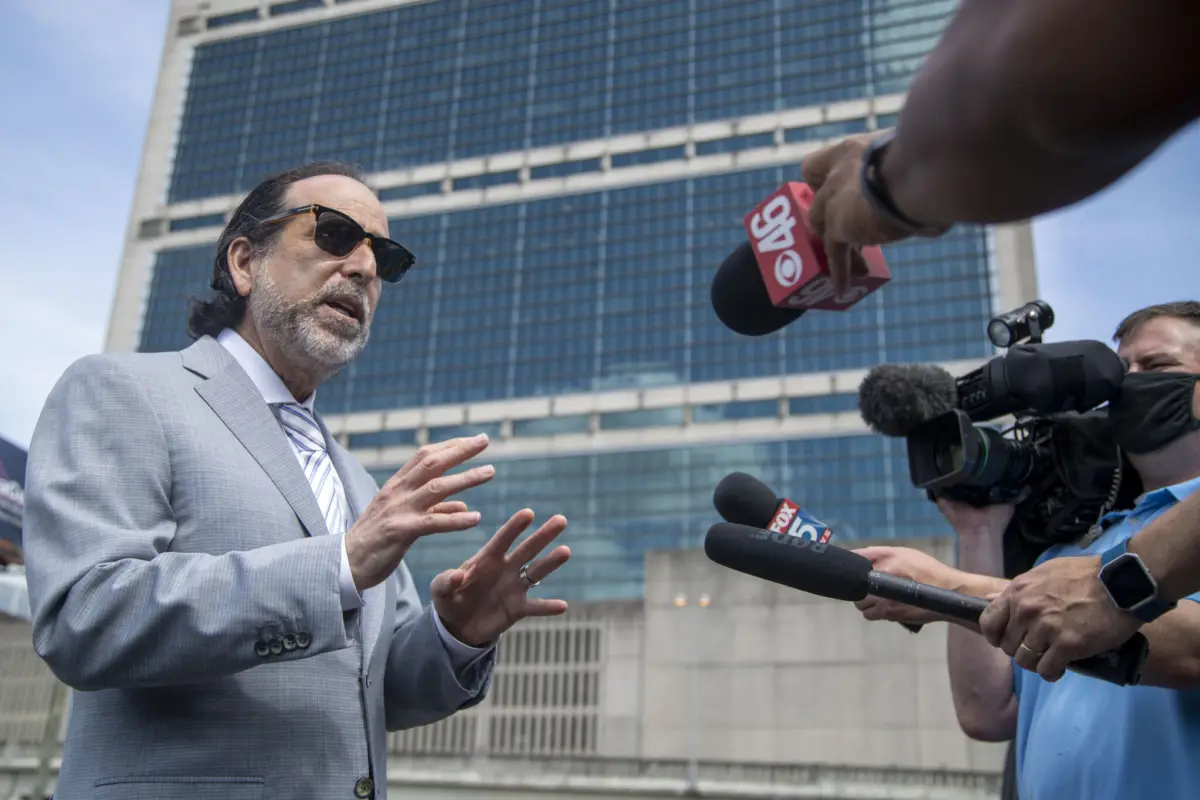
For nearly 40 years, veteran Atlanta criminal defense attorney Drew Findling relied almost exclusively on word-of-mouth recommendations to build his practice. In fact, until just three months ago, the high-profile lawyer did not even have a professional website. Known widely for representing top-tier hip-hop artists such as Lil Durk and Waka Flocka Flame, Findling has navigated a career spanning state and federal courtrooms without ever hiring a public relations firm. Instead, his digital footprint has been managed largely by his son, Zack, an attorney at the Findling Law Firm, who runs his Instagram account boasting approximately 322,000 followers.
Recently, however, the practical demands of modern high-profile litigation prompted a change. Anticipating a cascade of inquiries following his latest major trial, Findling’s firm launched a streamlined landing page. The site features attorney biographies, an online contact form, and a high-energy sizzle reel of news clips set to instrumental music. Among the audio clips welcoming visitors is the voice of Waka Flocka Flame—legally known as Juaquin Malphurs—declaring, “Drew, that guy, man. If you get in trouble, call Drew.”
Despite his close relationships with prominent musicians, Findling maintains a strict professional boundary inside his office. “I call everybody by their regular names. So Lil Baby is Dominique. DaBaby is Jon,” Findling says. “We just don’t do that here at the office. We don’t fall into that fanboy type thing.”
High-Stakes Cases and Legal Battles
Findling’s courtroom roster features a diverse array of high-profile individuals across entertainment, sports, and politics. He represented Waka Flocka Flame on state weapons charges stemming from an arrest at an airport in 2014, securing a not-guilty verdict from a Georgia state court jury in 2017. Over the decades, his client list has also included music artist Cardi B, professional basketball player Dennis Rodman, and former President Donald Trump.
Findling’s representation of Trump involved a 2021 criminal probe in Fulton County, Georgia, which examined allegations that the former president made efforts to overturn the 2020 presidential election results. However, just hours before Trump was scheduled to surrender at the Fulton County jail, he replaced Findling with new legal counsel, as reported by The Guardian. The underlying Fulton County election case was ultimately dismissed in 2025.
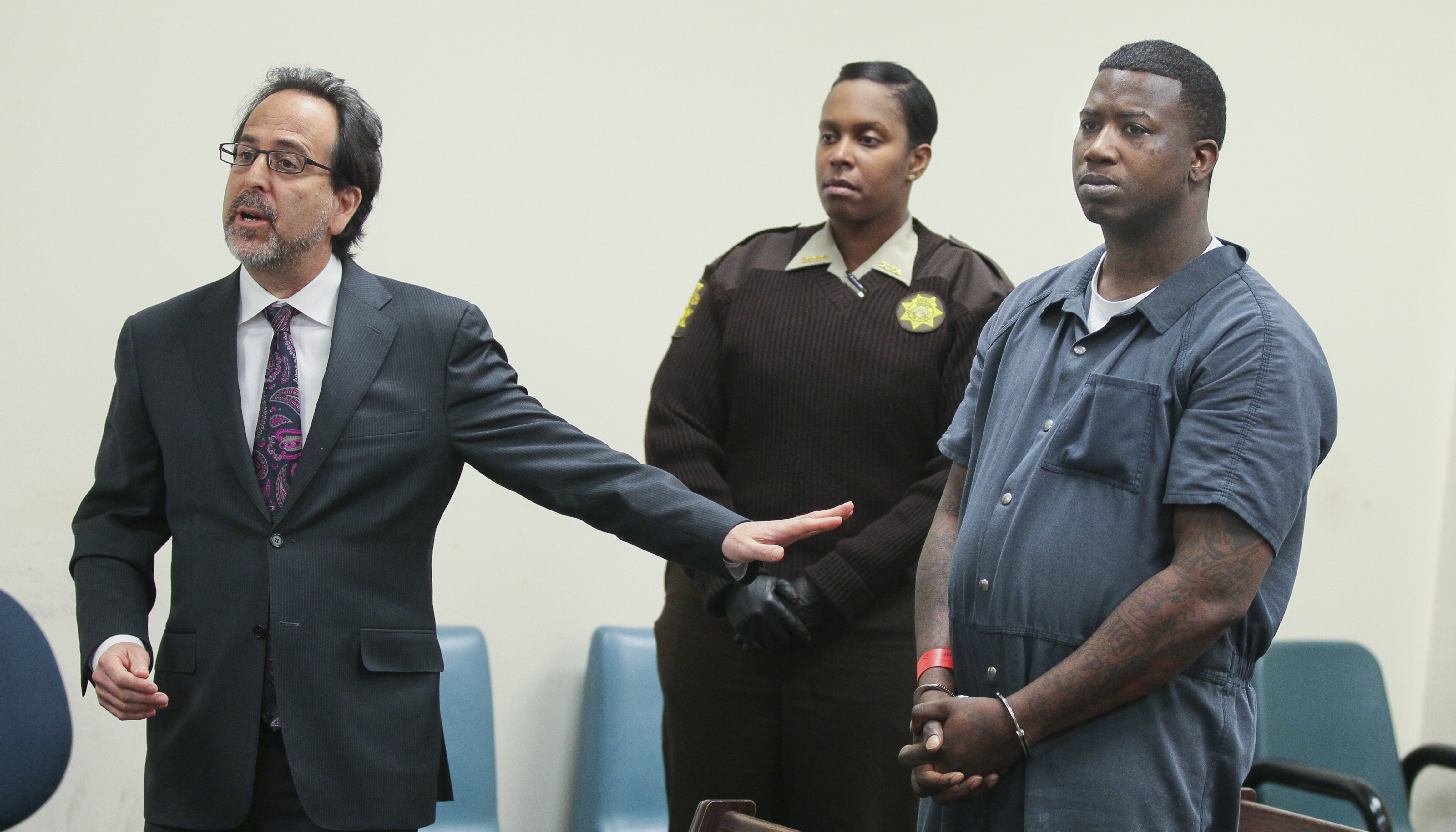
In the federal arena, Findling negotiated a plea deal for rapper Gucci Mane—legally Radric Davis—on a federal firearms charge. More recently, he served as part of the legal team for Chicago drill artist Lil Durk, whose legal name is Durk Banks, in a high-stakes federal murder-for-hire trial. Prosecutors accused Durk of orchestrating a hit against rival rapper Quando Rondo, an alleged conspiracy that resulted in the 2022 fatal shooting of Quando Rondo’s cousin, Saviay’a Robinson. In September, a federal jury returned not-guilty verdicts on all charges against Lil Durk. Bryan Steel, another prominent defense attorney renowned for representing hip-hop artists, also served on the defense team. Findling continues to represent Lil Durk in connection with an upcoming federal racketeering case.
A Southern Transplant
Findling’s journey to becoming a go-to attorney for the entertainment industry began far from the courtrooms of Atlanta. Growing up on Long Island, New York, he moved south after receiving a running scholarship to attend Oglethorpe University. He subsequently earned his Juris Doctor from the Emory University School of Law in 1984.
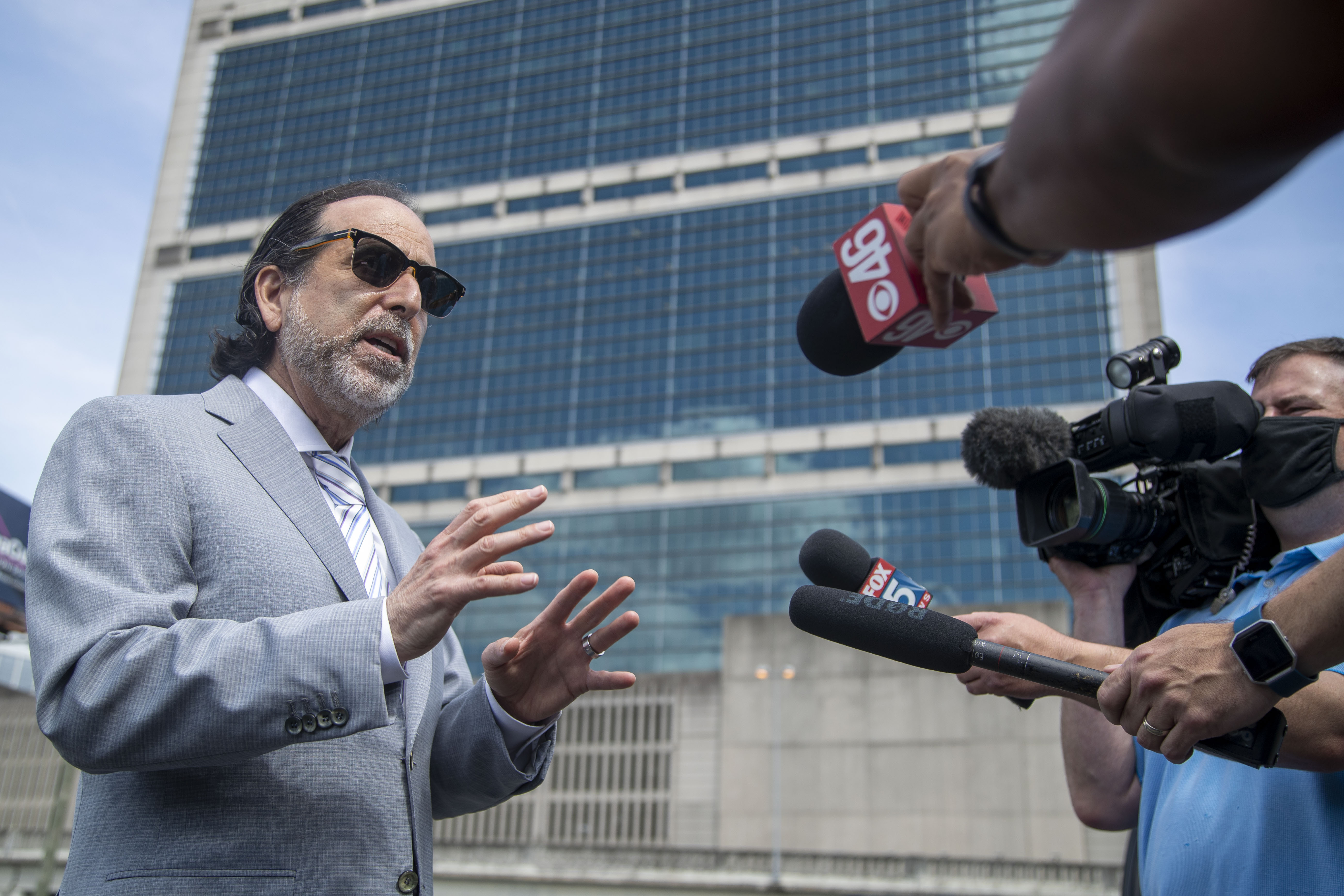
His foundational years in the legal profession were spent serving as a public defender in Fulton County, Georgia, for three years. Findling credits that formative experience with teaching him the critical importance of deeply understanding his clients, which frequently involved getting to know their families and personal backgrounds.
“To be the greatest trial attorney, you have to understand where your client is coming from,” Findling reflects. “You can’t fight for somebody’s freedom if you don’t understand what their freedom is.”
After leaving the public defender’s office, Findling established his own practice in 1987. Today, the Findling Law Firm has expanded to a team of five attorneys primarily focused on criminal defense litigation in state and federal courts. While the vast majority of his clients are everyday citizens rather than celebrities, his high-profile cases have offered him a sharp window into systemic issues within the justice system, including implicit bias and institutional racism.
Representing figures in the rap and hip-hop industry serves as a clear “microcosm of the challenges we have in our society,” Findling observes. He points out a glaring double standard in how different musical genres are perceived by law enforcement and the judicial system: “Nobody has a case where they bring a client in who’s involved in country music or pop music or opera or whatever it is, and immediately goes, ‘You know, I’m going to look at them through a suspicious lens.’”
This bias often manifests when prosecutors attempt to utilize an artist’s creative lyrics as direct evidence of criminal conduct in courtrooms, Findling notes. According to the defense attorney, law enforcement officials and prosecutors frequently lack foundational knowledge of the hip-hop industry and fail to consult industry professionals. Instead, they “cherry-pick out something that could be used as evidence,” a practice Findling calls “incredibly unfair” and one that he notes frequently backfires in trials.
During the Lil Durk trial, the presiding judge permitted prosecutors to introduce the music video for the rapper’s 2021 single, “Pissed Me Off,” but ultimately chose to exclude lyrics from his 2022 track, “Hanging With Wolves.”
Marissa Goldberg, Findling’s law partner, attributes his enduring success in the courtroom to his exceptional ability to forge genuine human connections with clients, witnesses, and jurors alike. Beyond legal strategy, Goldberg notes that Findling frequently provides personal life advice to those he represents and maintains supportive relationships long after their legal matters are resolved.
“He will pick up for somebody at three in the morning every time. He’s always there,” Goldberg says.
Former clients echo that sentiment. Josh Clark, who retained Findling after facing federal charges of money laundering and wire fraud—resulting in an acquittal by a U.S. District Court for the Northern District of California jury in 2023—credits the lawyer with saving his life.
“My life would have been over if it weren’t for him,” Clark says. “It’s like a laser focus, and I don’t know how he does it because I know he’s juggling different cases, but you feel like you’re the only person in Drew’s world when you’re going through it.”
As Seen on TV
Findling’s prominent career in criminal defense has also caught the attention of the entertainment world itself. Another high-profile client, Curtis Jackson—better known as the rapper 50 Cent—sold a scripted television series loosely inspired by Findling’s legal career, which is currently in development.
Findling, a past president of the National Association of Criminal Defense Lawyers, emphasizes that any television adaptation based on his professional life remains strictly fictional.
“I’m happily married and a dedicated father,” Findling says. “Not one person would watch a TV show about that.”






No comments yet. Be the first to join the conversation!