
Planning for retirement is one of the most critical financial tasks an individual will face over the course of their lifetime, and online software tools have increasingly become the go-to resource for mapping out these futures. When individuals are years away from leaving the workforce, retirement calculators serve as vital instruments to determine necessary savings rates. As the timeline draws closer, these same digital platforms help retirees understand precise annual spending limits to ensure they do not outlive their assets.
However, a fundamental challenge exists across the digital financial landscape: not all retirement tools reach the same conclusions. Because these programs rely on complex series of mathematical calculations, varying assumptions, and differing underlying methodologies, their final projections can diverge significantly. A comprehensive study examining five popular retirement planning software packages uncovered stark differences in outcomes. Consequently, financial researchers and analysts recommend that individuals utilize multiple software programs before implementing any permanent action plan based on the results.
To help consumers navigate this crowded field, financial commentators and long-time industry observers have evaluated the leading platforms available today. Having spent years testing these software packages firsthand—alongside numerous others that failed to make the cut—financial experts have identified a distinct tier of top-performing options that cater to different stages of the retirement lifecycle, from early accumulation to semi-retirement and decumulation.
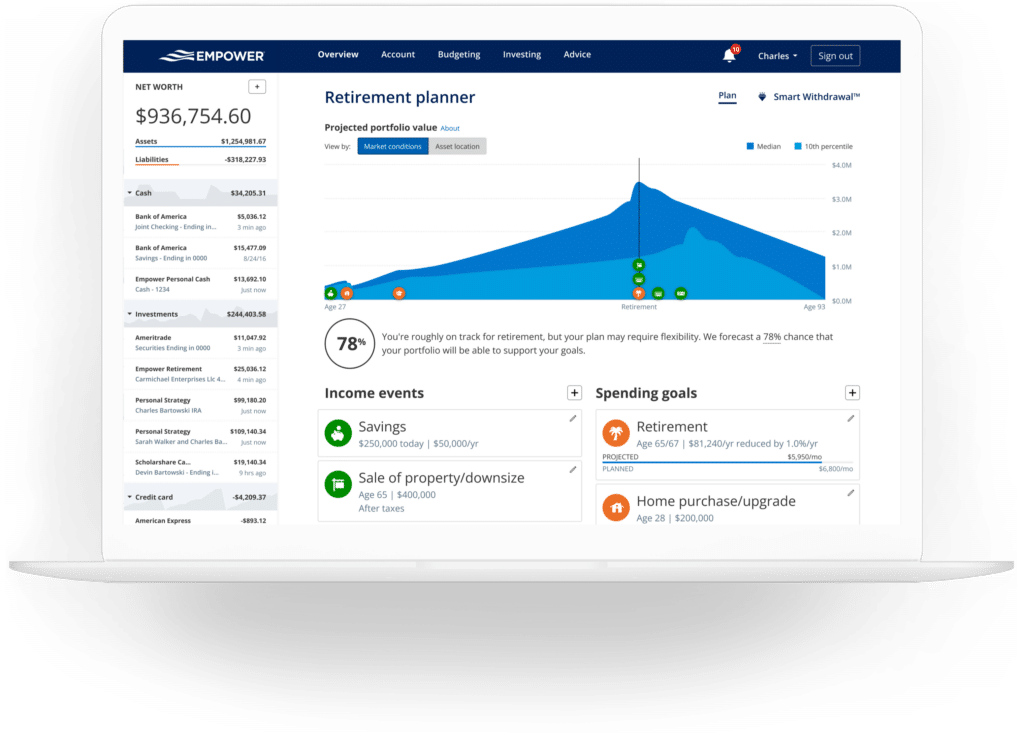
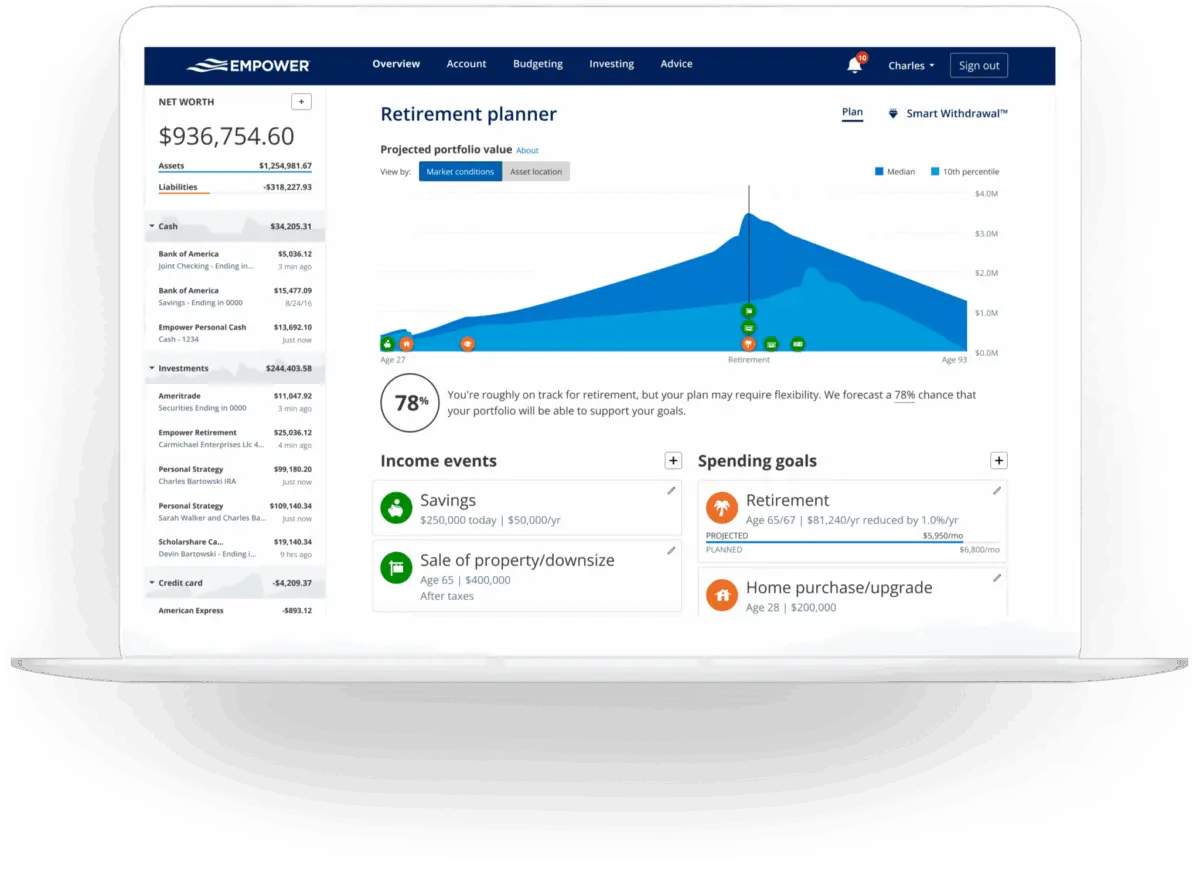
Among the most prominent tools is Empower’s Retirement Planner, widely recognized as a premier free option for everyday investors. Completely free of charge and designed for exceptional ease of use, Empower allows users to seamlessly link their 401(k), IRA, and other investment accounts. Once connected, the software automatically pulls account data directly into its planning engine. Users can then model various income events, such as future savings, real estate sales, Social Security benefits, and pensions, alongside specific spending goals like travel or long-term care. By running the gathered data through a sophisticated Monte Carlo simulation, the platform reports the statistical likelihood of a plan’s success. A key differentiator for Empower is its ability to let users create multiple comparative scenarios, testing variables like different retirement ages or claiming strategies side-by-side. It is particularly powerful for individuals who are more than five years away from leaving their careers.
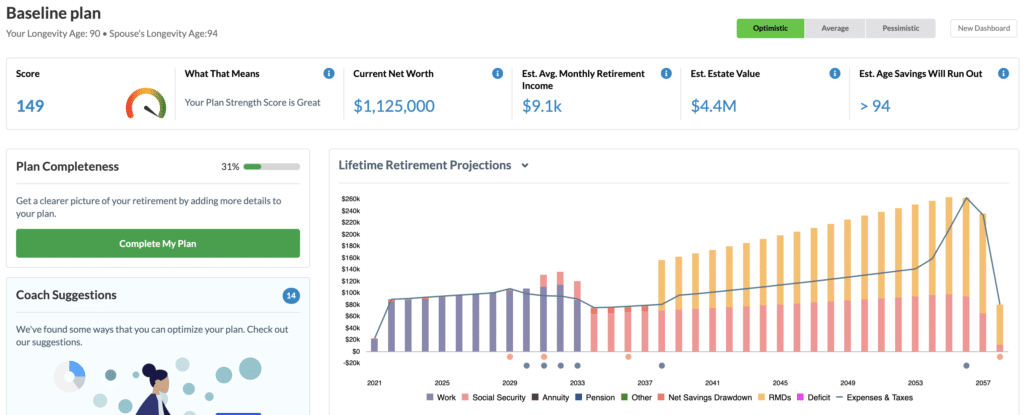
For those seeking a more granular, highly detailed approach, Boldin—formerly known as New Retirement—offers a robust ecosystem capable of modeling virtually every intricate aspect of retirement planning. This platform is tailored for users who want to dive deep into the mechanics of their financial future, handling complex variables such as Medicare coverage, annuity structures, traditional pensions, and nuanced Social Security claiming strategies. Boldin manages this complexity by offering a streamlined quick-start guide that allows users to answer a few basic questions and generate a high-level snapshot of their retirement readiness in under five minutes. Afterward, individuals can manually enter or link their accounts to project future income, expenses, and net worth through clean, user-friendly charts and tables. A standout feature of the platform is its dedicated Roth IRA conversion calculator, which helps users determine the optimal timing and amounts for converting traditional retirement accounts. Boldin offers a free version, while its enhanced PlannerPlus subscription is priced at $14 per month billed annually following a 14-day free trial.
Another industry favorite among sophisticated planners is ProjectionLab, a software package praised for its exceptional user interface, advanced tax analysis, and top-tier "what-if" scenario modeling. The platform accommodates a wide variety of account types, ranging from traditional and Roth retirement accounts to Health Savings Accounts and taxable brokerages. Users input their income, expenses, investments, and life milestones—such as retirement dates, Social Security timelines, debt elimination, or college funding for children—to generate comprehensive financial projections. ProjectionLab distinguishes itself by allowing users to model distinct retirement withdrawal strategies, including the classic 4% Rule, Guyton-Klinger guidelines, and Variable Percentage Withdrawal methods. It runs both Monte Carlo and historical market simulations, providing a holistic view of an individual’s financial trajectory. The software offers a basic free tier alongside a Premium plan priced at $129 per year following a seven-day free trial.
Further expanding the spectrum of available methodologies is Maxifi, a software package built upon the distinct economic model known as "consumption smoothing." This academic framework assumes that individuals generally prefer to maintain a consistent level of inflation-adjusted spending throughout each year of their retirement. While traditional retirement planning often focuses on calculating a success rate based on a predetermined desired annual budget, consumption-smoothing software works in reverse, calculating what an individual can afford to spend each year based entirely on their total assets and projected income sources. While economists strongly advocate for this consumption-based approach, financial planners note that actual human spending tends to decrease as retirees age. Furthermore, Maxifi requires a significant time investment to master, often taking ten minutes or more to process complex scenarios behind the scenes, making it one of the more challenging tools for casual users to navigate compared to its competitors.
As consumers increasingly turn to these digital resources, industry experts emphasize the fundamental distinction between basic retirement calculators and advanced planning software. Standard calculators typically rely on a handful of high-level inputs to give users a quick snapshot of their general readiness. In contrast, comprehensive retirement planning software incorporates granular variables such as tax optimization, Roth conversions, healthcare premiums, and dynamic market simulations. Because these software packages approach financial modeling differently, financial professionals continue to advise utilizing multiple platforms to cross-reference data, manage risk, and build a resilient, long-term retirement strategy.







No comments yet. Be the first to join the conversation!