
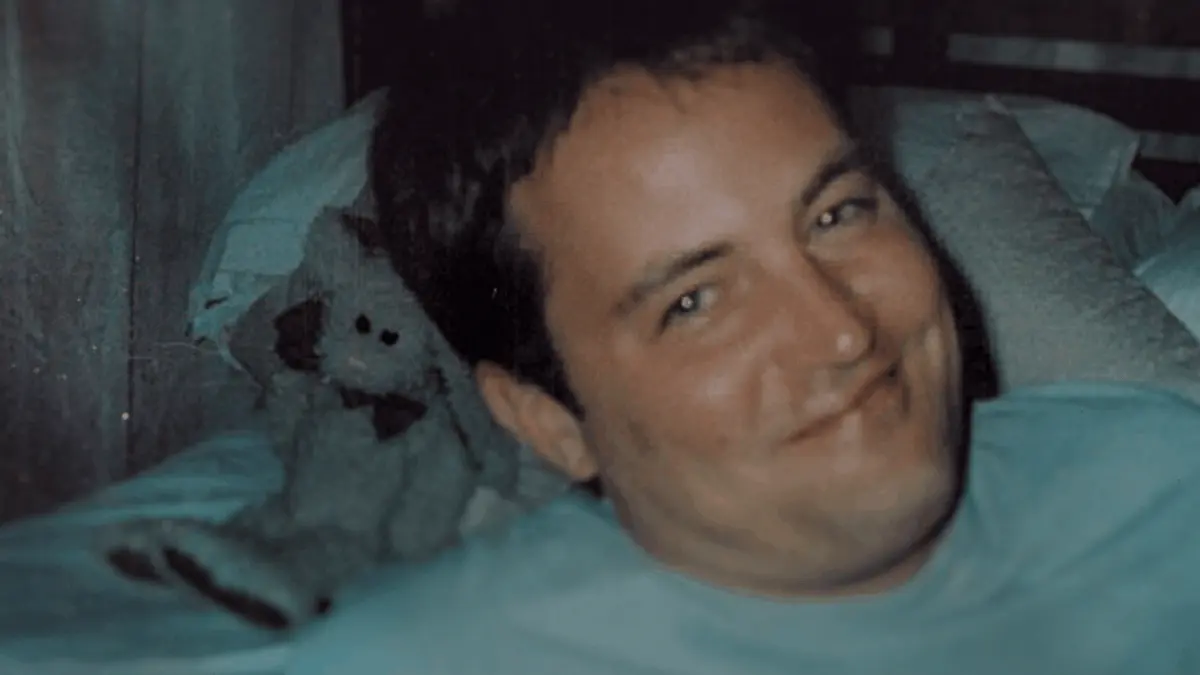
It would be easy to slot Matthew Perry, the Friends star who died from acute effects of ketamine and subsequent drowning in October 2023, into the latter category. For millions of viewers worldwide who grew up watching him bring sarcastic, endearing life to Chandler Bing on one of the most successful television sitcoms in history, his sudden passing felt like a tragic closing chapter to a very public battle with demons that he had fought in plain sight for decades. But in the intimate three-part Netflix documentary The One About Matthew Perry, directed by Mary Robinson—known for her harrowing work on Quiet on the Set: The Dark Side of Kids TV—honors his memory by resisting that simplistic binary.
Yes, addiction killed Perry at the age of 54. It is an undeniable part of the equation, compounded by a cadre of enablers, including medical professionals, who have faced legal consequences and prison time for their roles in supplying the drugs that led to his fatal overdose. It’s also true that he spent more than 25 years surviving that very illness, fighting tenaciously to act and write, to enjoy his friendships, to make his family proud, and to fall in love. Instead of hiding that struggle behind the polished facade expected of mainstream television stars, he used his substantial fortune to aid others in their recoveries, turning his sprawling Malibu home into a sober living facility at one point, and utilized his massive platform to advocate for a broader, more compassionate understanding of addiction as the complex medical illness that it is, rather than a simple moral failing.
Robinson captures all of this in straightforward, chronological order, structuring the documentary through deeply emotional interviews with family members and longtime friends, as well as Perry’s own startlingly frank reflections drawn from past media appearances and his remarkably candid 2022 memoir, Friends, Lovers, and the Big Terrible Thing. One of the most striking aspects of the documentary is the notable absence of major Hollywood celebrities. Whether by design from the production team or otherwise, this choice consciously limits the kind of hollow, fond platitudes that often oversaturate biographical projects about departed icons. In their place, viewers are treated to vivid behind-the-scenes anecdotes and unvarnished, candid memories of who he was offscreen—capturing not only his ambition, trademark charm, quick humor, and magnanimity, but also the very real pain he was capable of inflicting on those who loved and needed him most during his darkest hours.
Among the contributors, his sister Mia Perry Bowick, a psychotherapist, emerges as the most insightful presence throughout the series. She embraces grief and emotional ambivalence with striking clarity, tying her big brother’s incredible highs and devastating lows to early family dynamics and the complex emotional landscape of their youth. Her perspective grounds the documentary in a raw, human reality that cuts through the glossy sheen of television stardom.
With all due respect to Chandler Bing, the beloved fictional character that defined a generation of television comedy, Perry’s greatest contribution to the cultural conversation was his radical vulnerability, even when the image of him it exposed wasn’t flattering or comfortable to witness. In its unflinching honesty, this documentary continues that vital work, offering a complete and empathetic portrait of a man who was so much more than his final tragic chapter.








No comments yet. Be the first to join the conversation!