
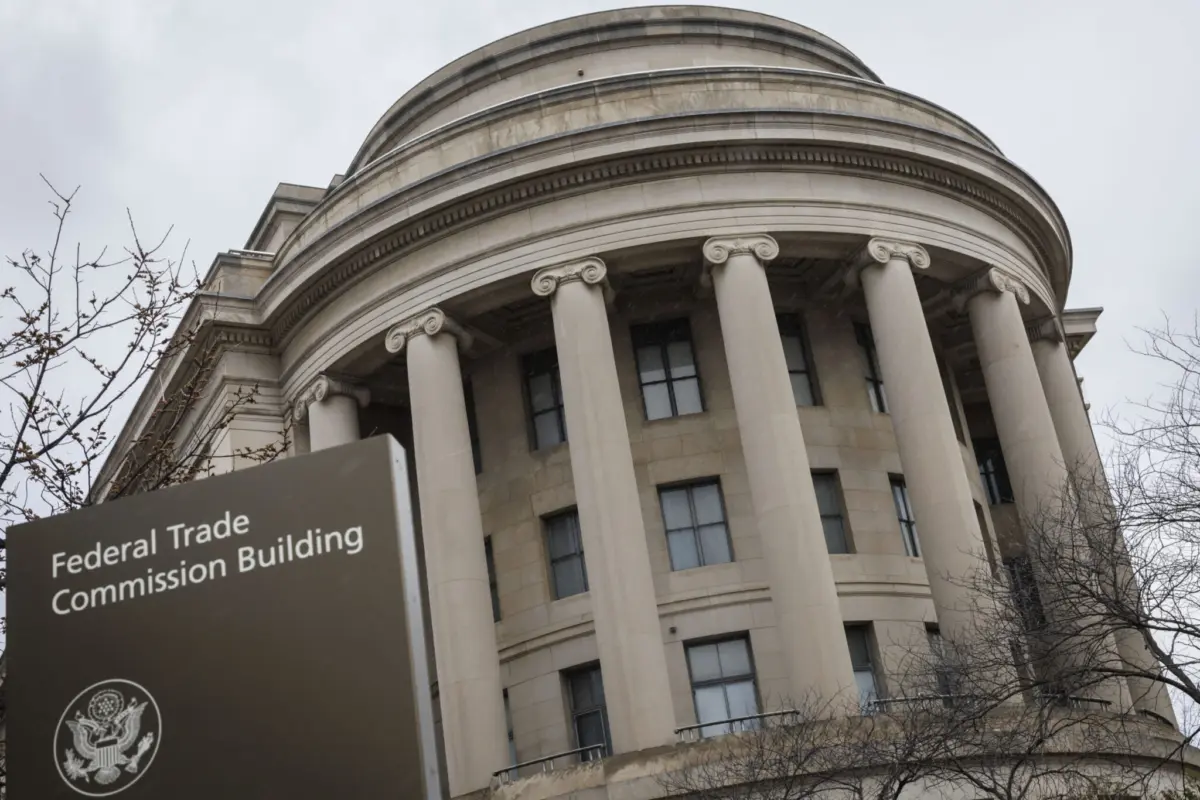
The United States Federal Trade Commission, joined by a coalition of 20 states, filed a major federal lawsuit on Monday against Dollar General Corp., accusing the nationwide discount retailer of routinely charging consumers at the register prices higher than those displayed on store shelves or advertised in promotional materials.
According to the lawsuit, filed in a Tennessee federal court, Dollar General operates an expansive retail footprint of more than 21,000 stores across the country. Federal and state enforcers allege that the company has overcharged shoppers by millions of dollars, running afoul of both federal and state consumer protection laws. The legal action outlines a protracted pattern of pricing discrepancies spanning from 2019 through March 2026. During this period, the systemic issues generated nearly 30,000 direct consumer complaints lodged with the company, pointing to what enforcers describe as pervasive and systemic pricing inaccuracies deeply embedded in the retailer’s operations.
"Rather than ensuring its prices at checkout are accurate, for years Dollar General avoided implementing safeguards to prevent continued overcharging, effectively shifting the burden of its own operational shortcomings onto the very communities and consumers who can least afford it," the complaint alleges.
Dollar General did not immediately respond to requests for comment regarding the lawsuit or the severe allegations leveled against its pricing practices.
The federal and state enforcement action highlights that the issues extend far beyond isolated or accidental register errors. Between 2019 and 2026, the discount retail giant previously entered into seven separate legal settlements across six different states regarding inaccurate pricing at its stores. Those prior enforcement actions resulted in the company paying a cumulative total of $6 million in penalties, yet, according to the new federal complaint, the underlying operational failures and pricing discrepancies persisted unchecked across its vast store network.
The lawsuit underscores the unique vulnerability of Dollar General’s core customer base. As a major discount retailer often serving low-income and rural communities where alternative shopping options may be scarce, the impact of recurring overcharges disproportionately affects shoppers living on tight household budgets. For consumers counting every dollar to afford basic household goods and groceries, unexpected discrepancies at the cash register can severely disrupt household finances.
Enforcers argue that despite possessing ample resources and clear legal obligations to maintain accurate pricing systems, the corporation failed to institute basic administrative and technological safeguards. Instead, the burden of catching these discrepancies fell heavily onto shoppers at the checkout counter, many of whom may not notice minor overcharges or may lack the time and resources to dispute them.
The involvement of the FTC alongside 20 individual state attorneys general signals a coordinated, high-stakes regulatory push against deceptive retail pricing practices nationwide. As the litigation gets underway in Tennessee federal court, the case puts national spotlight on the operational accountability of discount retailers and the critical importance of ensuring that the price a consumer sees on the shelf is precisely what they are charged at the register.











No comments yet. Be the first to join the conversation!