
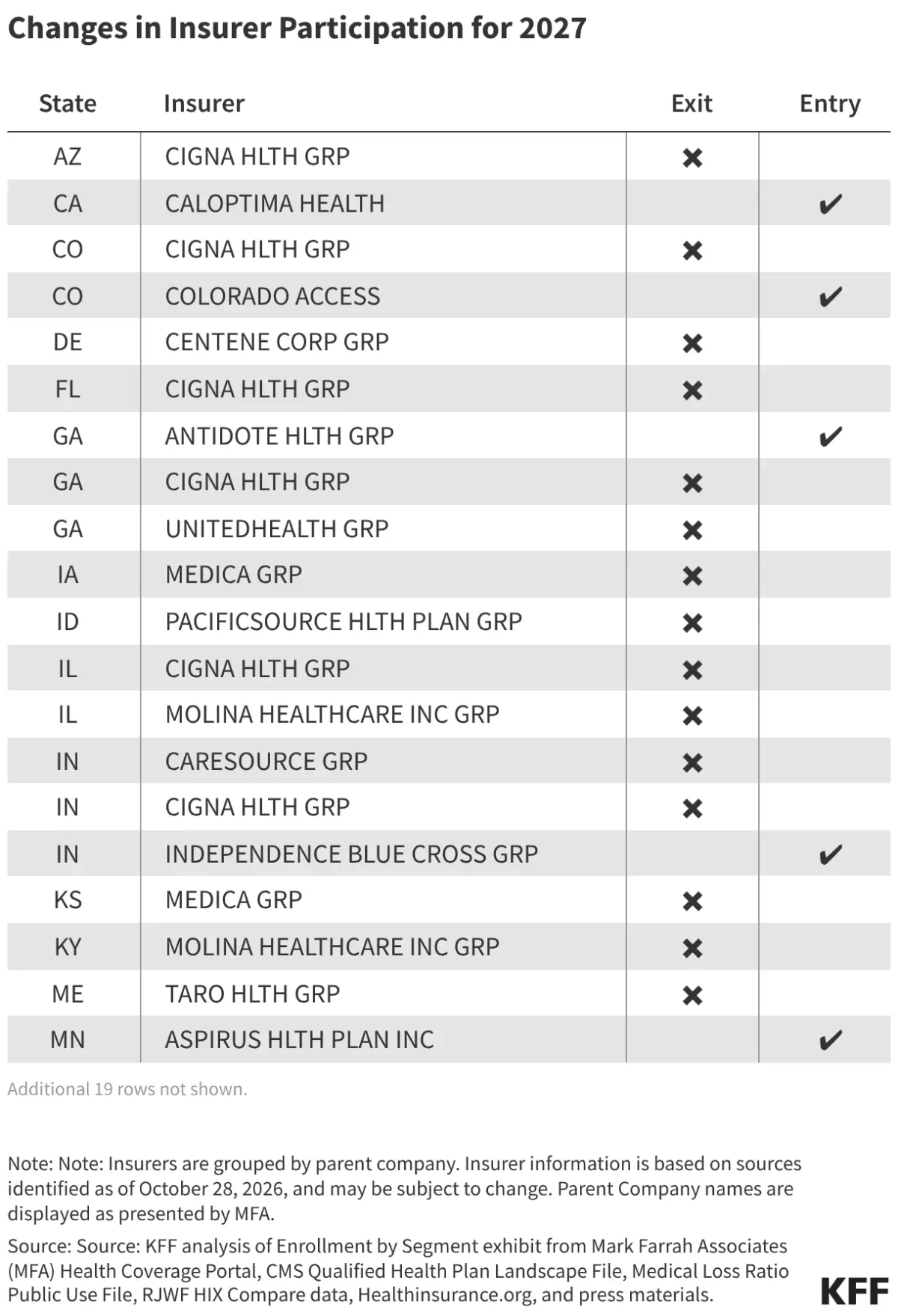
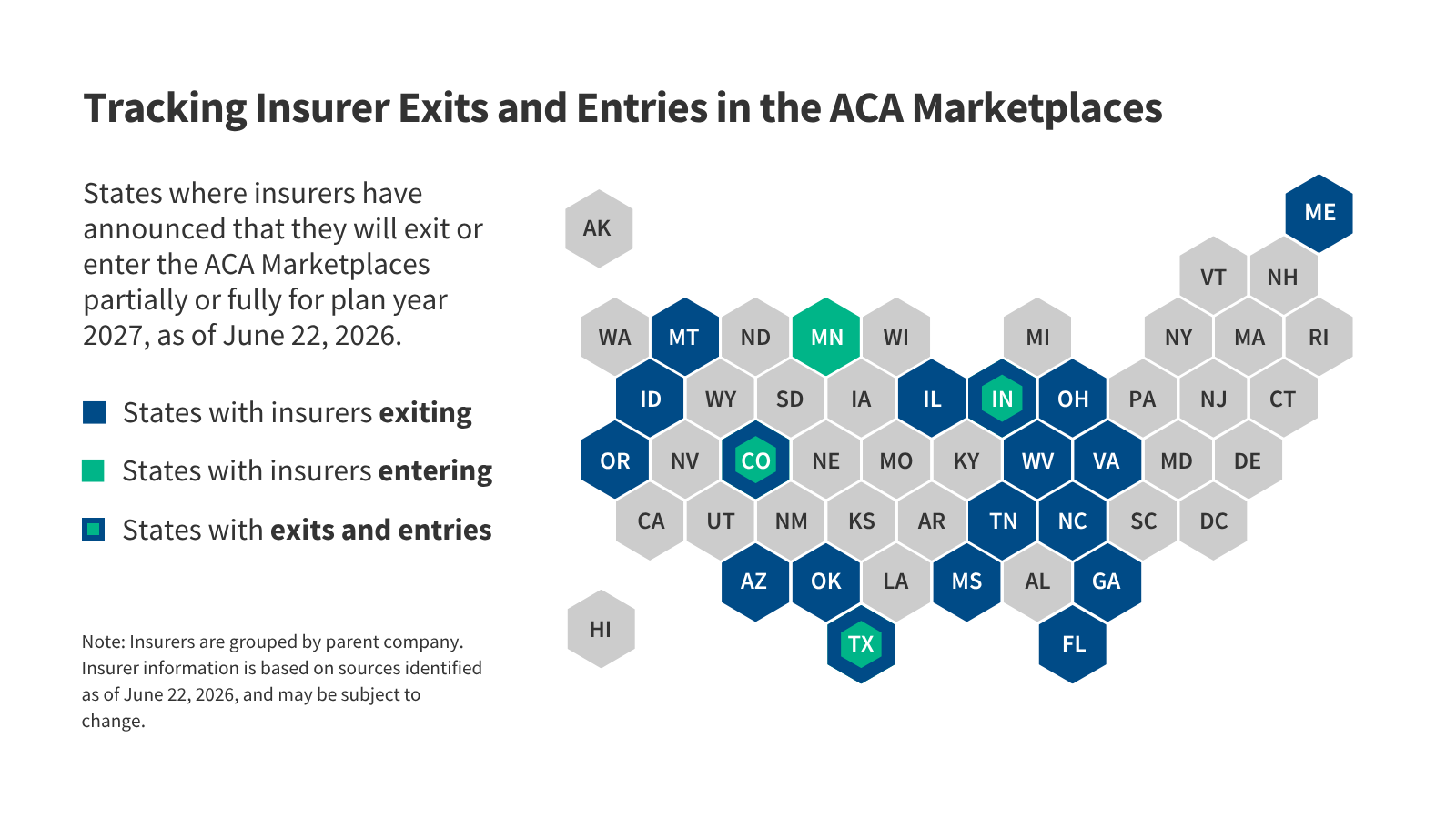
The landscape of the Affordable Care Act (ACA) Marketplaces is undergoing a significant transition as insurance carriers realign their strategies for the upcoming plan year. According to updated tracking data, a total of 11 carriers have officially announced that they will exit the ACA Marketplaces for the 2027 plan year, withdrawing either entirely or from specific state markets where they currently offer health plans. At the same time, seven carriers have bucked the trend by announcing plans to enter new state Marketplaces, highlighting a shifting and increasingly fragmented national insurance market.
These sweeping adjustments in insurer participation follow a turbulent period for the exchanges, most notably triggered by the expiration of enhanced premium tax credits at the end of 2025. The expiration of these crucial financial subsidies caused a sharp contraction in consumer participation, driving sign-ups down by over a million individuals during the transition from the 2025 to the 2026 Open Enrollment Periods. Furthermore, industry analysts and ongoing health policy tracking have indicated that further membership declines within the ACA Marketplaces are expected to unfold as the year progresses, putting additional pressure on health plans operating within the individual market.
The broader implications of these declining enrollment figures extend far beyond raw headcounts. Marketplace enrollment drops directly affect the overall size of the potential market available to insurers, while also raising critical concerns regarding the stability of the risk pool. Specifically, health policy experts note that as premiums rise without enhanced subsidies, healthier-than-average enrollees are statistically more likely to drop their coverage entirely, leaving behind a sicker and more costly risk pool for the remaining insurers to manage.
As people continue to leave the Marketplace, participating insurers are actively reassessing the long-term profitability and viability of maintaining their ACA Marketplace footprints, prompting some major players to pull out altogether. Among the most notable departures is Cigna, which has made the strategic decision to exit the individual market entirely by 2027. The move is designed to allow the company to redirect its resources and intensify its focus on core growth platforms across the broader enterprise.
In recent financial communications, leadership at The Cigna Group pointed to the shrinking nature and limited scale of their exchange business as a primary driver behind the withdrawal. Cigna, which reported first-quarter on-exchange enrollment of over 350,000 individuals, will officially exit the 11 states in which it currently participates across both on- and off-exchange individual markets.
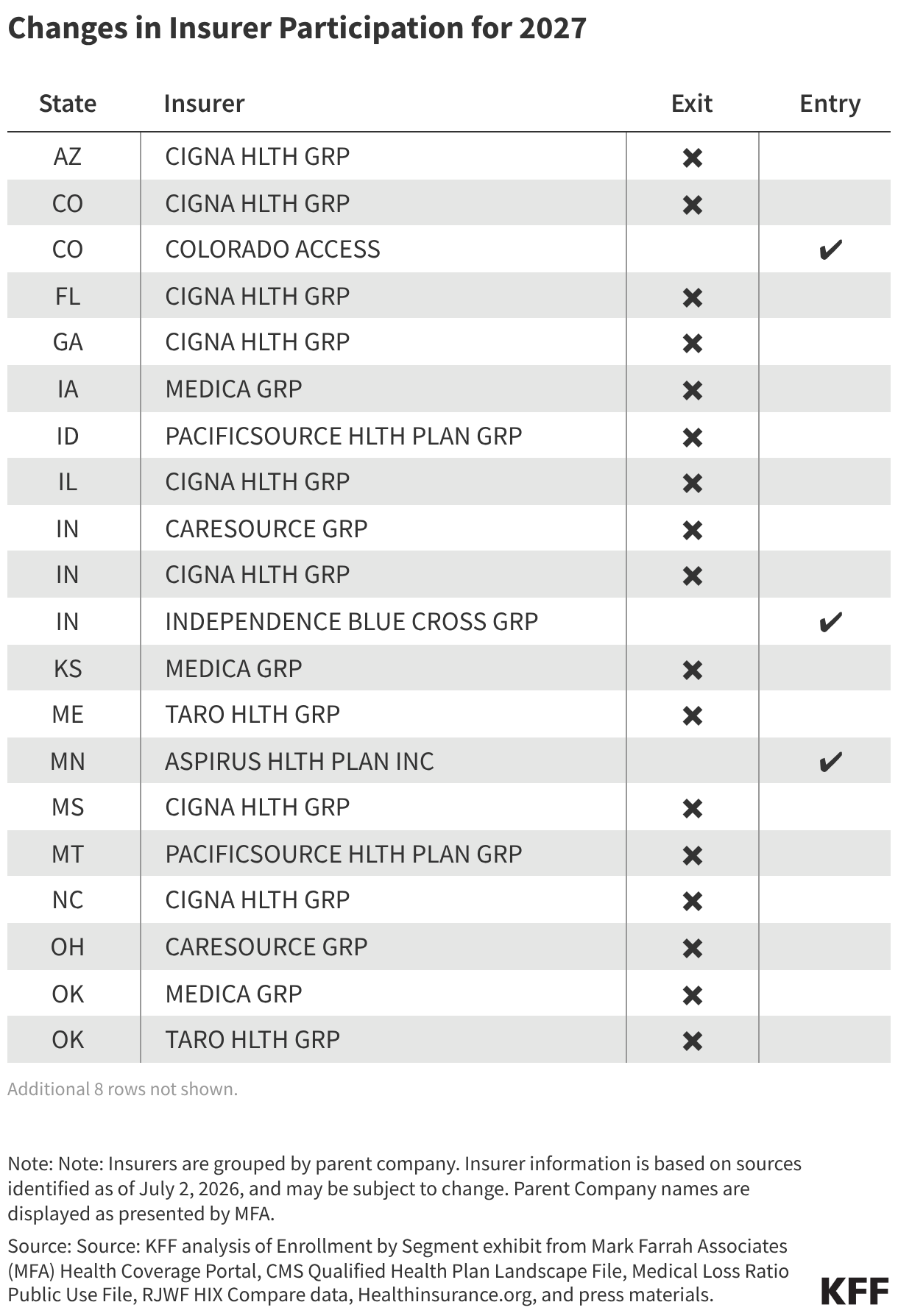
The departure of major carriers like Cigna carries profound localized consequences for consumers and healthcare markets alike. In several instances, multiple insurers are simultaneously announcing exits within the same state, amplifying the disruption. In states where fewer insurers continue to participate in the ACA Marketplaces, the remaining carriers will face significantly less competition. Consequently, consumers residing in these regions will be left with fewer health plan choices, potentially facing higher premiums, narrower provider networks, and reduced plan variety during future open enrollment cycles.
This shifting marketplace dynamic forms a critical backdrop for broader healthcare policy discussions nationwide. The ongoing transformations within the individual insurance market are drawing intense scrutiny from policymakers, healthcare analysts, and consumers alike as the healthcare sector adapts to a post-enhanced-subsidy environment. As part of its broader commitment to tracking these developments, this research and reporting contributes to ongoing analyses surrounding healthcare access, affordability, and the shifting priorities of major insurance carriers as they navigate an evolving regulatory and economic landscape.








No comments yet. Be the first to join the conversation!