
While these updated resources strive to offer accurate and timely insights, health experts continually emphasize that individual circumstances vary wildly. Consumers seeking tailored guidance are strongly encouraged to consult HealthCare.gov or their respective state-based health insurance marketplaces. As enrollment periods approach and financial calculations shift, understanding the mechanisms governing premium tax credits, income thresholds, and consumer protections remains paramount for anyone navigating the individual health insurance market.
What are premium tax credits and how do they work?
At the heart of affordable ACA coverage are premium tax credits, which serve to substantially lower monthly payments for the vast majority of Marketplace plans. The precise financial assistance an individual receives is directly tied to their household income and the prevailing cost of health insurance plans within their specific geographic region. When an application is processed, the Marketplace calculates an expected financial contribution that the enrollee is required to pay toward a mid-range benchmark plan, commonly known as a Silver plan.
This expected contribution operates on a sliding scale calibrated for the 2027 tax year. Enrollees with lower household incomes receive significantly more financial backing, while those with higher incomes contribute a larger share of the total premium. The exact tax credit is determined by calculating the difference between the actual cost of the regional benchmark plan and the applicant’s calculated expected contribution. Enrollees are never forced to pay more than the actual cost of the specific plan they choose, and this credit can be applied toward any Bronze, Silver, Gold, or Platinum tier plan offered through the Marketplace. However, these credits cannot be utilized to purchase Catastrophic plans.
Consumers have flexibility in how they claim these funds. Tax credits can either be claimed in a lump sum at the end of the tax year or taken in advance as monthly payments. Choosing an advance premium tax credit means the federal government directly subsidizes the insurance company each month, leaving the policyholder responsible only for the remaining balance. Because future income can be difficult to predict, applicants rely on estimates. When tax returns are filed the following year, the Internal Revenue Service reconciles the advance credits against actual reported earnings. Underestimating income can result in owing money back to the IRS, whereas under-claiming can lead to a retroactive refund. Reporting mid-year income changes directly to the Marketplace helps mitigate these discrepancies.
How much can I earn and qualify for premium tax credits in the Marketplace?
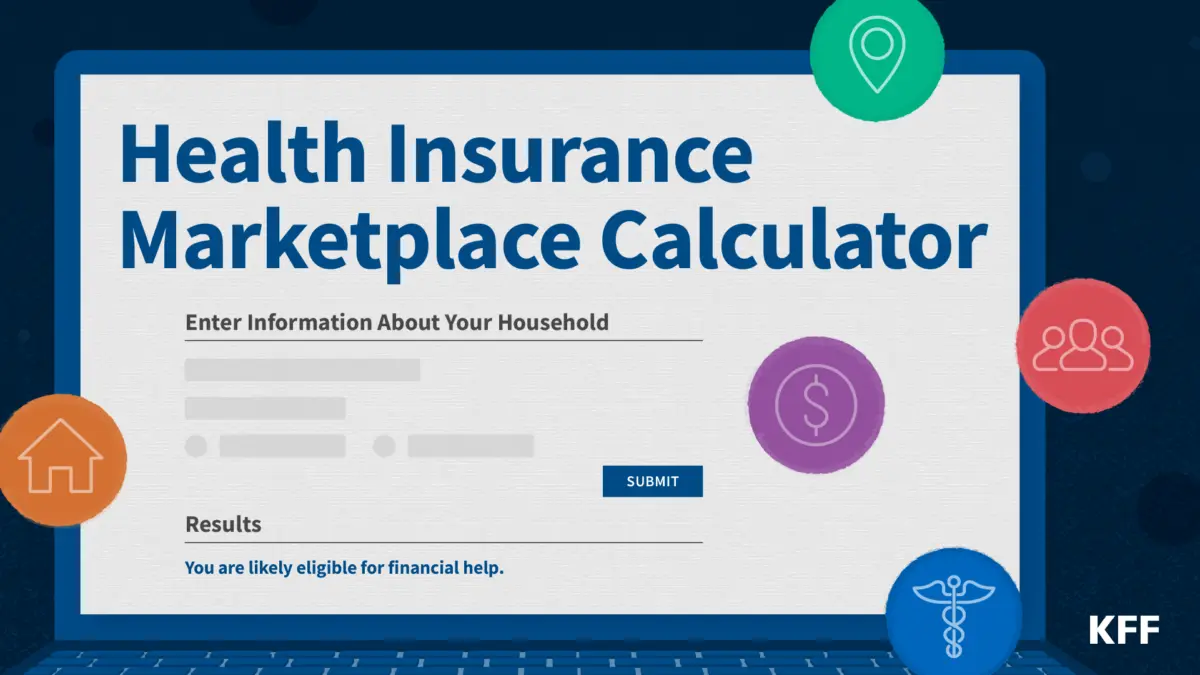
Financial assistance within the ACA infrastructure is not universally distributed; rather, eligibility for premium tax credits requires a household income that reaches at least the federal poverty level. Because poverty guidelines fluctuate based on household size and geographic adjustments, potential enrollees frequently utilize specialized online tools, such as the Marketplace subsidy calculator, to model different financial scenarios. These projections allow families and individuals to preview their potential eligibility brackets before formally committing to an enrollment path.
What income is counted in determining my eligibility for premium tax credits?
When the federal government or state exchanges evaluate whether an applicant qualifies for financial relief, they rely on a specific financial metric known as Modified Adjusted Gross Income, commonly abbreviated as MAGI. Understanding what constitutes MAGI is essential for accurate application submissions. The calculation generally takes an individual’s adjusted gross income and adds back certain foreign earned income, tax-exempt interest, and certain social security benefits. Reviewing comprehensive lists of qualifying income types helps prevent accidental miscalculations that could trigger financial audits or unexpected tax liabilities during the reconciliation process.
Who is eligible for Marketplace premium tax credits?
Eligibility for Marketplace premium tax credits is generally restricted to U.S. citizens and a defined subset of lawfully present immigrants who purchase coverage through the exchange and maintain an income equal to or exceeding 100% of the federal poverty level. For the 2027 plan year, this baseline equates to $15,960 for a single adult and $33,000 for a family of four.
However, significant policy adjustments set to take effect in 2027 mean that eligibility rules are tightening for various groups of lawfully present immigrants. Under updated budget provisions, many immigrant categories will lose access to subsidized Marketplace coverage, restricting premium tax credit eligibility primarily to specific, designated immigration statuses.
Furthermore, individuals must not have access to alternative public health coverage—such as Medicaid, the Children’s Health Insurance Program, Medicare, or military-backed healthcare—nor can they have access to an affordable, qualifying health plan through an employer. An employer-sponsored plan is deemed affordable only if the employee’s share of the premium does not exceed 10.22% of their household income for 2027, and the plan must satisfy strict minimum value standards. Individuals whose household income falls beneath 100% of the federal poverty level generally find themselves ineligible for standard Marketplace tax credits, though they are advised to explore alternative programs through their state agencies.
Can I buy health insurance outside of the Marketplace that meets all ACA consumer protection standards?
Consumers retain the freedom to purchase health coverage outside of the official ACA Marketplace. Many insurance carriers market plans that are identical to their exchange offerings and fully compliant with ACA consumer protection mandates. However, purchasing these plans directly from an insurer or broker means foregoing valuable premium tax credits and cost-sharing reductions.
ACA-compliant plans, regardless of whether they are purchased on or off the exchange, are legally required to cover essential health benefits. They are strictly prohibited from turning applicants away, charging higher rates, or capping coverage based on pre-existing medical conditions. These compliant policies can generally only be secured during the annual Open Enrollment period, unless a qualifying life event triggers a special enrollment window.
Conversely, the off-exchange market also hosts a variety of alternative products that do not meet ACA standards, such as short-term limited-duration policies and hospital indemnity plans. While these non-compliant options often feature lower upfront premiums, they can legally exclude individuals with pre-existing conditions and offer heavily restricted benefit packages. Consumers shopping outside the exchange are advised to explicitly confirm ACA compliance with their brokers to ensure they receive comprehensive consumer protections.
Evaluating employer-sponsored family coverage
A common dilemma facing modern workers involves the disparity between individual and family coverage costs. It is not uncommon for an employer to fully subsidize health insurance premiums for the primary employee while contributing nothing toward the cost of adding a spouse and dependents. In these scenarios, workers often evaluate whether transitioning family members to a Marketplace plan is a more economical choice. While the employee remains ineligible for tax credits due to the free individual workplace coverage, spouses and children may qualify for Marketplace subsidies if the out-of-pocket premium required to add them to the employer plan exceeds 10.22% of household income for the 2027 coverage year.
Managing plan cancellations and mid-year changes
Policyholders who find themselves needing to terminate their Marketplace coverage mid-year must follow proper protocols. Experts warn against simply halting monthly premium payments as a method of cancellation. While nonpayment will eventually result in termination, insurers may still pursue collection efforts for unpaid balances, and the federal government may continue disbursing advance tax credits to the insurer for an additional month. This administrative lag frequently results in unexpected tax repayment obligations when filing returns with the IRS. Consumers must formally notify either HealthCare.gov or their designated state-based marketplace to execute a proper cancellation.
Similarly, young adults navigating geographic relocations while remaining on their parents’ insurance policies face unique considerations. Dependents are generally permitted to remain on a parent’s job-based health plan until they turn 26, or through the end of the year they turn 26 if the parents maintain a Marketplace plan, regardless of state lines. However, regional provider networks can pose logistical challenges for individuals moving across the country. If local in-network care proves inaccessible, relocating individuals can leverage a 60-day special enrollment window to secure independent coverage tailored to their new home state.








No comments yet. Be the first to join the conversation!