
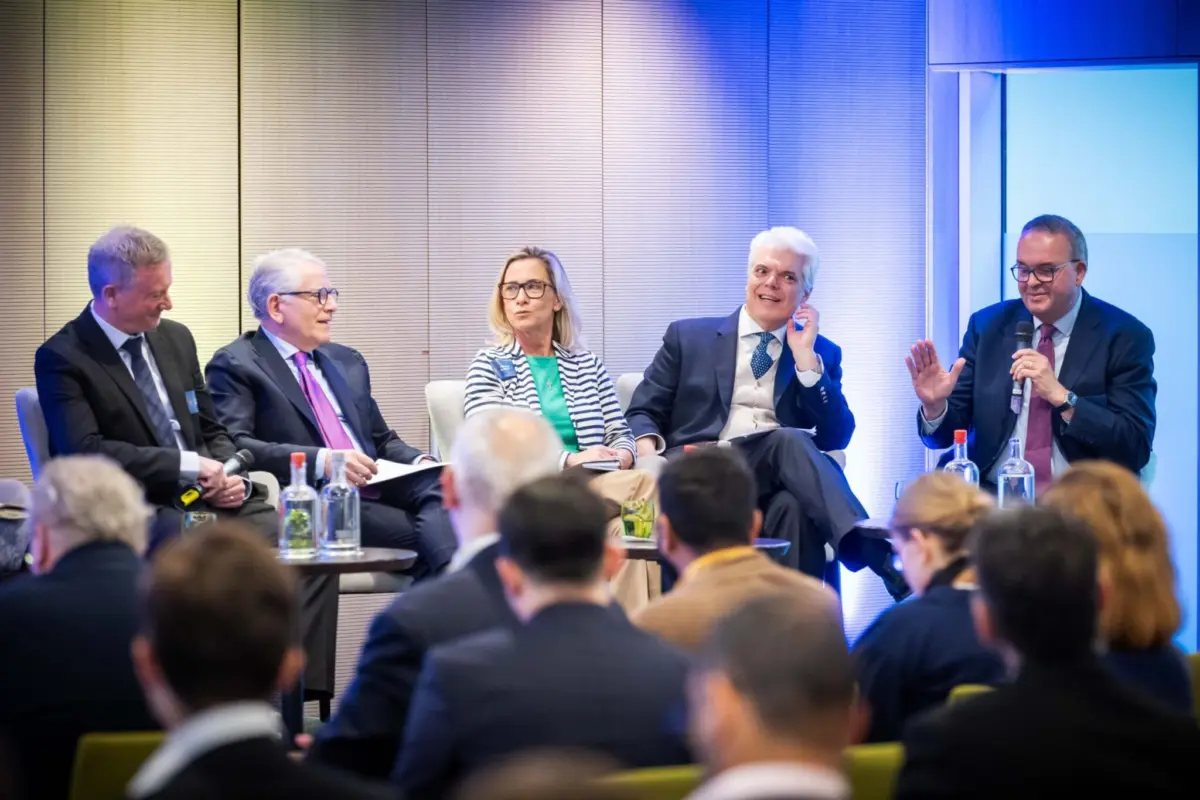
As global economic landscapes shift beneath the weight of rapid technological change, escalating trade tensions, and political transitions, tax professionals and policymakers find themselves at a critical crossroads. These pressing challenges formed the focal point of a major policy gathering, where industry leaders converged to dissect the multifaceted future of fiscal policy. From the seismic disruptions promised by artificial intelligence to the shifting sands of European Union legislation and international trade dynamics, the discussions painted a comprehensive picture of an international tax regime in profound transition.
The agenda reflected the complex realities of modern governance and corporate strategy. Attendees delved deep into the intersection of emerging technologies and fiscal structures, evaluated the domestic implications of shifting political leadership in Europe, and analyzed the broader geopolitical currents reshaping global investment patterns.
Keynote: AI, Disruption, and the Future of Tax
Opening the proceedings, the keynote address directly confronted the elephant in the room for modern economies: artificial intelligence, systemic disruption, and the future of tax. As algorithms and automation redefine the boundaries of modern industry, foundational questions are being raised about traditional models of taxation. The discussion centered heavily on labor revenue, examining how the displacement or augmentation of human workforces by AI and advanced automation might alter income tax bases and social security contributions over the coming decades.
Furthermore, speakers explored how technological innovation intersects with corporate competition. In an era where digital business models allow companies to generate immense value with minimal physical footprints, traditional nexus rules and tax allocation frameworks face unprecedented strain. The keynote framed these developments not merely as compliance challenges, but as fundamental shifts that will require tax administrations and policymakers to rethink how revenue is collected, how labor is valued, and how national tax systems can maintain integrity and fairness while fostering technological progress.
Session 1: How Elections Will Shape French Tax Policy
Shifting from technological disruption to domestic political reality, the first session—conducted in French—tackled the immediate and long-term consequences of political leadership changes on the French fiscal landscape. Discussions focused intently on how a newly elected president’s tax agenda will actively shape the national budget while simultaneously aligning with, or challenging, broader European Union priorities.
For France, balancing domestic social demands with fiscal discipline remains a perennial tightrope walk. Policymakers and experts in the session debated the strategic avenues available to the government to enhance national economic competitiveness. This involved a critical look at corporate tax burdens, incentives for innovation, and the perennial challenge of attracting foreign investment while maintaining public services. The dialogue underscored the delicate feedback loop between national elections and supranational commitments, noting that any domestic tax overhaul in Paris inevitably sends ripples through the wider eurozone framework.
Session 2: The Latest on EU Tax Policy
Moving from national capitals to Brussels, the second session provided a comprehensive, high-level update on the rapidly evolving architecture of European Union tax policy. The regulatory landscape at the European level is currently experiencing a historic wave of reform, touching nearly every aspect of fiscal governance, transparency, and compliance.
Delegates received detailed updates on the Multiannual Financial Framework (MFF) and the ongoing discussions surrounding new own resources for the EU budget, which are increasingly tied to environmental and digital levies. The agenda also covered the intricacies of the Omnibus package, designed to streamline and harmonize various regulatory reporting requirements, alongside the latest developments regarding the Directive on Administrative Cooperation (DAC) recast, which continues to expand the scope of information sharing among tax authorities.
Progress on Pillar One of the international tax reform agreement—aimed at reallocating taxing rights over the largest multinational enterprises to market jurisdictions—was scrutinized for its feasibility and timeline. Additionally, the session addressed the Mobility Map, providing participants with strategic foresight into how cross-border workforce movements and remote working frameworks will be handled under upcoming EU-wide administrative guidelines.
Session 3: Investment and Competition in an Era of Trade Wars
The final session broadened the lens to examine global macroeconomic friction, focusing on investment and competition in an era defined by intensifying trade wars and geopolitical fragmentation. As protectionist measures and rising tariffs threaten to dismantle decades of integrated supply chains, multinational corporations are forced to re-evaluate their global footprints.
Against this turbulent backdrop, the session analyzed the evolving role of foreign direct investment (FDI). Particular attention was paid to how FDI interacts with the implementation of Pillar Two—the global minimum corporate tax framework—and the rising tide of retaliatory tariffs. Experts debated whether the global minimum tax acts as a stabilizing force against a race to the bottom, or if it complicates the competitive positioning of jurisdictions utilizing traditional tax incentives. Ultimately, the discussion sought to define what healthy, sustainable tax competition looks like in a fractured global economy where national security and industrial policy increasingly dictate trade and investment decisions.











No comments yet. Be the first to join the conversation!