
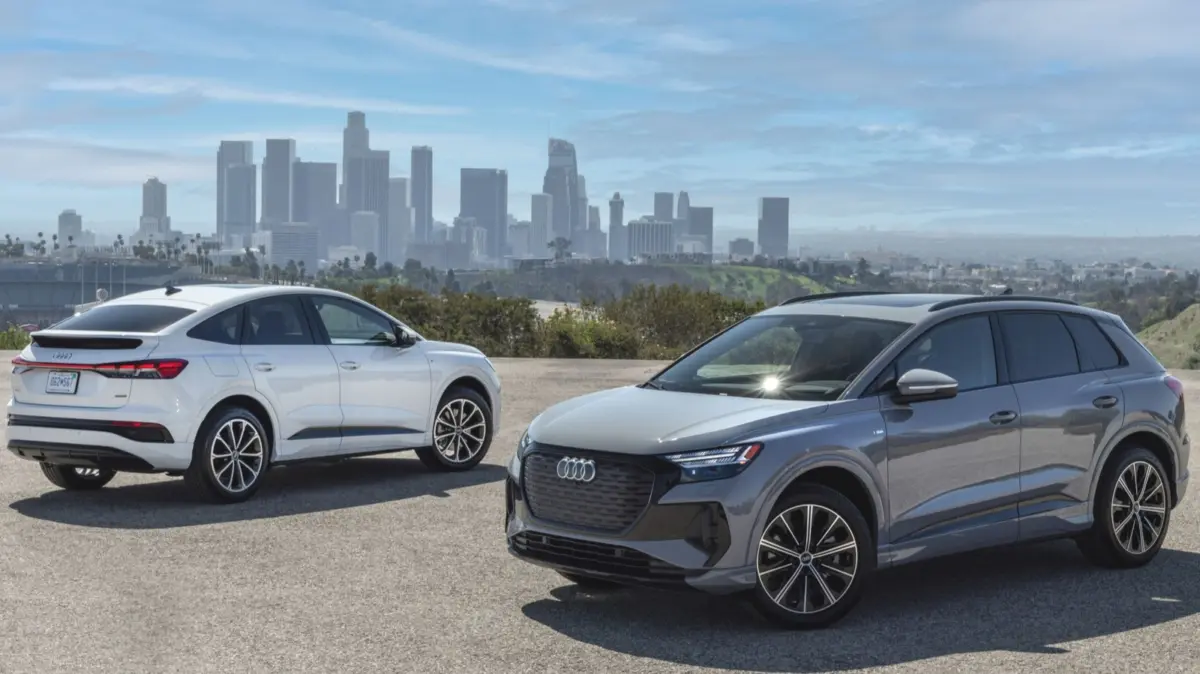
Volkswagen Group is facing renewed scrutiny regarding the safety of its electric vehicle lineup following a sweeping battery-related recall that impacts tens of thousands of popular electric crossovers in North America. The automotive conglomerate has issued urgent warnings advising owners of specific Volkswagen ID.4 and Audi Q4 e-tron models to refrain from charging their high-voltage batteries beyond 80 percent of their maximum capacity, citing a risk of thermal propagation and potential spontaneous combustion.
The safety advisory highlights the growing complexities and unique challenges automakers face as electrification scales up across global markets. For Volkswagen, a company already navigating a delicate financial landscape marked by profitability pressures and corporate restructuring, the recall compounds a series of recent operational hurdles. While EV battery safety recalls have become an unfortunate reality of the modern automotive industry—affecting nearly every major manufacturer from General Motors to Nissan—each new incident serves as a stark reminder of the rigorous safety thresholds required as alternative-fuel vehicles become mainstream.
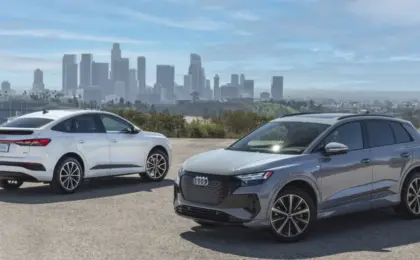
According to federal regulatory filings submitted to the National Highway Traffic Safety Administration, the scope of the recall is substantial. Audi is recalling a total of 9,048 vehicles from the 2024 and 2025 model years, split between 2,008 units of the Q4 Sportback e-tron and 7,040 units of the standard Q4 e-tron. Meanwhile, its corporate parent, Volkswagen, is orchestrating a much larger recall campaign encompassing 22,524 units of the ID.4 electric crossover spanning the 2023 through 2026 model years.
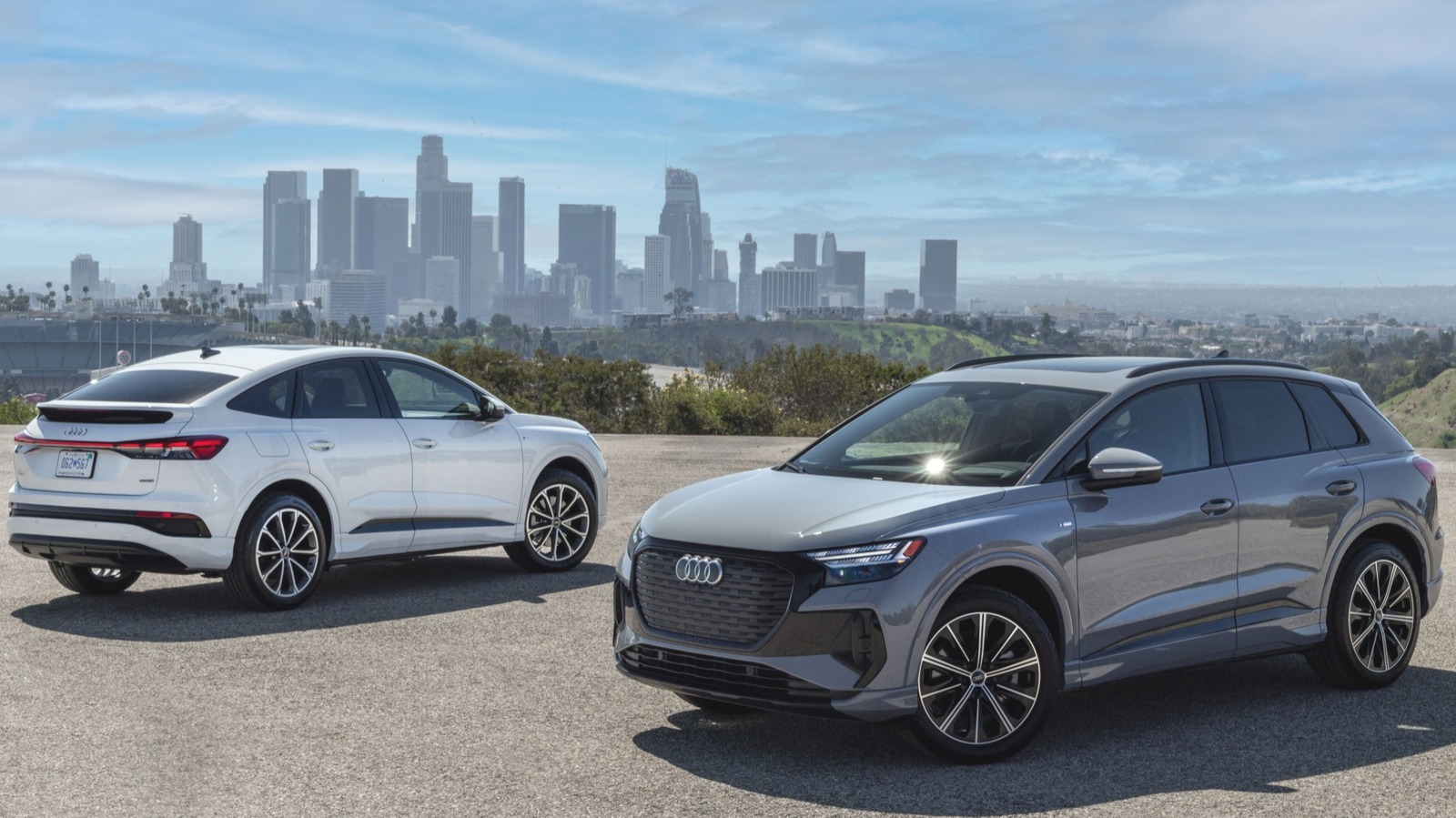
At the center of the issue is a suspected defect within the high-voltage battery architecture. At this stage, the exact root cause of the potential fires remains under investigation by engineers at both Volkswagen and Audi. Initial risk assessments suggest that only a minuscule fraction—roughly 0.1 percent—of the total vehicles included in the recall population are actually expected to harbor the physical defect. However, because lithium-ion battery fires present severe and immediate safety hazards, both automakers are implementing broad, proactive measures to mitigate potential danger while engineering solutions are developed.
Neither Company Issued a "Do Not Drive" or "Park Outside" Warning
Unlike some of the most severe historical EV recalls—such as those involving earlier generations of Chevrolet Bolt models, where owners were famously instructed to park their vehicles away from structures and avoid charging indoors overnight—neither Volkswagen nor Audi has gone so far as to issue a formal "do not drive" directive or a mandatory outdoor-parking advisory.
Instead, the primary precaution communicated to owners is a strict adherence to the 80 percent state-of-charge ceiling. According to official recall reports filed with NHTSA, maintaining a battery state of charge above the 80 percent threshold under certain conditions may trigger thermal propagation within the high-voltage battery system, creating an elevated risk of fire.
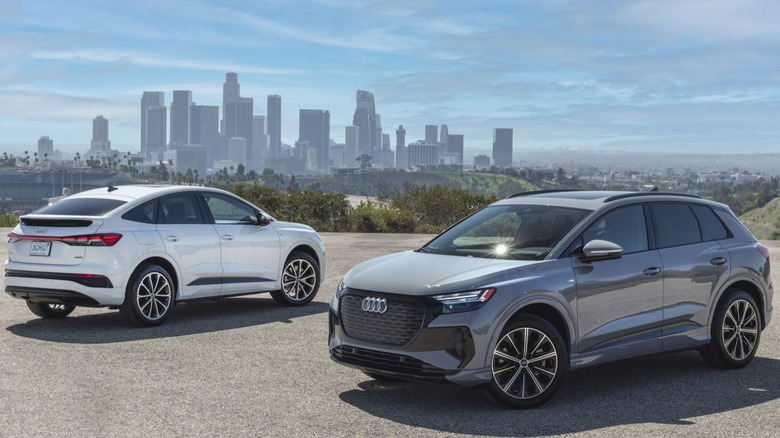
The two brands have taken notably different approaches in how they enforce and communicate this safety restriction to their customer base. Volkswagen moved swiftly to deploy an over-the-air software update to all affected ID.4 vehicles. This remote update automatically limits the vehicles’ maximum charging capacity to 80 percent, though affected owners were granted a brief window of approximately one week to opt out of the forced limitation if they chose to do so.
Audi, conversely, has not yet deployed a similar forced-limit software fix for Q4 e-tron owners at the time of publication, nor is the brand currently aware of any actual fire incidents involving the Q4 e-tron connected to this specific defect. Volkswagen, however, has reported a paper trail of concern, acknowledging that it is aware of 22 claims or field incidents related to the recall condition occurring between January 2024 and August 2026.
As both divisions work to formulate a permanent mechanical or software remedy, logistical measures are being rolled out to bridge the gap. Volkswagen has begun shipping physical dashboard and charging-port warning stickers to affected ID.4 owners, designed to serve as a manual reminder to vehicle operators and charging attendants to halt energy replenishment before the 80 percent mark is reached.
Official notification letters are scheduled to roll out on staggered timelines. Volkswagen anticipates completing owner notifications for the ID.4 recall by November 27, while Audi Q4 e-tron owners can expect to receive their official notices by December 18. In the interim, vehicle owners seeking immediate clarity on whether their specific crossover is encompassed by the safety campaign are encouraged to utilize the public VIN lookup tool hosted on the official NHTSA website.






No comments yet. Be the first to join the conversation!