
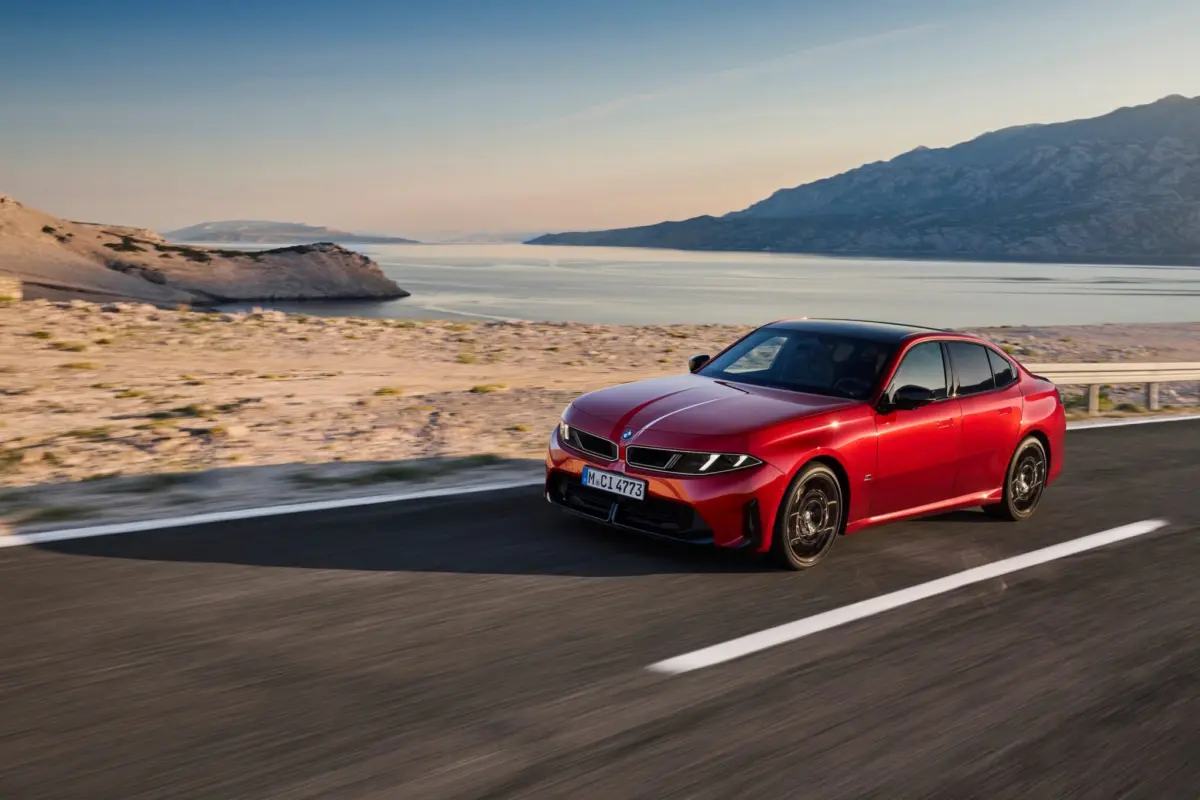
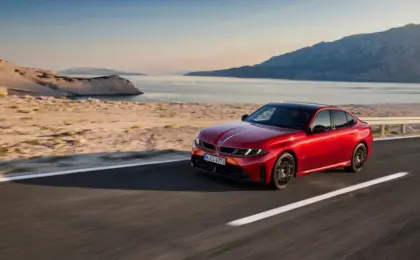
BMW is ushering in a brand-new generation for its most iconic and recognizable sports sedan. The legendary 3-series enters the 2027 model year wearing a handsome, thoroughly refreshed exterior design and sporting a revolutionary, tech-forward interior architecture. Known for decades as the benchmark of compact luxury sport performance, this latest iteration aims to maintain its crown while embracing the future of automotive digitalization and powertrain engineering.

At launch, the 2027 BMW 3-series relies on a familiar yet refined foundation under the hood while completely rethinking how driver and machine interact inside the cabin. A turbocharged 2.0-liter four-cylinder engine serves as the standard powerplant for the 330 models, generating 255 horsepower. For buyers seeking a heavier dose of performance, the top-tier M350 model steps up to a turbocharged 3.0-liter inline-six engine that churns out an impressive 437 horsepower. Early test drives of the M350 have yielded high praise, highlighting the inline-six’s effortless power delivery and the vehicle’s remarkably planted, responsive handling dynamics.
While the exterior styling introduces crisp lines and an athletic stance, the true showstopper of the 2027 3-series is its cabin. BMW has dramatically decluttered the interior layout, moving the vast majority of physical climate and vehicle controls directly into the central touchscreen interface. Replacing the traditional gauge cluster traditionally mounted behind the steering wheel is a wide, narrow projection display running horizontally across the very top of the dashboard at the base of the windshield. While this unique panoramic projection setup requires a brief adjustment period for returning BMW drivers, it successfully places critical travel metrics—such as vehicle speed and turn-by-turn navigation directions—directly into the driver’s natural line of sight.

What’s New for 2027?
Aside from the aggressive exterior redesign and the futuristic interior overhaul, the fundamental philosophy of the 3-series remains unchanged. The vehicle retains the razor-sharp sports-sedan attitude that enthusiasts have celebrated for generations. For shoppers weighing their options, automotive experts note that because the core driving dynamics and mechanical foundations closely mirror recent prior iterations, buyers comfortable with a lightly used car might also consider shopping pre-owned models from the previous one to three years to secure a factory warranty while saving significantly compared to a brand-new purchase.

Engine, Transmission, and Performance
The powertrain lineup for the 2027 BMW 3-series caters to both efficiency-minded daily drivers and performance enthusiasts. The entry-level 330 variant utilizes a turbocharged four-cylinder engine pumping out 255 horsepower. It pairs exclusively with a smooth-shifting eight-speed automatic transmission and sends power to the rear wheels by default, though BMW’s intelligent all-wheel-drive system (xDrive) remains available as an option.

Stepping up to the performance-oriented M350 brings the turbocharged 3.0-liter inline-six engine to the table, boosting output to 437 horsepower. The M350 comes standard with all-wheel drive, which incorporates a specialized performance setting called Drift Moment mode. This function temporarily routes 100 percent of the engine’s power exclusively to the rear wheels, allowing drivers to engage in spirited, controlled handling maneuvers on closed courses. Early track evaluations of the M350 confirm that its chassis tuning is exceptionally balanced, though testing data for the four-cylinder 330 variants will arrive at a later date.
When it comes to acceleration, the outgoing M340i model historically sprinted from zero to 60 miles per hour in a blistering 3.7 seconds during rigorous testing. Given the substantial power bump in the new M350, automotive analysts expect the latest flagship trim to effortlessly outperform BMW’s internal factory acceleration estimates.

Interior, Comfort, and Cargo
Inside the cabin, the first row of the 2027 BMW 3-series showcases a minimalist design ethos. The central console features a clean toggle-switch shift lever nestled neatly behind a pair of convenient cup holders and a dedicated wireless smartphone charging pad. Traditional analog or standalone digital instrument clusters behind the steering wheel have been completely omitted in favor of the sweeping panoramic windshield projection display.

Occupants in the second row will find a cabin that punches above its weight class for the compact luxury segment. Rear-seat legroom is generous enough to accommodate two adult passengers comfortably without forcing them shoulder-to-shoulder, though packing three adults abreast for a long journey remains a tight squeeze. A convenient flip-down center armrest provides integrated elbow support, while dedicated air vents mounted on the rear of the center console ensure proper climate control distribution for back-seat passengers.
For cargo utility, the 3-series offers a practical 15 cubic-foot trunk that easily swallows road trip luggage, golf bags, or weekly grocery hauls. For larger items, the rear seatbacks feature a split-folding mechanism that expands the overall carrying capacity when needed.

Infotainment and Connectivity
Connectivity is front and center in the 2027 3-series. The dash-mounted infotainment touchscreen measures a massive 17.9 inches diagonally and is canted subtly toward the driver for effortless ergonomics. It operates in tandem with the panoramic windshield projection display, creating a cohesive digital ecosystem that projects speed, route guidance, and trip summaries across the lower edge of the glass.

The system allows users to customize their display layouts seamlessly. Up to six distinct widgets can be transferred from the central touchscreen to the windshield projection system using an intuitive drag-and-drop interface, with additional menu navigation handled via haptic steering wheel controls. A high-definition head-up display is available as an option, alongside advanced digital key technology that allows leading smartphones and smartwatches to serve as the vehicle’s primary ignition key. Audio duties are handled by a standard seven-speaker stereo, while audiophiles can upgrade to an immersive Harman/Kardon sound system.
Safety and Driver-Assistance Features

BMW equips the 3-series with an essential suite of standard driver-assistance technologies, including automated emergency braking and lane-keeping assistance. However, more advanced semi-autonomous systems require additional package selections. Among these high-end options are a comprehensive self-parking assist function and an advanced hands-free driving mode designed to reduce fatigue on long highway excursions. Official crash-test evaluations and structural safety ratings for the new generation can be reviewed directly through the National Highway Traffic Safety Administration (NHTSA) and the Insurance Institute for Highway Safety (IIHS) portals.
Warranty and Maintenance Coverage

BMW’s standard warranty packaging remains competitive within the luxury sector, aligning closely with direct German rivals such as Audi and Mercedes-AMG by offering standard four-year or 50,000-mile limited and powertrain coverages. Where BMW continues to hold an advantage over much of its primary competition is in its complimentary scheduled maintenance plan, which provides longer coverage terms to offset early routine service costs for new vehicle owners.






No comments yet. Be the first to join the conversation!