

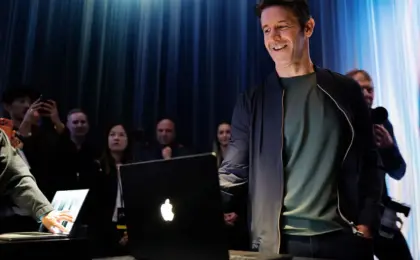
Apple’s leadership transition has brought a fresh perspective to the company’s ongoing strategy in the artificial intelligence sector. In a recent, wide-ranging interview with Steven Levy of Wired, newly appointed Apple CEO John Ternus offered a robust defense of the tech giant’s current standing in the competitive and fast-moving AI landscape. The conversation addresses long-standing criticisms that Apple has lagged behind industry rivals in deploying advanced artificial intelligence capabilities—a narrative that has persisted as the company navigated delays in rolling out its next-generation, more powerful version of Siri.
The discussion sheds light on how Apple plans to balance its measured approach to technological development with mounting consumer and market expectations. Ternus, a longtime company executive who officially stepped into the chief executive role at the beginning of September following a major executive shuffle, addressed the public perception head-on. Acknowledging that external observers hold varied perspectives on Apple’s timeline and methodology, Ternus expressed confidence in the company’s trajectory, stating clearly that he really likes where Apple is positioned today.
The debate over Apple’s AI timeline has been a central theme in tech industry discourse over the past couple of years. Rivals in the smartphone and software spaces have aggressively rolled out complex generative models, cloud-based assistants, and standalone AI features. Meanwhile, Apple faced distinct hurdles, notably the delayed release of its overhauled, more conversational, and context-aware iteration of Siri. That much-anticipated upgrade finally made its way to consumer devices this summer, offering a more integrated experience across the company’s hardware ecosystem. Yet, analysts and commentators have continued to scrutinize whether Apple’s cautious rollout represents a missed opportunity or a calculated strategy to prioritize user trust and system stability.
During his conversation with Levy, Ternus emphasized that Apple’s methodical pace is entirely deliberate. He stressed that the company is fully committed to integrating artificial intelligence deeply into its upcoming product lineups, noting that Apple is absolutely going to leverage AI to enhance user experiences. However, he drew a sharp distinction between implementing technology for marketing purposes versus delivering genuine utility. Apple, according to its new chief executive, has no intention of shipping features simply for the sake of checking a box in an industry trend.

This philosophy reflects a recurring theme in Apple’s corporate history: prioritizing seamless integration over rushing nascent technologies to market. Ternus elaborated on this design philosophy, explaining that when Apple successfully incorporates intelligent software into its ecosystem, users should not feel burdened by the mechanics behind the feature. In an ideal user experience, people will not have to stop and actively think about whether an automated action, recommendation, or workflow was powered by advanced artificial intelligence or traditional, deterministic software code. Instead, the ultimate metric of success remains whether the company has built a product that consumers genuinely love to use in their daily lives.
The interview also touched upon broader philosophical questions regarding the future of consumer technology, software development, and human interaction. As artificial intelligence models evolve from conversational chatbots into autonomous agents capable of executing multi-step tasks across apps and services, industry experts have begun to question the long-term viability of the traditional application grid. Some futurists and technologists predict that powerful AI agents could eventually render traditional software applications largely unnecessary, acting as a universal intermediary between the user and digital services.
When pressed by Levy on whether the rise of autonomous agents could fundamentally disrupt Apple and its tightly integrated software ecosystem—potentially making apps obsolete—Ternus offered a measured and distinctly human-centric response. While acknowledging that such a shift could theoretically streamline certain digital tasks and make everyday life exceptionally convenient, he pivoted back to the core ethos of Apple as a creator of physical and digital products. The creation of hardware, software, and integrated experiences, Ternus noted, is a deeply human and personal endeavor—something that the teams at Apple fundamentally love to do.
This perspective underscores Apple’s dual commitment to evolving its software intelligence while preserving the tactile, aesthetic, and functional qualities that define its hardware and operating systems. As Ternus settles into his tenure as chief executive, navigating the complexities of the artificial intelligence era will undoubtedly remain one of his defining challenges. By balancing the demands for rapid innovation with the company’s traditional emphasis on polish, user privacy, and harmonious ecosystem design, Apple is signaling that it intends to chart its own course through the AI landscape, focusing on long-term value over short-term industry hype.







No comments yet. Be the first to join the conversation!