
For decades, individual investors navigating the complexities of the U.S. equities market have found themselves locked in a perennial debate: should capital be deployed into an S&P 500 index fund or a total stock market index fund? Whether examining exchange-traded funds like Vanguard’s VOO and VTI or their mutual fund counterparts, VFIAX and VTSAX, the question has long been a source of analysis and hesitation for both novice and seasoned market participants.
Yet, experienced investors and market commentators argue that the anxiety surrounding this choice is largely misplaced. While the differences between the two categories are frequently scrutinized, the practical reality of their underlying mechanics, historical trajectories, and ultimate performances suggests a remarkably simple truth: for the vast majority of long-term investors, the choice matters very little.
To understand why, it is helpful to examine the foundational elements of these funds, looking closely at portfolio composition, historical volatility, asset weighting, and performance data spanning decades. While the analysis focuses primarily on Vanguard’s massive fund offerings—each boasting assets exceeding $1 trillion and ultra-low expense ratios of just 3 basis points, or 0.03%—the fundamental principles apply broadly across the entire index fund landscape, regardless of the issuing brokerage family.
Portfolios and Investment Style
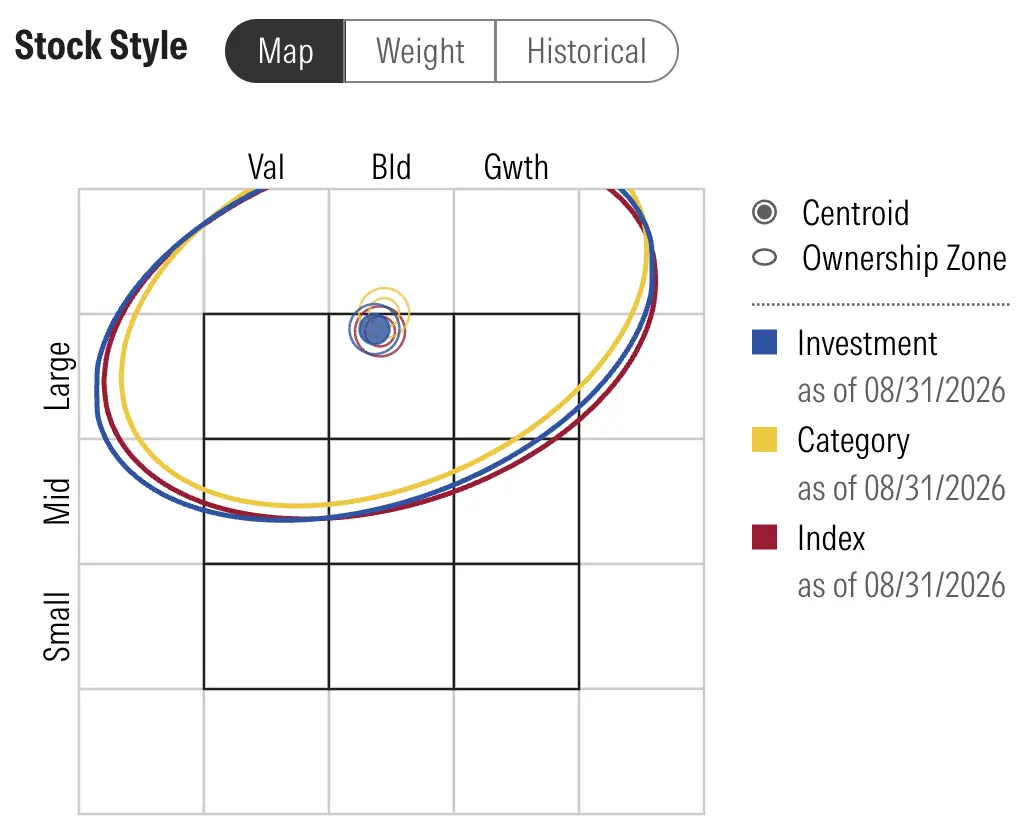
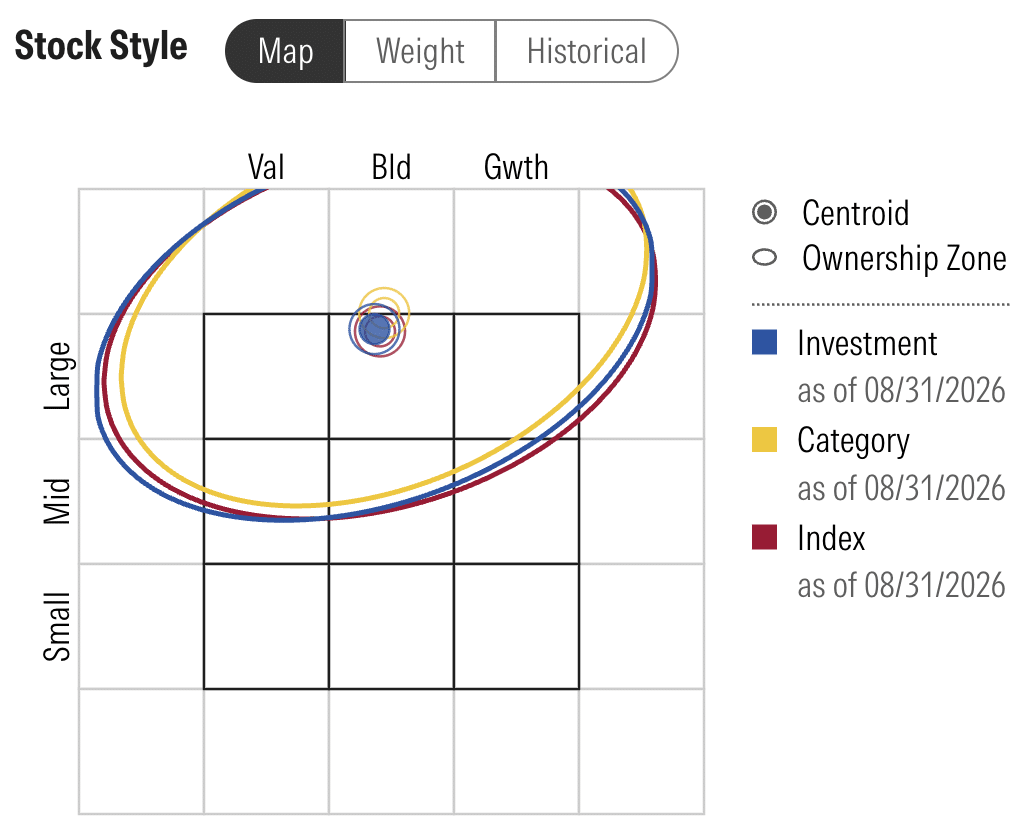
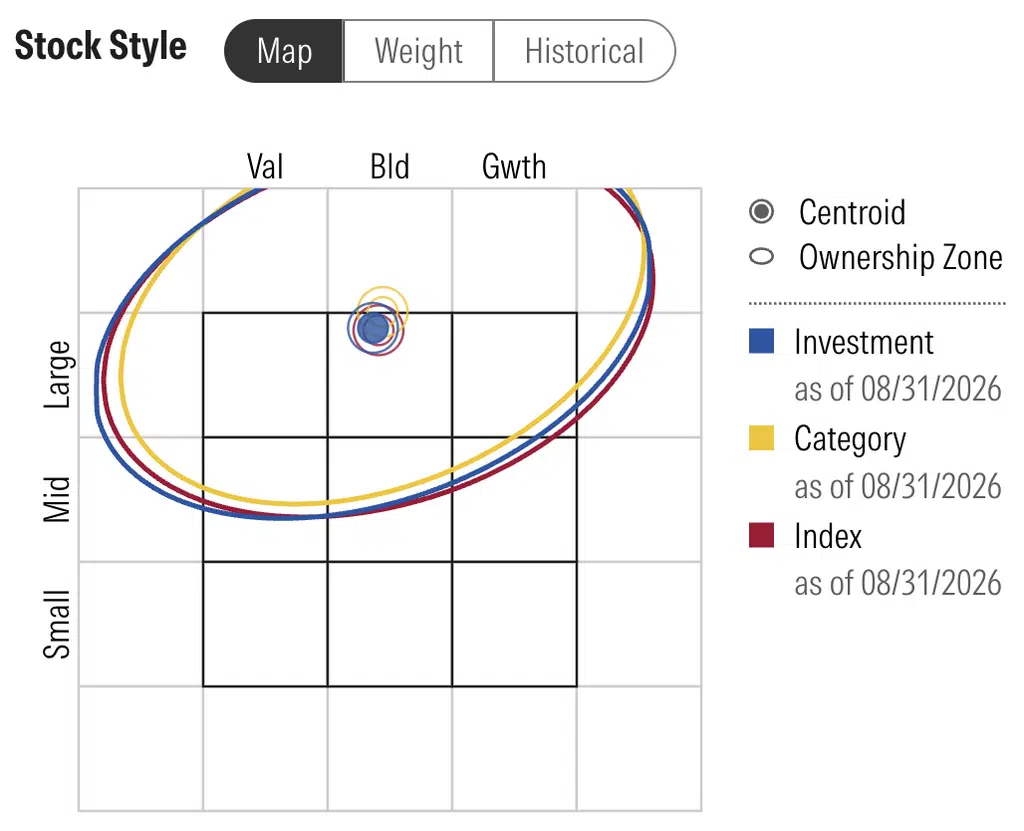
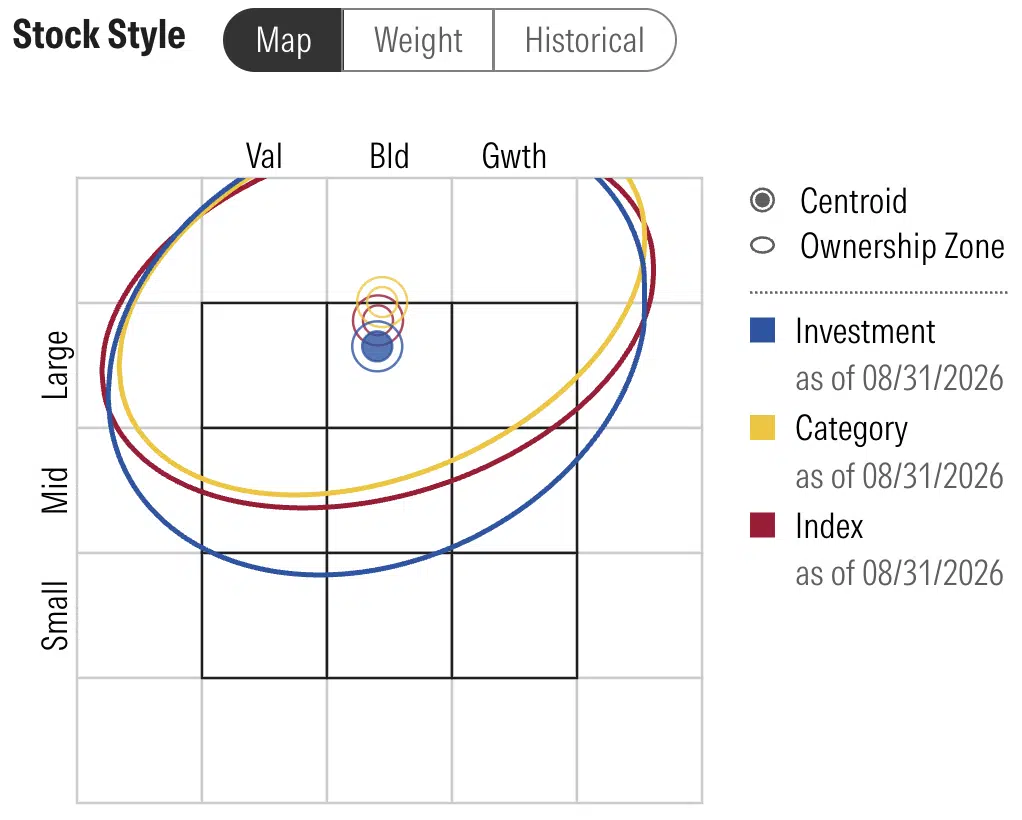
At first glance, both the S&P 500 index and the total stock market index appear remarkably similar. Utilizing standard market classification tools such as Morningstar’s style grid, both VOO and VTI are categorized as large-cap blend core funds. Their heavy concentration in large-cap domestic corporations forms the bedrock of their investment strategies.
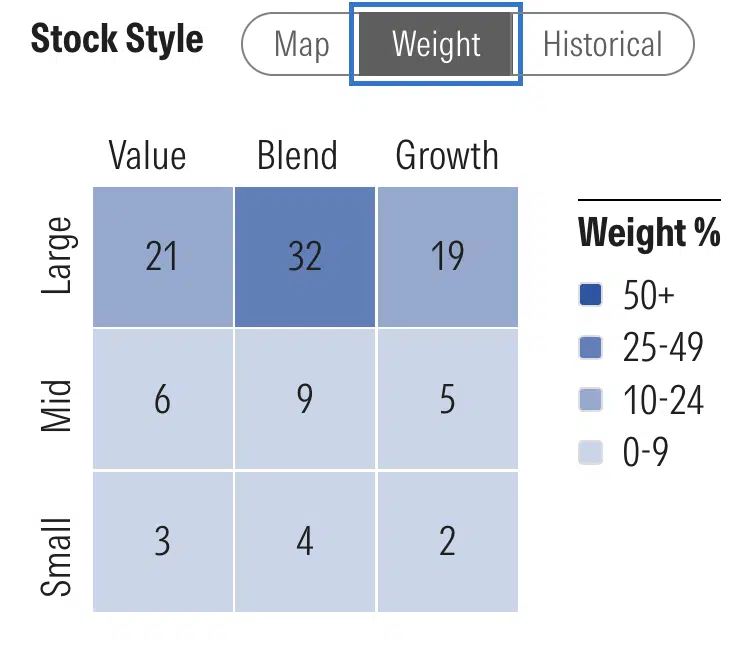
However, a closer look reveals structural distinctions beneath the surface. Morningstar’s capitalization weight metrics demonstrate that while both funds focus heavily on large enterprises, the S&P 500 leans slightly higher on the market capitalization scale. The S&P 500 comprises roughly 500 of the largest publicly traded U.S. companies, allocating about 19% of its portfolio to medium-sized firms and a nominal 1% to small-cap enterprises.
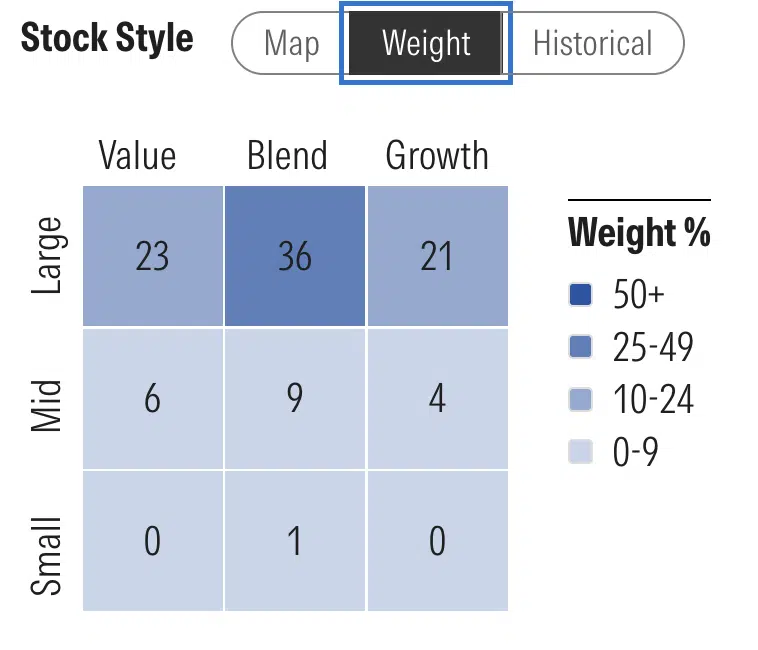
In contrast, a total stock market index fund such as VTI captures a broader swath of the domestic equities ecosystem. VTI extends its reach to encompass thousands of small and mid-sized publicly traded companies headquartered in the United States, dedicating a noticeably higher percentage to medium enterprises and roughly 9% to small-cap stocks. Whether these structural variations translate into meaningful differences for individual portfolios depends entirely on an investor’s strategic goals.
Holdings and Concentration
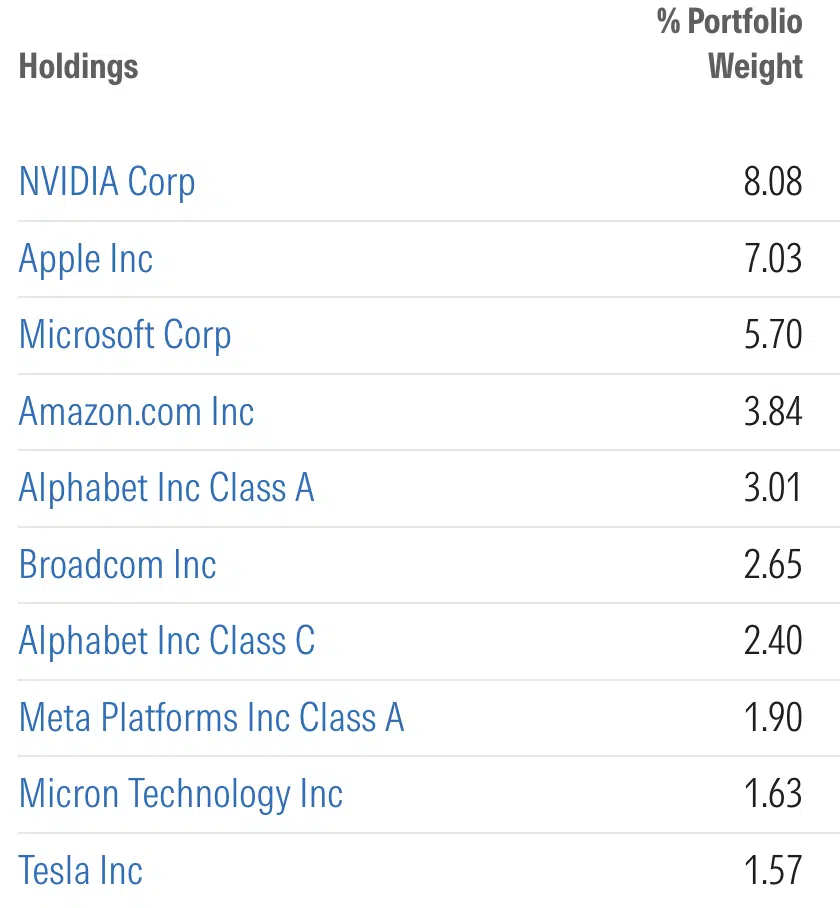
The overlap between the two fund categories becomes even more apparent when examining individual equity holdings. The top ten holdings for both VOO and VTI are identical, featuring major technology and consumer giants that drive modern market indices. Market leaders such as NVIDIA and Tesla anchor both funds, though their exact weightings fluctuate daily alongside shifting share prices.
Because market capitalization-weighted index funds allocate capital proportionally based on a company’s total market value, the largest and most valuable corporations command the highest percentages within the funds. Consequently, as tech valuations have surged in recent years, the concentration within the top ten holdings has grown for both products.
For the S&P 500 fund, the top ten holdings account for a significant portion of the total portfolio value, reflecting the heavy influence of mega-cap technology firms. The total stock market index registers a slightly lower concentration within its top ten holdings because its assets are distributed across a much broader universe of roughly 3,500 domestic equities, diluting the relative weight of the largest individual components compared to its 500-stock counterpart.
Dividend yields also reflect this structural overlap. Trailing twelve-month dividend yields for both funds show a negligible variance, confirming that income generation between the two options is virtually indistinguishable for everyday investors.
Historical Performance and Volatility
When evaluating investment vehicles over multi-decade horizons, performance and volatility remain the ultimate test. Historical data tracking asset class performance back to the 1970s reveals a striking degree of convergence between the S&P 500 and the broader U.S. stock market.
Whether analyzing lump-sum investments or dollar-cost averaging strategies involving regular monthly contributions over decades, the compound annual growth rates demonstrate nearly identical outcomes. Marginal differences of just a few basis points in annualized returns frequently alternate depending on the specific multi-year window measured. Furthermore, metrics tracking standard deviation show that volatility levels between the two asset classes are essentially equivalent.
While shorter-term market cycles occasionally favor one index over the other by narrow margins, long-term empirical evidence confirms that the performance profiles are functionally interchangeable.
How to Choose Between VOO and VTI
Given the historical parity in performance and risk, deciding between an S&P 500 fund and a total stock market fund often boils down to structural availability and individual portfolio philosophy.
In employer-sponsored retirement plans such as 401(k) or 403(b) accounts, investors frequently encounter limited fund menus. It is common for workplace plans to feature an S&P 500 index fund while omitting a total stock market alternative. In such scenarios, financial commentators emphasize that investors should simply utilize the available option without hesitation, as the absence of a total market fund presents no disadvantage to long-term wealth accumulation.
For accounts where a choice exists—such as traditional IRAs, Roth IRAs, or standard taxable brokerage accounts—investors generally gravitate toward one of two distinct methodologies.
For those prioritizing absolute simplicity and a unified U.S. equity exposure within a single holding, a total stock market index fund offers broader diversification. Capturing the entire domestic market provides exposure to thousands of small and mid-sized companies alongside large-cap stocks, maximizing market coverage without introducing additional complexity or higher costs.
Conversely, investors who prefer a granular approach to asset allocation—such as those constructing multi-asset portfolios by manually combining separate large-cap, mid-cap, and small-cap funds—often favor the S&P 500. Utilizing an S&P 500 fund as a core large-cap holding provides tighter control over specific asset class weightings within a broader investment strategy.
Regardless of the specific vehicle selected, maintaining a clear view of overall asset allocation across all accounts remains essential. Tracking tools and portfolio aggregators allow investors to monitor their total domestic equity exposure and investment fees comprehensively, ensuring that individual fund choices align seamlessly with broader financial plans.










No comments yet. Be the first to join the conversation!