
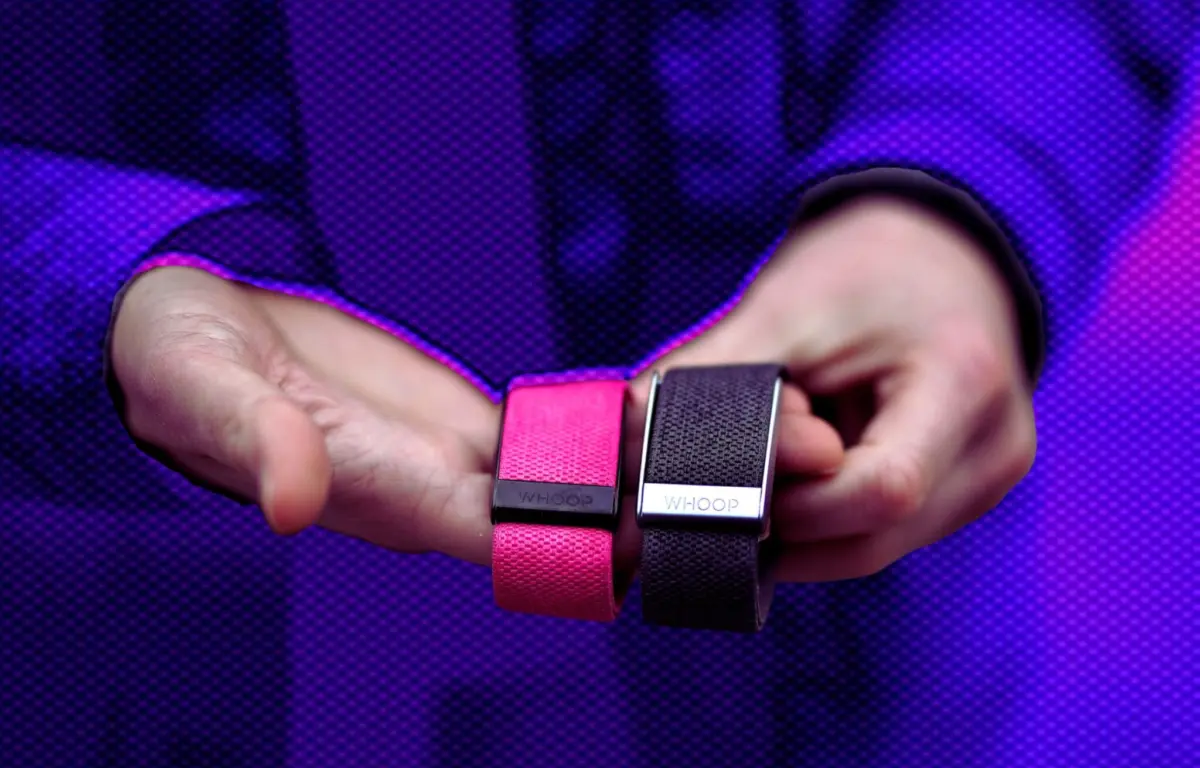
Whoop, the popular consumer technology company renowned for its screenless fitness and health-tracking bands, is expanding its ecosystem beyond individual wellness metrics into the realm of social connectivity. The company has officially launched a new in-app feature called Whoop Humans, which executives are billing as the world’s most verifiably authentic social network. By anchoring digital interactions to real-time physiological data, the brand hopes to carve out a unique space in a digital landscape increasingly saturated with bots, automated accounts, and artificial content.
The announcement marks a significant strategic shift for a company that has spent over a decade focusing strictly on internal biometrics—monitoring metrics like heart rate variability, resting heart rate, sleep efficiency, and daily stress levels to help users optimize athletic performance and recovery. Now, Whoop is leveraging that exact data stream to foster a different kind of community, one where digital presence is fundamentally tied to human biology.
"In a world that’s becoming increasingly artificial, we’re building something deeply human," said Will Ahmed, founder and chief executive officer of Whoop, in a press release detailing the launch. "Every account represents a real person with a verified heartbeat. They have real goals, challenges, and achievements. That’s what makes Whoop Humans different, and it’s a big area of investment for us."
How Whoop Humans Operates Within the Ecosystem
The mechanics of the new network are integrated directly into the existing companion application used by the brand’s subscriber base. Members who choose to opt into the feature can connect with friends, family members, and fellow wellness enthusiasts who wear the wrist-bound hardware. Once connected, participants can share various milestones related to their daily routines, including specific workout achievements, sleep performance scores, and recovery indices.
Unlike traditional social media platforms where users post curated photographs, life updates, or opinions, the content shared on Whoop Humans is rooted directly in physical effort and physiological recovery. Within the app, members have the ability to write comments, cheer each other on, and express reactions to the shared data points.
According to company leadership, the platform was intentionally designed to cultivate mutual encouragement rather than superficial engagement. By giving users visibility into one another’s recovery and training loads, the network aims to serve as both a motivational tool and a supportive community safety net, allowing peers to notice when someone might be pushing too hard or struggling with fatigue.
Mika Bublitz, a Whoop member who participated in the rollout, noted that the social integration provides a practical way for friends to support each other’s well-being from afar.
"Sometimes people don’t tell you when they’re not feeling their best," Bublitz said. "If I see a friend’s Recovery is low, I can check in and say, ‘Hey, it’s okay to take it easy today.’ That’s what I like about Whoop Humans. It gives us another way to look out for each other."
The rollout of Whoop Humans is entirely voluntary, giving members complete control over whether they wish to broadcast their metrics or keep their data strictly private. The feature became available to users earlier this week through an automatic update to the mobile application.
Explosive Growth and the Ubiquity of the Wearable
The introduction of a social layer comes at a time of robust expansion for the fitness brand. Founded fourteen years ago by Ahmed, the company has grown from a fledgling hardware startup into a dominant player in the wearable technology sector. Today, the brand boasts a community of more than three million members worldwide who utilize the screenless bands to monitor their daily habits.
The hardware itself operates on an annual subscription model, with costs ranging from $199 to $359 per year. The fee includes the wrist-worn sensor, which tracks sleep architecture, cardiovascular strain, and daily stress without the distraction of a digital display or incoming smartphone notifications. The device’s battery architecture allows it to run for up to two weeks on a single charge, a design choice that industry analysts credit with driving high retention and consistent daily wear.
User engagement metrics released by the company indicate a high level of daily interaction. According to corporate figures, members open the mobile application an average of more than eight times per day, demonstrating that the audience already maintains a deeply ingrained habit of checking their biometric data frequently throughout waking hours.
Reflecting on the timeline required to achieve this scale, Ahmed discussed the challenges of building a hardware and subscription business during a recent appearance on the All-In Podcast.
"It took a very long time to be an overnight success," Ahmed remarked during the interview. "It took about 12 years for us to get to a million members, and then another 18 months or so to two million, about six months to three million. We expect to end the year around four million members."
Independent research underscores the tangible lifestyle impacts associated with continuous use of the device. A study published last year in the academic journal Sensors, which analyzed 12 weeks of data from nearly 12,000 Whoop members, found that individuals who wore the tracker consistently every day engaged in more than 90 additional minutes of exercise per week compared to baseline habits. Furthermore, daily wearers logged an average of roughly 20 extra minutes of sleep per night, translating to more than two hours of additional rest accumulated over the course of a week.
Navigating a Competitive Landscape
As Whoop pushes deeper into community-driven features and continuous physiological monitoring, it operates within an increasingly crowded and competitive market segment. Traditional smartwatch manufacturers and consumer electronics giants are continuously updating their health-tracking capabilities, while rivals in the dedicated fitness space are also adjusting their product strategies.
Earlier this year, Google introduced a screenless wearable device under the Fitbit brand named the Fitbit Air, priced at approximately $100, directly targeting the minimalist form factor popularized by Whoop. Meanwhile, industry reports indicate that Apple is also exploring the development of a similar screenless health-tracking device to challenge established players in the recovery and sleep-monitoring market.
Despite mounting competition from major technology conglomerates, Whoop’s leadership is betting that its unique combination of clinical-grade biometric tracking, long battery life, and now, a verified human social ecosystem, will be enough to differentiate the brand. By transforming solitary health data into a shared community experience, Whoop aims to redefine how people connect over wellness in the digital age.










No comments yet. Be the first to join the conversation!