
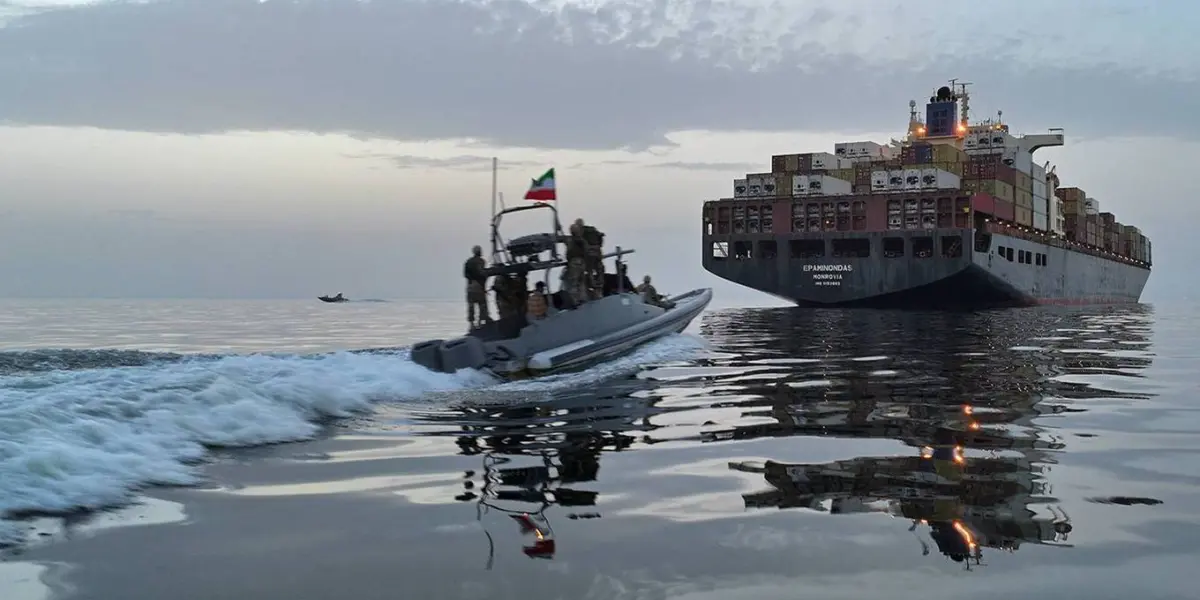
LONDON—With the dust settling on the recent United States midterm elections, the focus of global financial markets is undergoing a decisive shift. For months, the specter of the Iran war has loomed over the international economic landscape, acting as a primary driver of volatility. Investors, central bankers, and corporate strategists have watched with bated breath as peace negotiations oscillated between periods of intense military posturing and hopeful reports of a ceasefire. Now, with President Donald Trump declaring the conflict "effectively over," the global economy stands at a precarious threshold. However, seasoned economists are cautioning that a cessation of hostilities will not act as a "reset button" for the world economy. Instead, the end of the war may usher in a complex new phase of structural realignment that challenges the prevailing trends of the last few years.
For global trade, the most immediate relief of a post-war environment would be the stabilization of energy markets. The Strait of Hormuz, the world’s most critical oil chokepoint, has been a central theater of tension throughout the conflict. A full reopening of these waters, and the subsequent removal of the war risk premium currently embedded in energy futures, would likely lead to a significant cooling of commodity prices. For inflation-weary nations, this is the silver lining that many have been anticipating. Lower energy costs would ripple through supply chains, potentially easing the upward pressure on consumer goods and allowing central banks more flexibility in their interest rate policies. Yet, beneath this veneer of normalization lies a series of deeper, more structural economic disruptions that could redefine the global order.
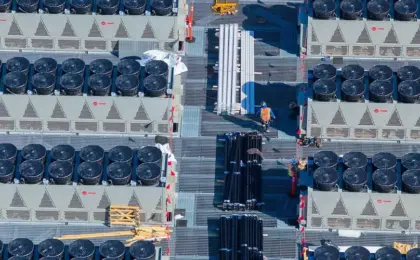
The paradox of the post-war recovery lies in the movement of capital. Throughout the duration of the Iran conflict, the United States has benefited from a "flight to safety," with global capital pouring into American assets, particularly in the technology sector. This influx of liquidity has been a primary engine behind the so-called "AI supercycle," fueling massive investments in artificial intelligence, cloud infrastructure, and domestic high-tech manufacturing. The market logic has been simple: when the world is in turmoil, the U.S. dollar and U.S. equities provide the ultimate sanctuary. However, as the geopolitical temperature drops, this incentive for capital to remain concentrated within American borders may diminish.
As the threat of war recedes, global investors are expected to pivot toward emerging markets and regions that have been battered by the conflict. Post-war reconstruction efforts—particularly in the Middle East—will require vast amounts of capital. This demand for investment could create a competitive environment for liquidity that the United States has not faced for years. If capital begins to migrate away from U.S. tech stocks and into reconstruction bonds and infrastructure projects abroad, the buoyancy that has sustained the AI supercycle could begin to waver. The implications for the U.S. equity markets are significant: the premium valuation placed on AI firms has been supported by an abundance of cheap, risk-averse capital. A shift in global investor sentiment could lead to a repricing of these assets, forcing a painful adjustment for portfolios heavily weighted toward tech growth.
Furthermore, the post-war environment brings the issue of de-dollarization back to the forefront. The war in Iran served as a catalyst for various nations to explore alternative trade and reserve currencies, largely as a response to the weaponization of the financial system during the conflict. Now that the war is ending, the momentum behind these efforts is unlikely to dissipate. Instead, the reconstruction phase may solidify these new financial architectures. If Iran and its regional partners seek to rebuild their infrastructure using non-dollar-denominated instruments, it would mark a significant step toward a multipolar financial system. This transition would not be an overnight collapse of the dollar’s hegemony, but rather an incremental erosion of the currency’s dominance in global trade and settlement.
The political backdrop of this economic transition is equally complex. With the midterms now in the rearview mirror, President Trump’s administration faces the dual challenge of managing a domestic economy that has grown accustomed to the fiscal stimulus associated with wartime spending, while simultaneously navigating the diplomatic fallout of a peace deal. The declaration that the war is "effectively over" provides a narrative of victory, yet the reality of managing the transition from a war economy to a peacetime economy is fraught with fiscal peril. If the U.S. government attempts to sustain high levels of deficit spending while global capital demand shifts elsewhere, the resulting pressure on bond yields could further complicate the outlook for the broader market.
Market participants, who have spent the last few months trading on the binary outcomes of war or peace, are now finding that the "peace" trade is far less straightforward than they had anticipated. The erratic swings in stocks and commodities that defined the war period were driven by fear and uncertainty; the coming months will be driven by the more calculated, and often more cold-blooded, movement of global capital. As the geopolitical risk premium evaporates, the focus of the markets will inevitably return to fundamentals: interest rates, corporate earnings, and the structural sustainability of the U.S. growth model.
The divergence between the expected relief of lower commodity prices and the potential strain of capital flight creates a unique dilemma for policymakers. Central banks, which have been primarily concerned with taming inflation through restrictive policies, may soon find themselves needing to pivot toward supporting growth as the tailwinds of the war-era capital surge fade. This pivot, if mishandled, could trigger volatility that matches or even exceeds what was seen during the height of the conflict. The challenge for the U.S. and its global partners will be to manage this transition without undermining the technological advancements that have defined the last cycle of economic development.
Ultimately, the end of the Iran war signals the end of an era of uncertainty, but it does not signal a return to the pre-war status quo. The global economic map has been redrawn, and the dependencies that held the old system together have been altered. As the international community turns its attention to the reconstruction of the region, the United States will be forced to compete for the very capital that once flowed to it by default. The AI supercycle, once thought to be an unstoppable force, will now have to prove its worth in a world where capital has more options. De-dollarization, once a theoretical concern, is now a practical challenge that will test the resilience of the global financial architecture. For investors and policymakers alike, the transition from war to peace is not an end, but the beginning of a complex and demanding new chapter in the global economy.







No comments yet. Be the first to join the conversation!