
However, financial planners and software packages rarely yield identical results. Because these tools rely on complex calculations, varying mathematical assumptions, and distinct modeling approaches, outcomes can differ significantly from one program to the next. A notable study examining five popular retirement planning software packages uncovered stark discrepancies in their ultimate projections. Consequently, researchers recommended that individuals consult multiple programs before implementing any major financial action plan based on the results.
To help navigate this landscape, experienced financial commentators have evaluated the leading retirement software options available today, drawing on years of hands-on experience across a wide array of digital platforms. While the market features numerous applications, a select few software packages consistently distinguish themselves through user experience, analytical depth, and specialized modeling capabilities.
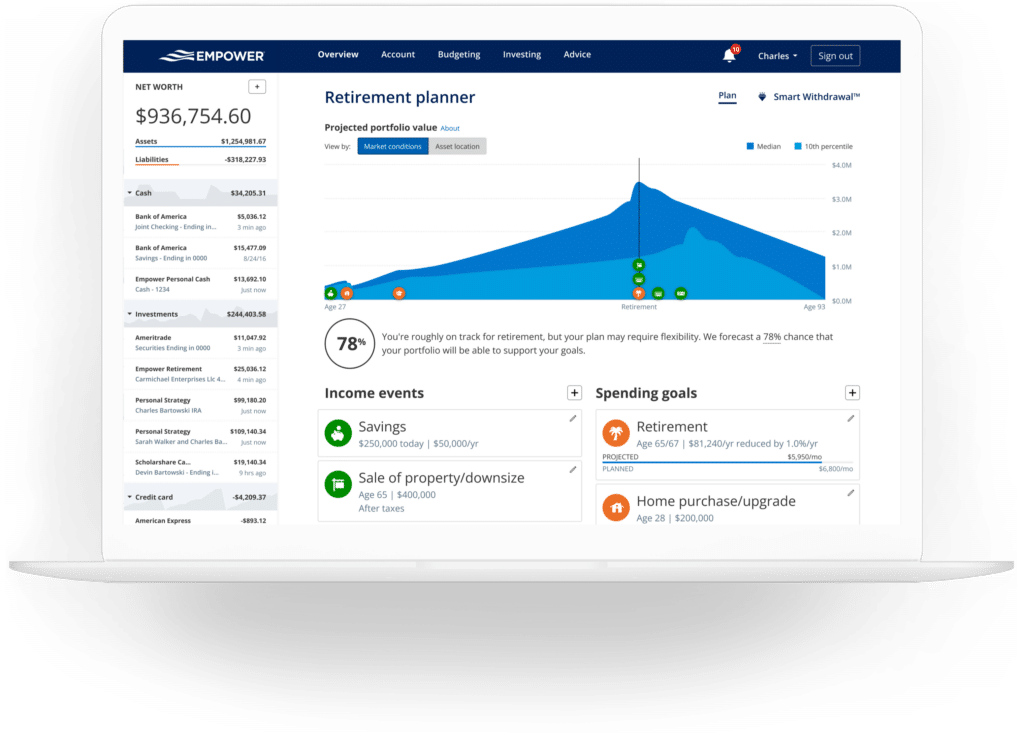
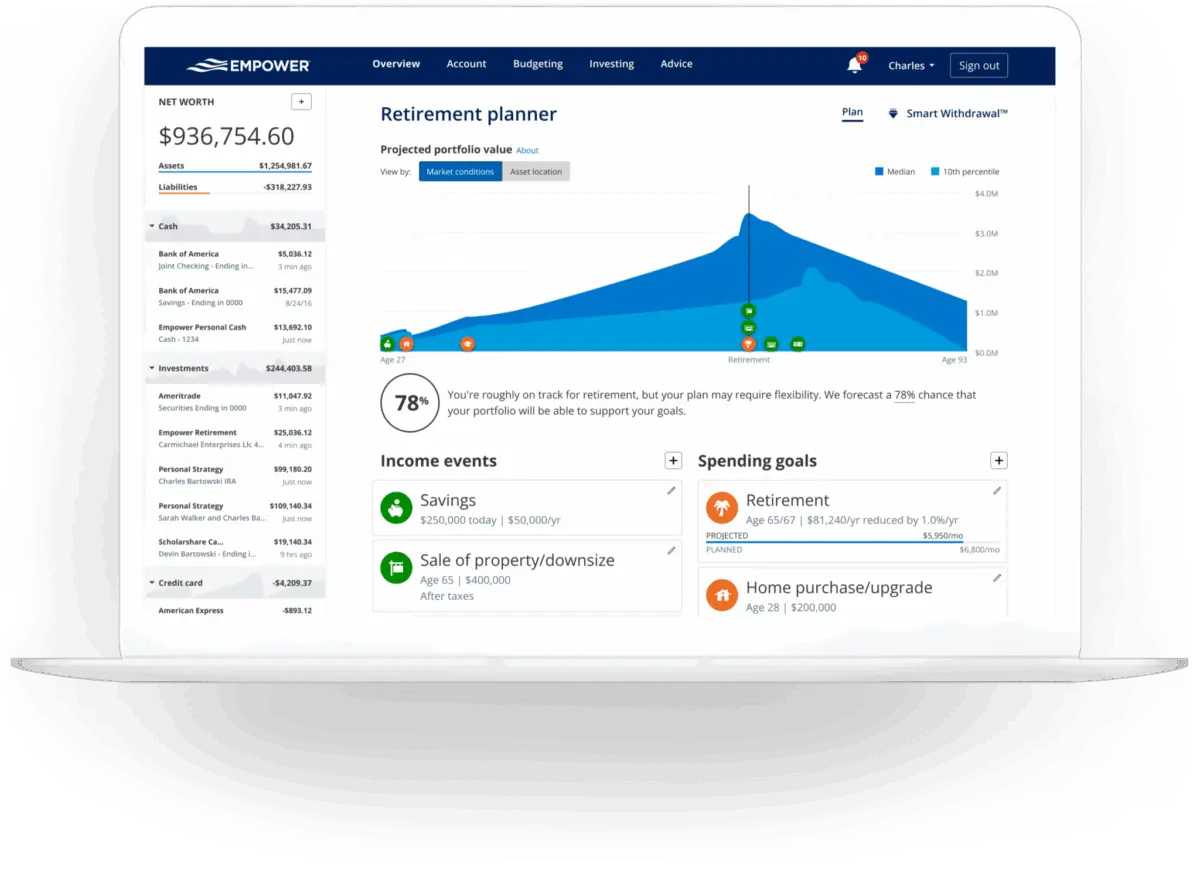
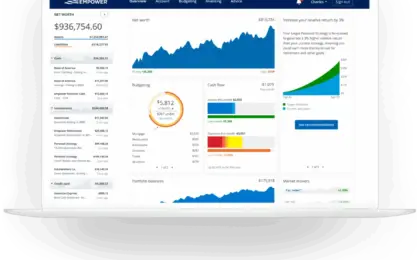
Among the top recommendations, Empower’s Retirement Planner stands out as a premier free option. Widely utilized by individuals who are more than five years away from retirement, the platform is recognized for its accessibility and robust feature set. By securely connecting 401(k) plans, IRAs, and other investment accounts, the software automatically imports financial data directly into its analytical engine. Users can then model various income events, such as future savings, real estate sales, Social Security benefits, and pensions, alongside specific spending goals like travel or lifestyle expenses. The platform runs a Monte Carlo simulation on the user’s data to report the statistical likelihood of the plan’s success. A key differentiator for Empower is its ability to allow users to create and compare multiple scenarios, examining how retiring at different ages might impact their long-term financial security.
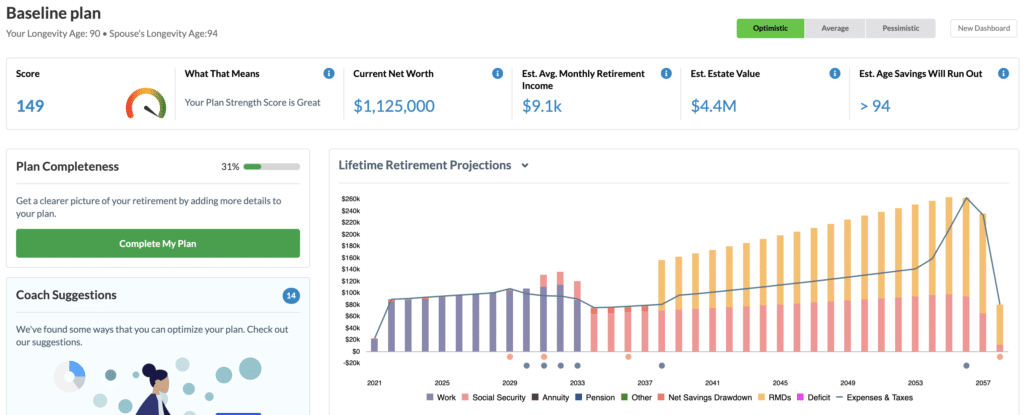
For those requiring deeper customization, Boldin—formerly known as New Retirement—offers an advanced suite of tools capable of modeling virtually every intricate aspect of the retirement landscape. While the platform offers a free version, its comprehensive PlannerPlus tier is available by subscription. Boldin is designed to handle immense complexity, allowing users to project future healthcare expenses, Medicare coverage, annuities, pensions, and specific Social Security claiming strategies. New users can utilize a quick-start guide to generate an initial snapshot of their retirement readiness within minutes, after which they can dive into granular details regarding future income, expenses, and net worth. A standout feature of the platform is its dedicated Roth IRA conversion calculator, which helps individuals determine the optimal timing and amounts for converting traditional retirement accounts.
Another prominent software package is ProjectionLab, developed by Kyle Nolan. Known for its polished user interface, advanced charting capabilities, and detailed tax analysis, the platform accommodates a vast array of account types, including traditional and Roth retirement plans, health savings accounts, and taxable brokerage portfolios. Users can input various financial milestones, such as achieving financial freedom, eliminating debt, purchasing a home, or funding children’s education. ProjectionLab distinguishes itself by allowing users to model diverse retirement withdrawal strategies, including the classic four percent rule, Guyton-Klinger, and variable percentage withdrawal. The software runs both Monte Carlo and historical simulations, offering a comprehensive view of long-term financial health through a free basic tier or an annual premium subscription.
Beyond the front-running software packages, alternative methodologies offer different perspectives on financial forecasting. Maxifi, for instance, approaches retirement planning through the economic model of consumption smoothing. This theoretical framework assumes that individuals prefer to maintain a consistent level of inflation-adjusted spending throughout their retirement years. While traditional financial planning often calculates success based on a predetermined spending goal, consumption smoothing reverses the equation to determine how much an individual can safely spend based on existing assets and lifetime income sources. Developed by economists who champion this specific philosophy, Maxifi performs sophisticated behind-the-scenes calculations, though some users find its advanced interface more demanding to navigate compared to more intuitive consumer-facing software.
The growing market for digital financial tools highlights a fundamental distinction in personal finance technology: the difference between basic retirement calculators and comprehensive planning software. Traditional calculators typically rely on a handful of basic inputs to provide a high-level overview of savings readiness. In contrast, modern retirement planning software incorporates complex variables such as tax implications, legislative changes, healthcare premiums, and alternative withdrawal strategies.
As individuals continue to seek reliable methods for securing their financial futures, financial experts emphasize that no single software package holds a monopoly on accuracy. By leveraging multiple platforms and understanding the underlying assumptions of each tool, future retirees can build a more resilient and realistic roadmap for their post-work years.





No comments yet. Be the first to join the conversation!