
When Mint launched in 2007, it revolutionized personal finance by introducing one of the first free online budgeting applications available to the general public. For years, millions of users relied on the platform to track their spending, monitor bank accounts, and keep an eye on their overall financial health. Following its acquisition by Intuit in 2009, the platform maintained a massive following of
loyal users. However, Intuit’s recent decision to officially shut down Mint.com has left current users scrambling to find viable replacements to manage their everyday finances, track investments, and maintain control over their budgets.
Transitioning away from a long-standing financial hub can be a daunting task, particularly given how deeply integrated budgeting tools become in daily financial routines. Fortunately, the personal finance software market has evolved significantly over the years, offering a wide array of alternatives tailored to different user preferences, ranging from robust, feature-packed mobile apps to spreadsheet-based trackers and investment powerhouses.
Following extensive testing of numerous applications over the years, several standout platforms have emerged as the premier alternatives for former Mint users looking to seamlessly migrate their financial lives.
Monarch Money
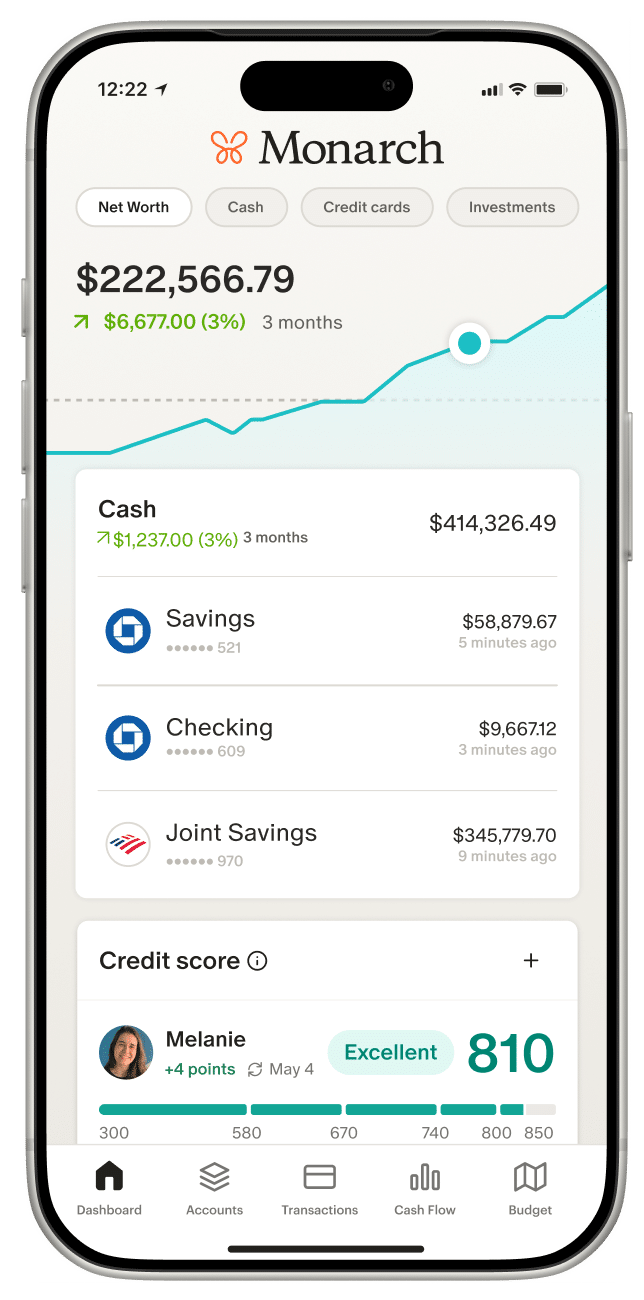
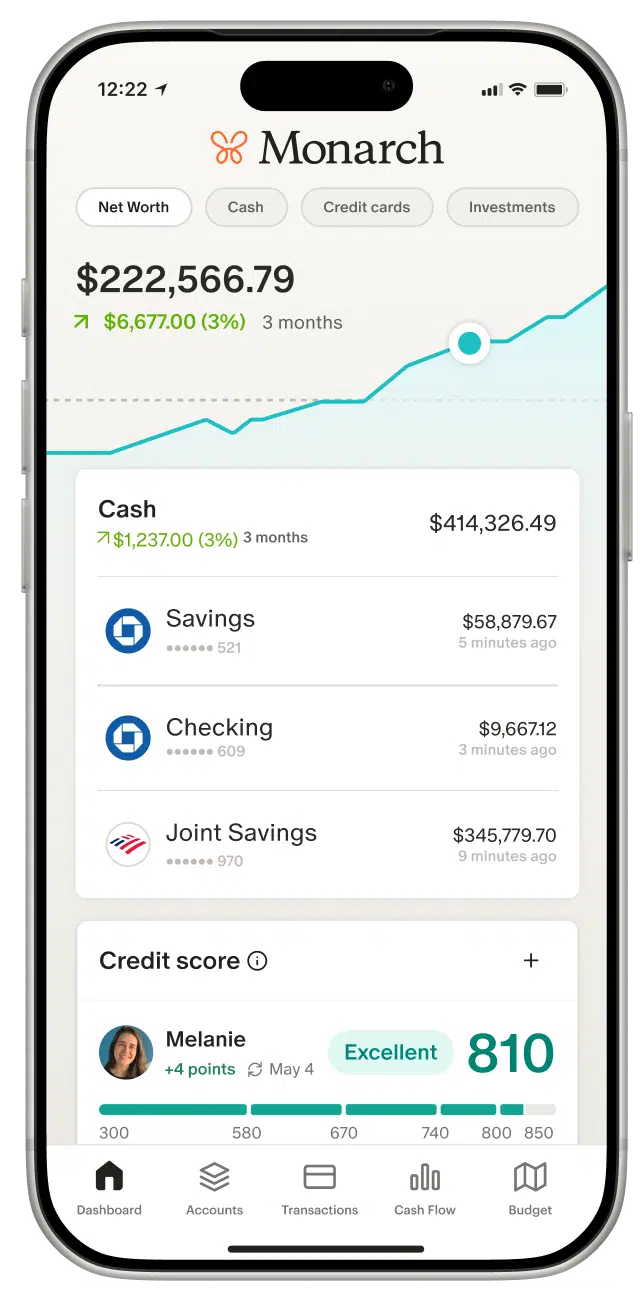
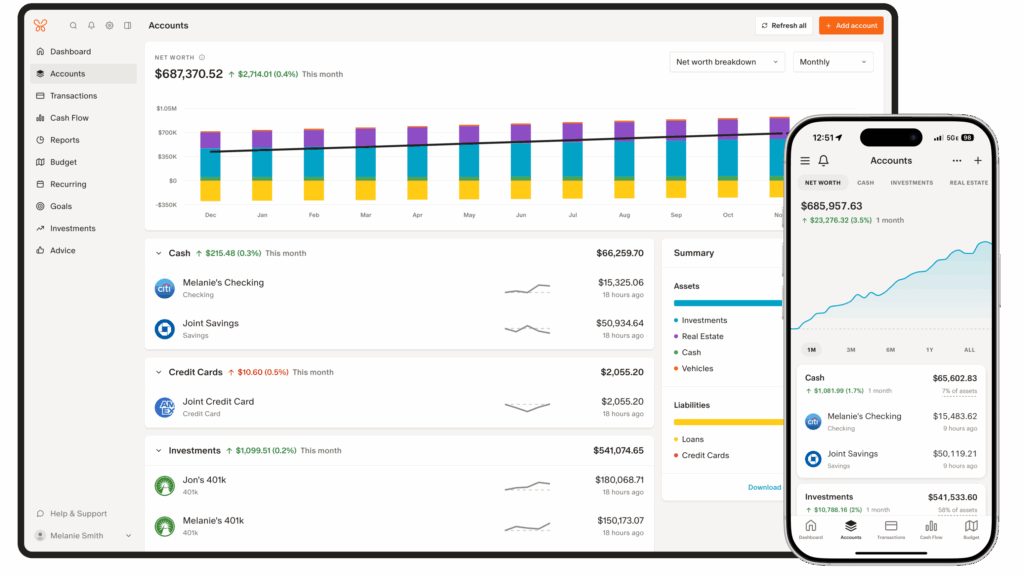
Among the top contenders, Monarch Money has established itself as a leading option for overall budgeting and financial management. Having been utilized extensively for years, the platform stands out due to its polished user interface, which is available across both modern web browsers and dedicated smartphone applications for iOS and Android.
The platform’s dashboard provides a comprehensive view of critical financial metrics, bringing together recent transactions, income and expense comparisons for the current month, and overall net worth tracking into a single, cohesive space. A notable detail within the platform’s lineage is that its co-founder and CEO, Val Agostino, served as the first product manager on the original team that built Mint.com, bringing a familiar design philosophy to the modern application.

Linking bank accounts and credit cards is a streamlined process, allowing Monarch to automatically pull transaction and balance data to facilitate effortless budgeting and goal setting. Furthermore, the platform accommodates recurring expenses and subscriptions to prevent unexpected financial surprises. It also features Flex Budgets, designed to track spending categories that fluctuate naturally from one month to the next. Beyond day-to-day spending, users can link investment accounts to monitor retirement savings, brokerage performance, and underlying asset allocations.
Rocket Money
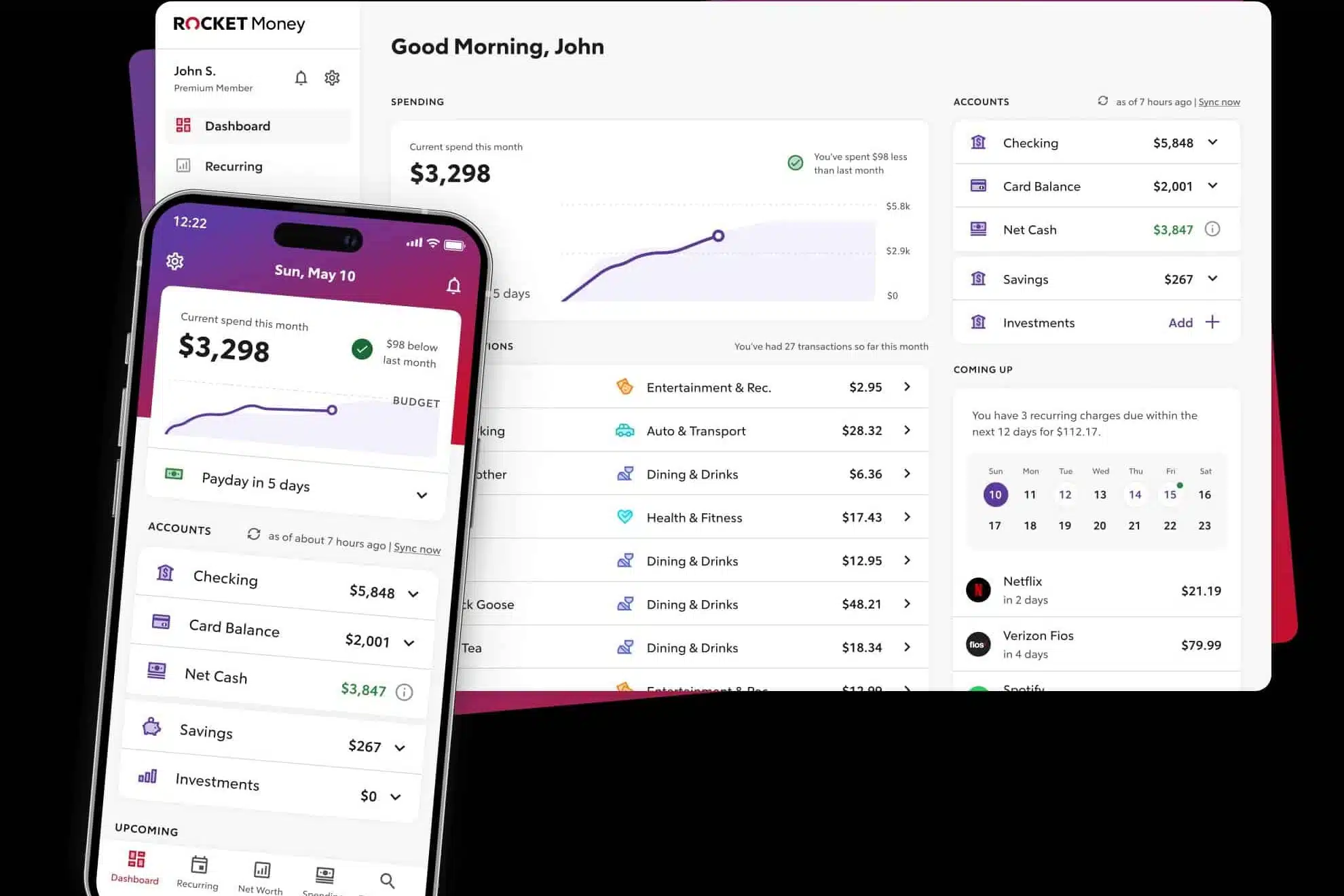
For individuals whose primary focus centers heavily on straightforward budgeting, Rocket Money serves as an accessible and visually appealing replacement. Mirroring Mint’s initial accessibility model, it offers a free starting tier that covers essential budgeting needs while delivering an intuitive user experience across web and mobile interfaces.
Rocket Money excels at handling fundamental financial tasks that former Mint users typically prioritize, including spending categorization, expense tracking, and account aggregation. The platform’s premium tiers introduce advanced capabilities such as in-app subscription cancellation assistance, comprehensive net worth tracking, and ongoing credit score monitoring, making it a well-rounded tool for casual and dedicated budgeters alike.
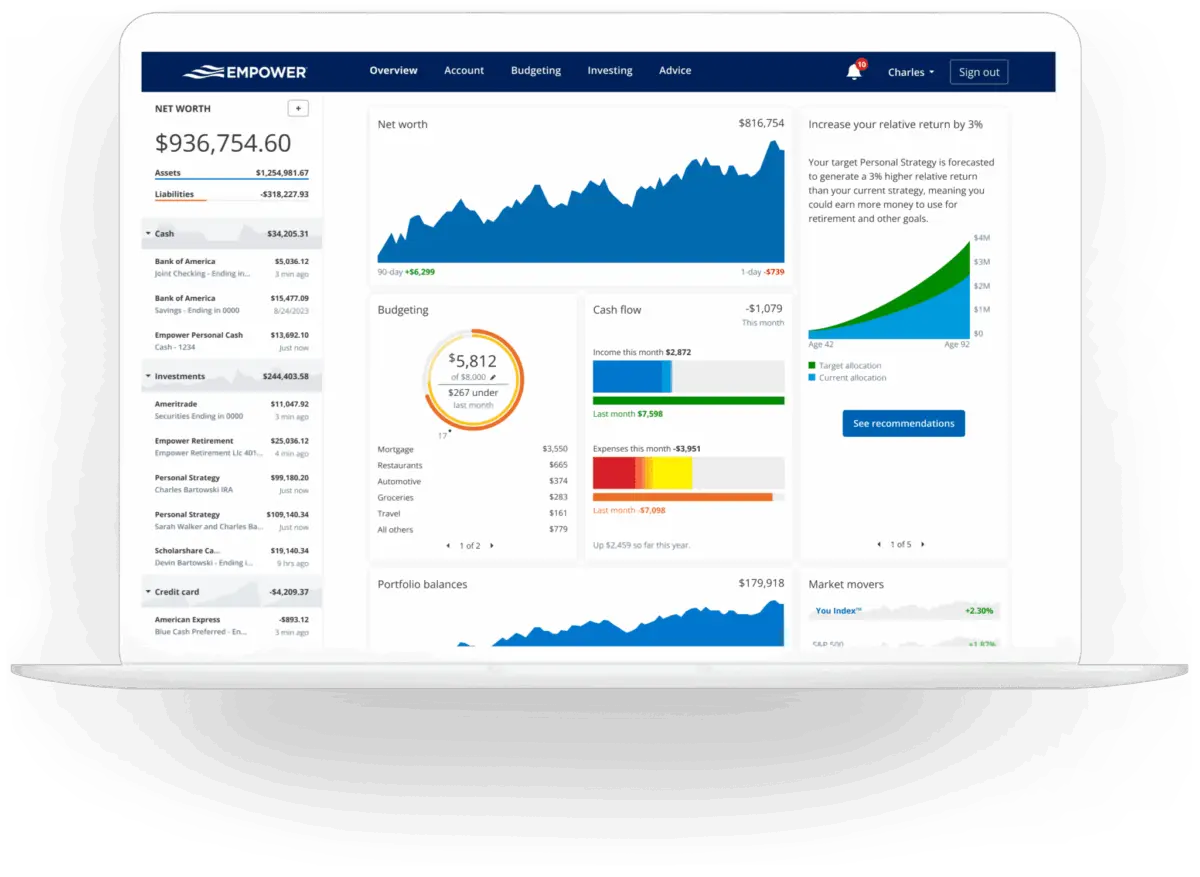
Empower
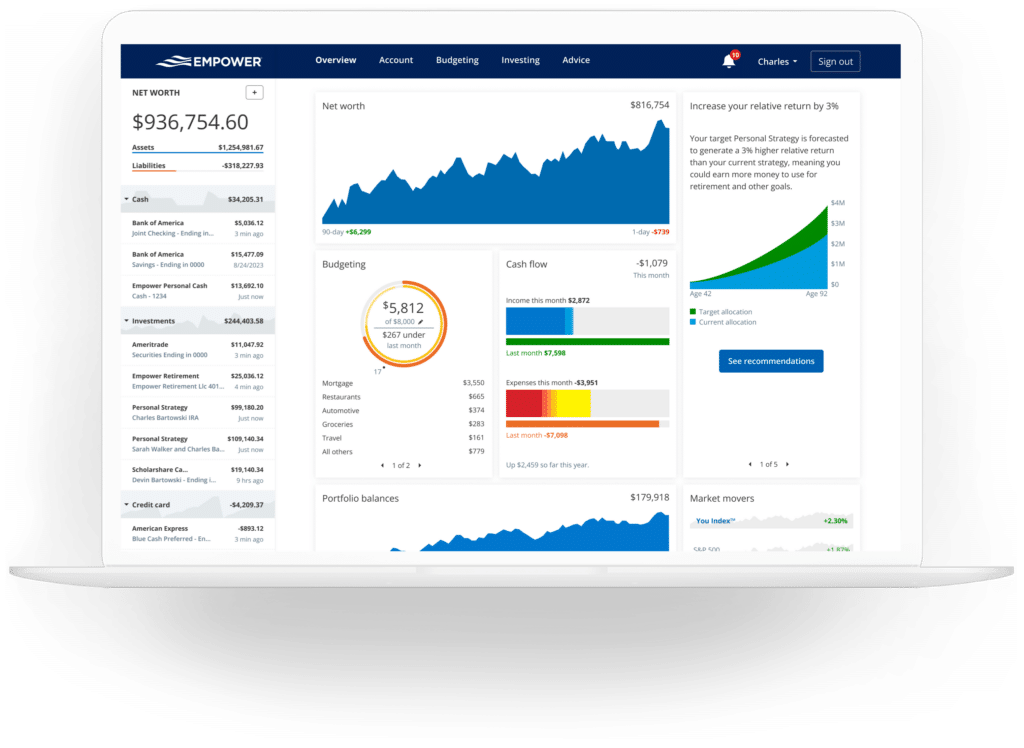
Users seeking a powerful tool dedicated primarily to investment tracking and holistic wealth monitoring often turn to Empower, a platform that has been heavily utilized and tested for over a decade. Operating on a free model similar to Mint, Empower provides far more extensive tools for analyzing complex portfolios and tracking long-term financial growth.
By linking virtually any financial account to the application, users gain access to a centralized dashboard that delivers a high-level snapshot of their entire financial landscape. Alongside traditional budgeting features, Empower incorporates advanced analytical tools for retirement planning, fee analysis, and portfolio monitoring. Its exceptional mobile and tablet interface ensures that users can manage their investments and review asset performance on the go with ease.
Quicken Simplifi
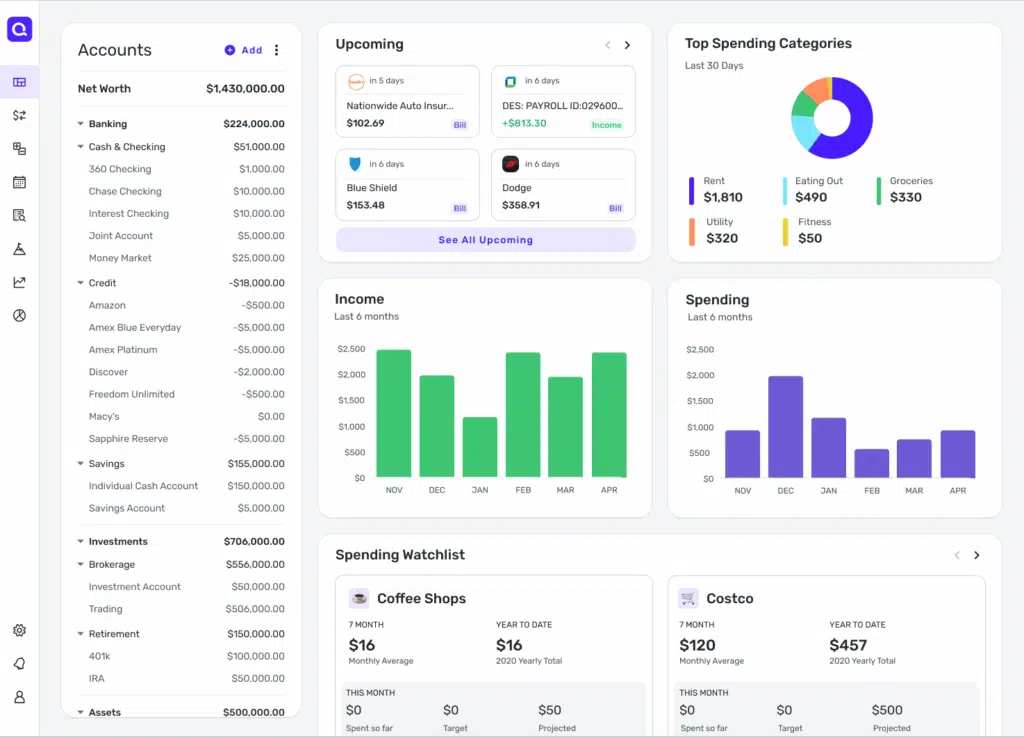
Designed from the ground up as a modern mobile-first budgeting application rather than a direct extension of legacy desktop software, Quicken Simplifi relies on automation to simplify personal finance management. The platform analyzes incoming cash flow and regular expenses to automatically generate a customized spending plan.
Key functionalities include the identification of recurring bills and subscriptions, seamless integration into a dynamic financial plan, and a dedicated calendar view that highlights upcoming expenses. The app focuses heavily on smartphone usability, providing a responsive and agile environment for users who prefer managing their money primarily through mobile devices.
Origin
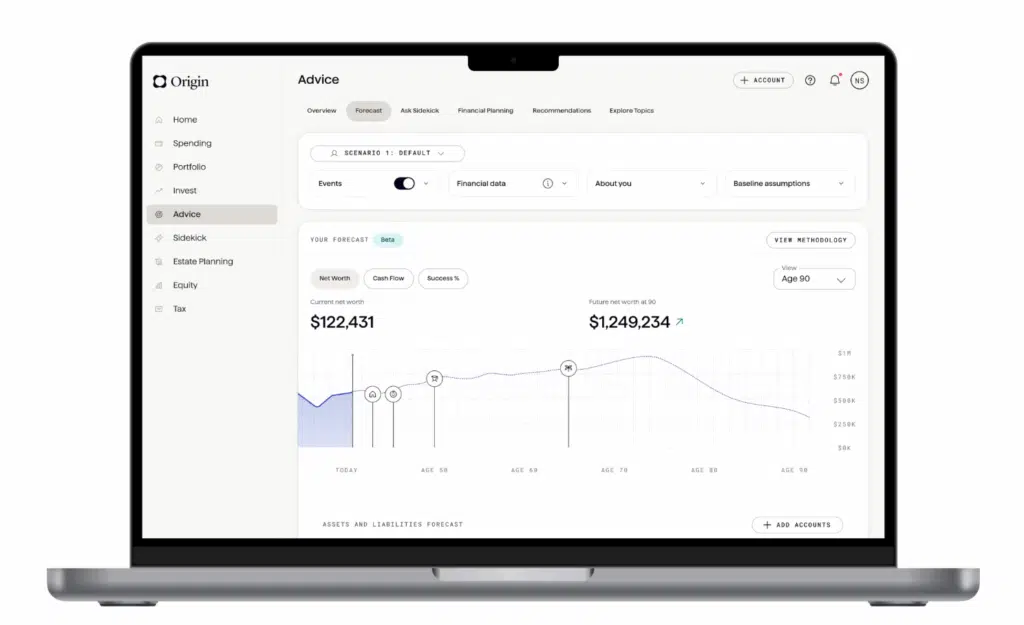
For those seeking an all-encompassing financial ecosystem, the Origin app provides a uniquely comprehensive suite of tools that extend well beyond standard budgeting. Alongside traditional expense tracking, the platform incorporates advanced features such as integrated tax software, financial forecasting, and access to certified financial professionals.
Origin also integrates artificial intelligence capabilities, allowing users to interact directly with an in-built assistant to ask complex questions regarding their budgets, savings strategies, and emergency fund goals. While certain specialized services within the app require additional fees, the core software delivers an advanced, feature-rich experience for users looking for deep financial insights.
Tiller Money
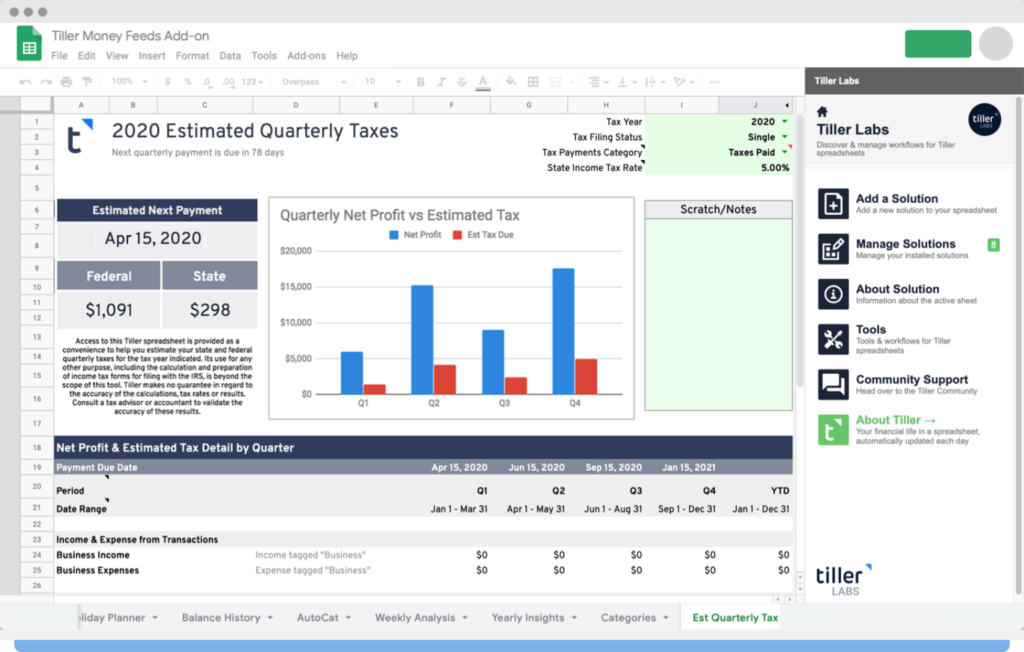
Individuals who prefer a hands-on approach and enjoy working directly with customized data structures often gravitate toward Tiller Money. Rather than relying on a closed application ecosystem, Tiller connects bank accounts, credit cards, and investment portfolios directly to Google Sheets or Microsoft Excel.
While the platform carries a minor learning curve, it offers unparalleled flexibility through automated data feeds combined with spreadsheet templates. Users can build tailored budgeting models, track spending habits, and monitor retirement trajectories using familiar spreadsheet environments. While desktop navigation is seamless, utilizing the service on a standard smartphone can present navigation challenges due to the spreadsheet format.
You Need A Budget (YNAB)
Rounding out the primary alternatives is You Need A Budget, an application tailored specifically toward zero-based budgeting enthusiasts. YNAB operates on the philosophy of assigning every dollar a specific job based strictly on the funds currently available in the bank.
While its spreadsheet-like interface makes category-based allocation straightforward, the platform does not function as an investment tracker or an automated net worth monitor. Due to its singular focus on budgeting and its higher price point compared to competing applications, it appeals most strongly to dedicated adherents of the zero-based budgeting methodology.
Selecting the Right Path Forward
Evaluating alternatives to Mint ultimately depends on individual financial priorities, whether that involves sophisticated investment analysis, automated spending plans, or granular spreadsheet controls. While the loss of Mint marked the end of an era for personal finance software, the current market provides a diverse array of advanced tools capable of filling the void and helping users maintain long-term financial health.






No comments yet. Be the first to join the conversation!