
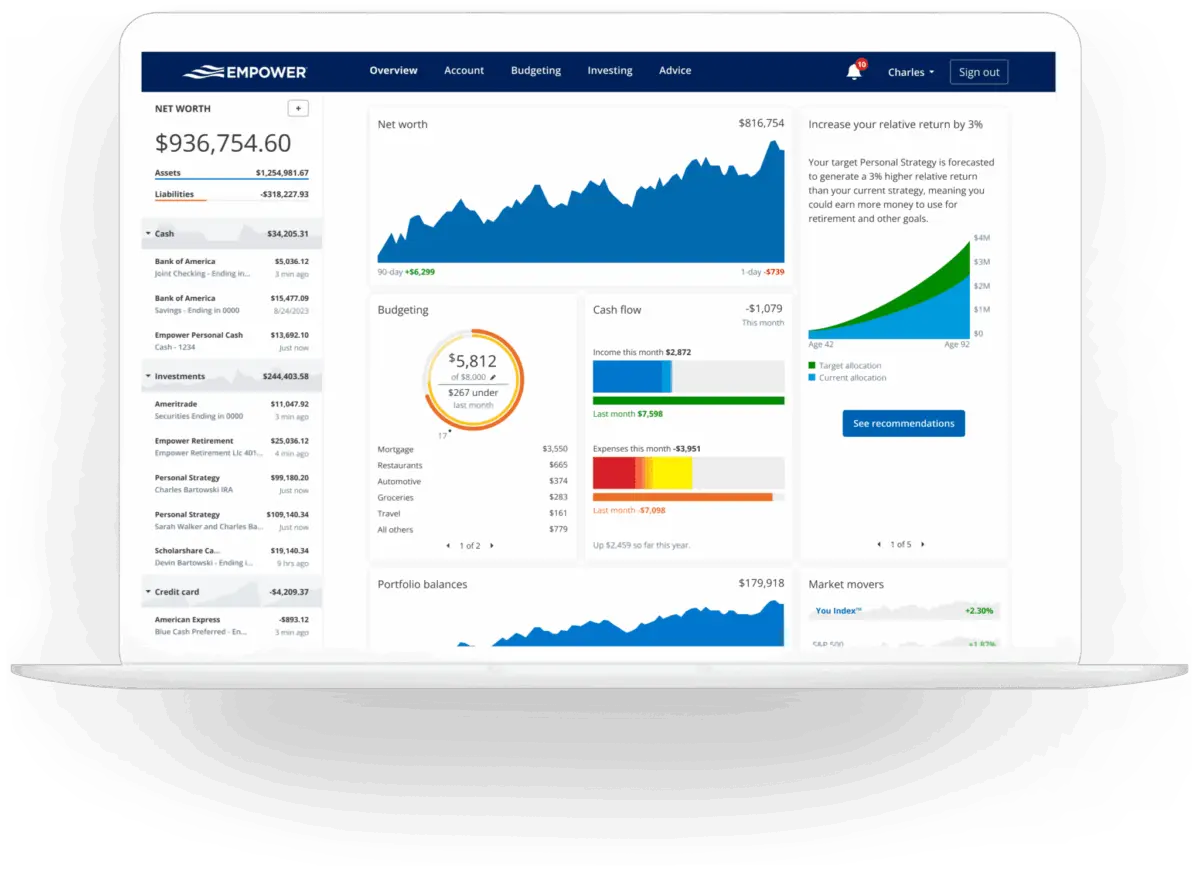
Determining your financial standing has traditionally been a straightforward math problem: you calculate everything you own, subtract everything you owe, and the remaining number represents your net worth. While individuals can easily calculate this figure using a basic piece of paper or a rudimentary spreadsheet, the landscape of personal finance management has evolved significantly. Today’s modern digital tools
go far beyond simple arithmetic, offering automated tracking, deep investment insights, and holistic views of individual financial health.
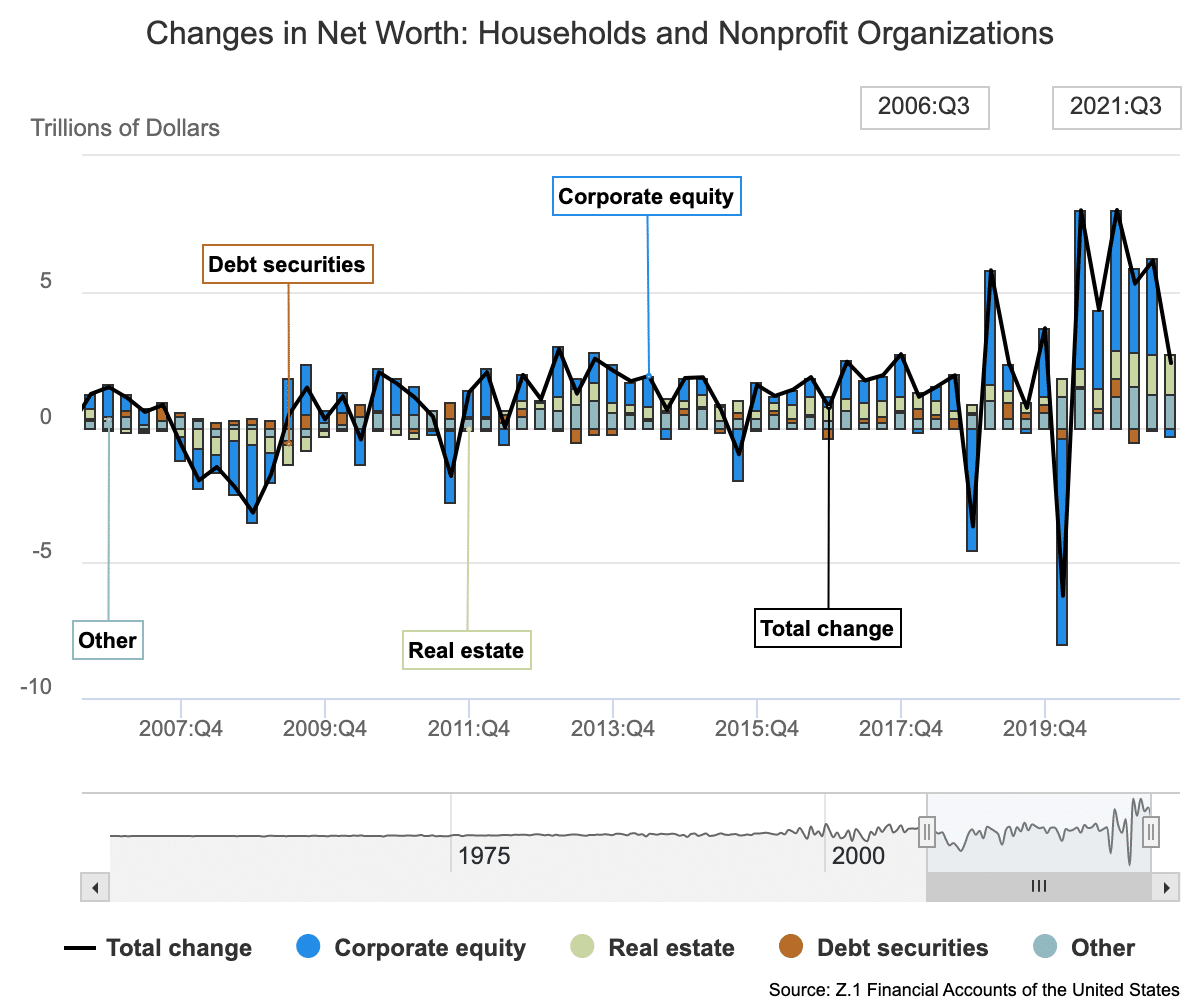
Modern net worth calculators and tracking applications connect directly to financial institutions to pull in real-time data automatically. By linking checking accounts, savings accounts, credit cards, investment portfolios, retirement funds, and real estate valuations, these platforms provide continuously updated snapshots of a person’s balance sheet. Rather than manually updating numbers month after month, users can watch their financial progress unfold dynamically over time.
Several prominent tools currently dominate the personal finance space, each catering to different preferences ranging from automated investment analysis to rigorous budgeting and spreadsheet customization.
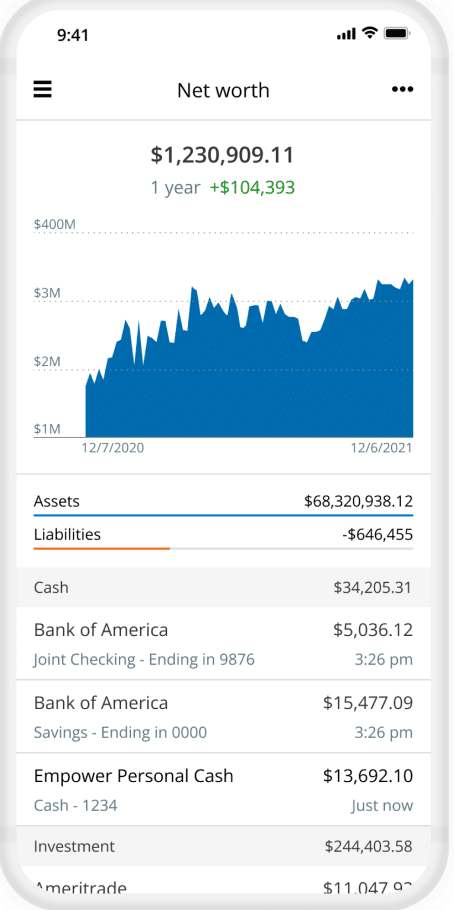
Empower: The Top Choice for Investment Tracking
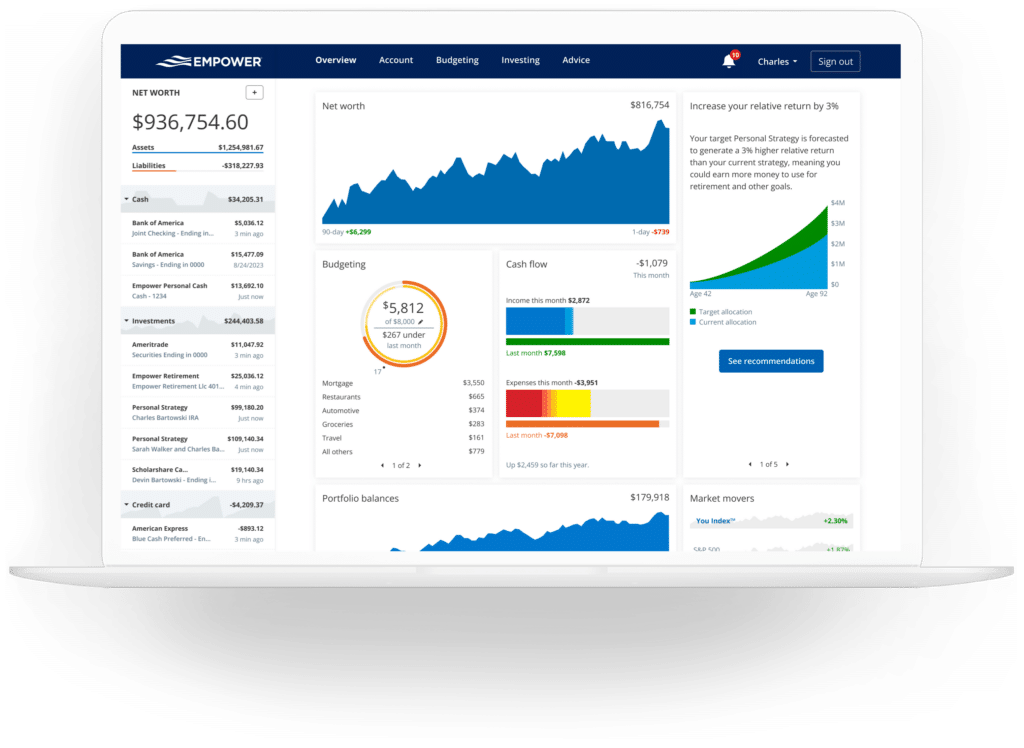
Among the available options, Empower—formerly known as Personal Capital—stands out as a leading free platform for comprehensive wealth and investment tracking. Users can link virtually all of their financial accounts securely using high-level encryption standards. Beyond basic banking and credit cards, the platform accommodates mortgages, various loans, cryptocurrency holdings, and real estate values integrated through property estimation services like Zillow. Accounts without direct online portals can also be updated manually.
What distinguishes Empower from basic trackers is its robust suite of analytical tools. The platform features an asset allocation inspector, an investment fee analyzer, and a retirement planner. Users can monitor cash flow, evaluate income and expenses by category, and review investment performance across complex portfolios without paying subscription fees.
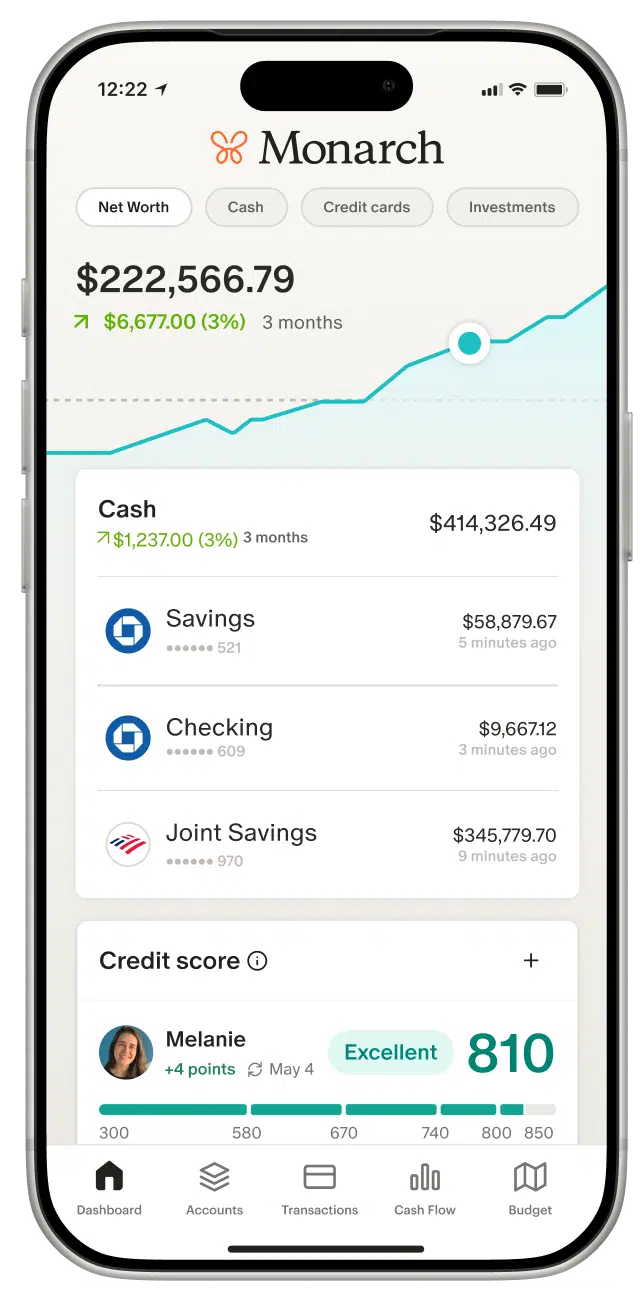
Monarch Money: Advanced Budgeting and Feature-Rich Tracking
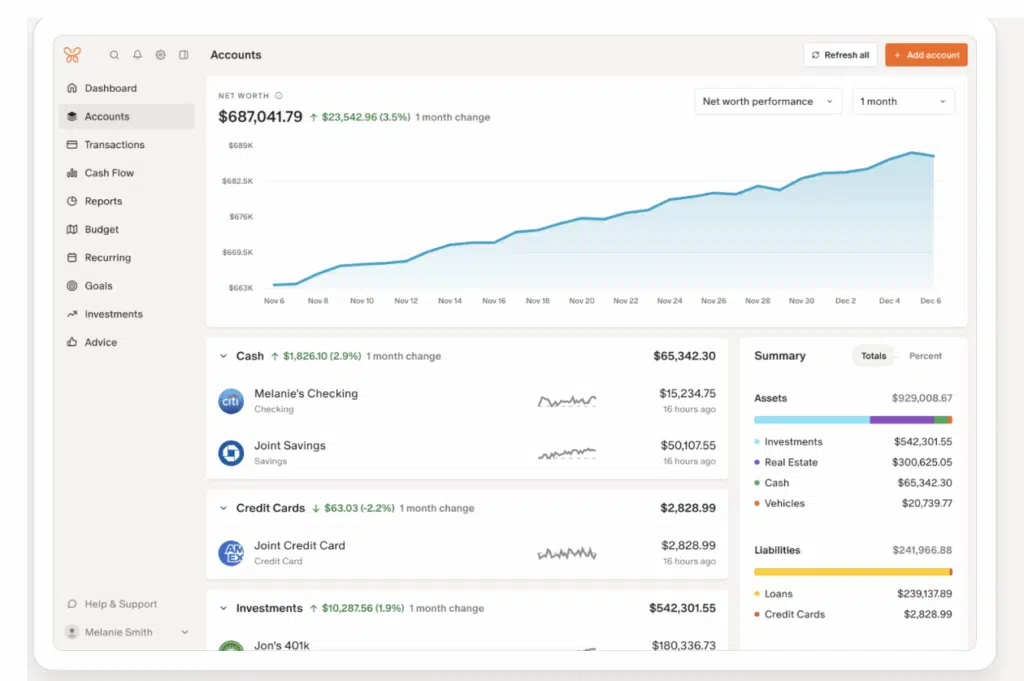
For individuals prioritizing budgeting alongside net worth monitoring, Monarch Money offers a versatile, feature-rich environment. The platform allows users to connect a wide array of asset and liability accounts, track investment performance, and sync real estate values, vehicle valuations via vehicle identification numbers, and even specific credit card accounts like the Apple Card.
Beyond tracking a balance sheet, Monarch functions as a comprehensive budgeting and subscription management tool. It features customizable category rules, fixed versus variable expense tracking through its flex budgeting system, and an intuitive user interface accessible via web browsers and mobile devices. Recent updates to the platform include built-in artificial intelligence assistants capable of answering queries regarding user data, as well as receipt-scanning technology that automatically matches uploaded receipts to corresponding transactions and categorizes expenses.
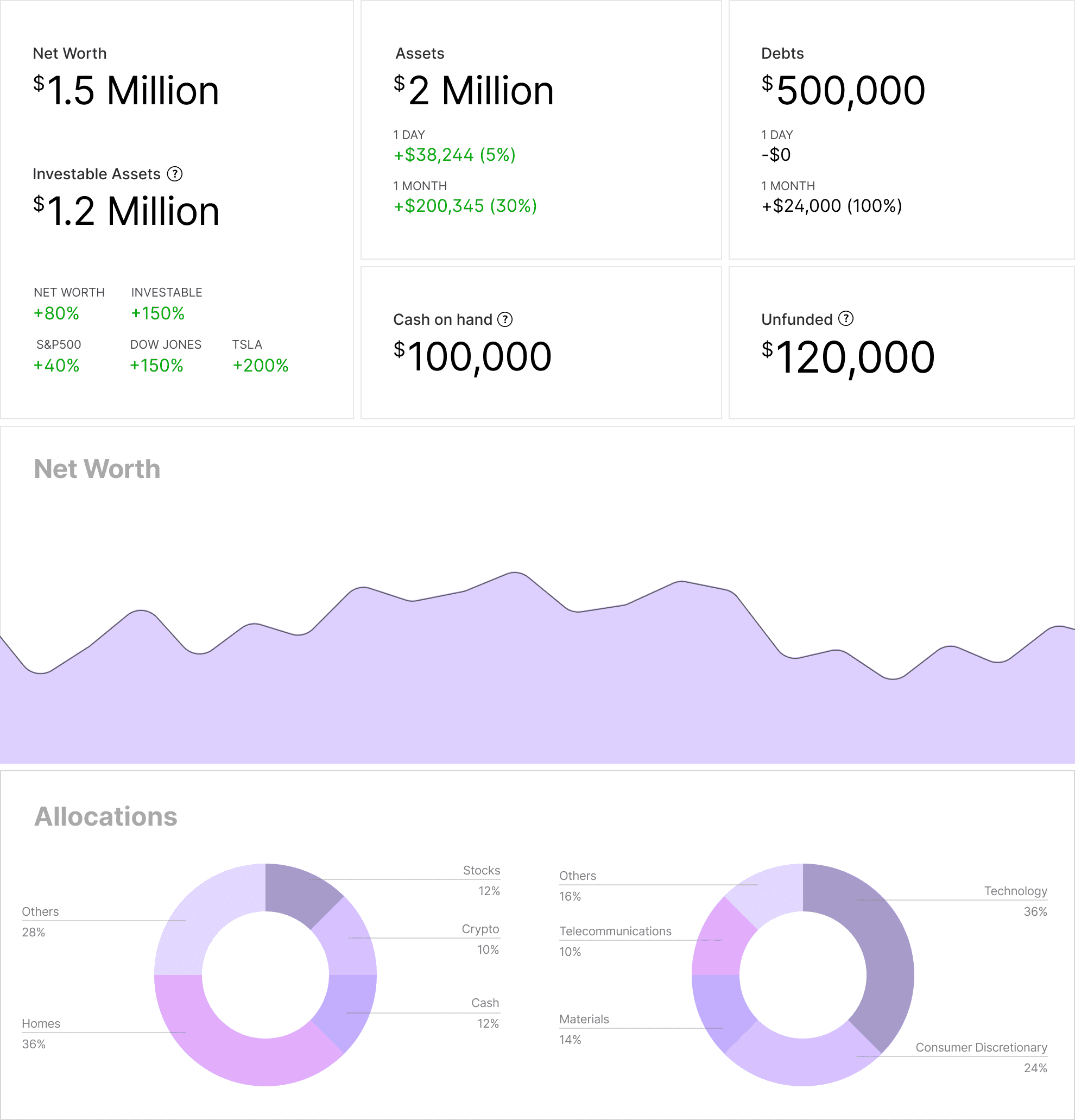
Rocket Money: Streamlining Subscriptions and Daily Spending
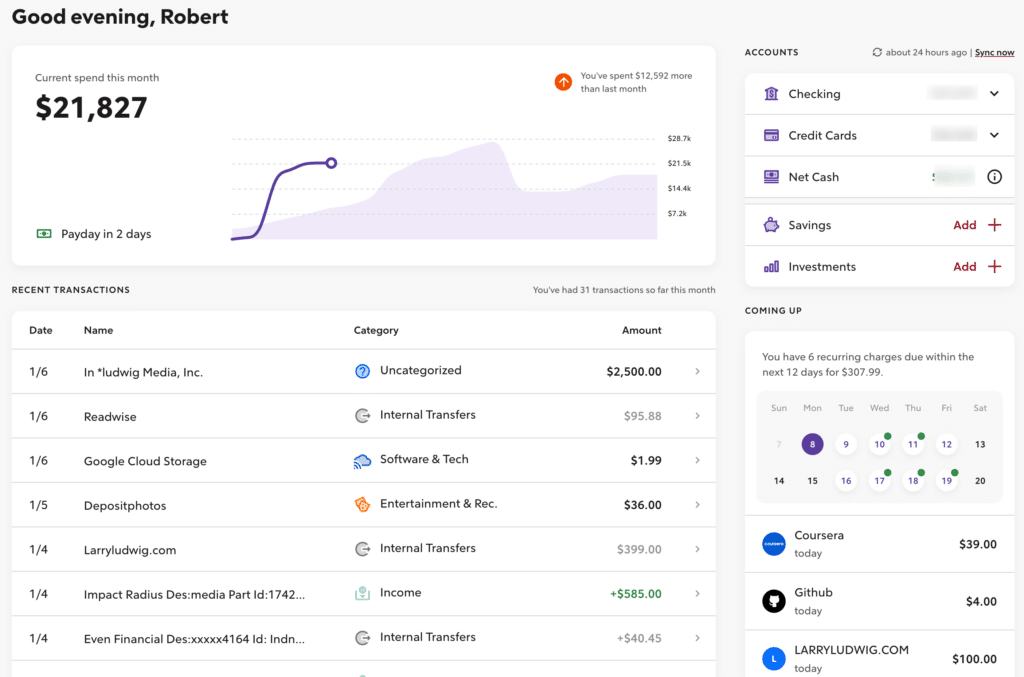
Rocket Money has gained traction as an effective solution for personal and business budget management, combining an accessible interface with practical financial oversight. The platform excels at fundamental tasks such as tracking daily spending, establishing budgets, and setting automated rules for categorizing transactions.
A primary strength of Rocket Money lies in its subscription management capabilities. The application identifies recurring charges, highlights unnecessary subscriptions, and simplifies the cancellation process. Users can also link investment accounts to maintain visibility over their broader financial picture, making it a viable alternative for individuals seeking a streamlined replacement for legacy budgeting tools.
Kubera: Specialized and Advanced Wealth Monitoring
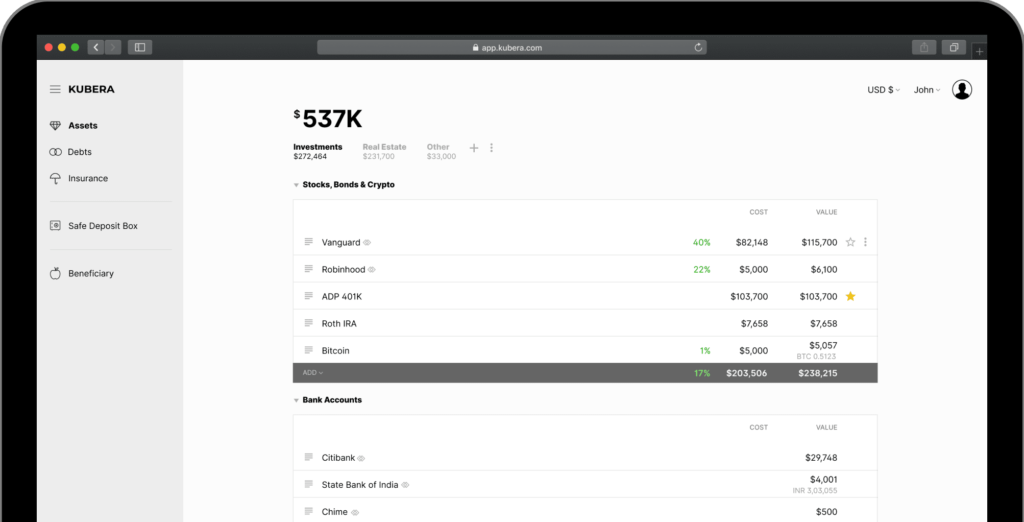
For users whose primary focus is sophisticated net worth tracking rather than daily budgeting, Kubera provides an advanced, highly customizable environment. The platform supports connections to a vast array of financial institutions, brokerages, and retirement accounts. Furthermore, it accommodates unique assets such as vehicles, physical property, and even domain names.
Kubera features a clean user interface that allows individuals to organize assets and liabilities according to their personal preferences. In addition to standard balance sheet tracking, the platform offers capabilities for storing vital documents, monitoring insurance policies, and gaining preliminary insights into asset allocation.
Simplifi: Streamlining Finances Through Mobile Design
Developed by the creators of Quicken, Simplifi offers a streamlined digital experience optimized for users who manage their finances primarily through mobile devices while retaining desktop accessibility. The platform provides tools for establishing financial goals, monitoring spending habits, and viewing account balances in real time.
Recent enhancements to Simplifi include integrated investment tracking capabilities, rounding out its utility as a combined budgeting and net worth monitoring application. The software emphasizes visual clarity and ease of use, making it appealing for individuals who prefer a modern interface for tracking their financial trajectory.
Tiller: Spreadsheet-Centric Financial Control
For individuals who prefer the flexibility of traditional spreadsheets over dedicated mobile applications, Tiller offers a unique approach by integrating financial tracking directly into Google Sheets and Microsoft Excel. The service connects to thousands of financial institutions and automatically downloads daily transaction data and balances into customizable spreadsheet templates.
Tiller provides pre-built templates designed for monthly and yearly budgeting, as well as dedicated net worth tracking. Because the data resides within a user’s own spreadsheet environment, individuals retain complete ownership and control over their financial information, making it an attractive option for spreadsheet enthusiasts who want automated data feeds without sacrificing customization.
Final Perspectives on Financial Monitoring
Ultimately, measuring financial progress remains grounded in the fundamental equation of assets minus liabilities. While simple manual spreadsheets have served this purpose for generations, modern financial applications reduce friction through automation, secure data aggregation, and analytical insights. Whether an individual prefers a robust free investment dashboard, an AI-assisted budgeting app, or a fully customizable spreadsheet, today’s digital ecosystem offers diverse avenues for maintaining clarity over long-term financial health.






No comments yet. Be the first to join the conversation!