
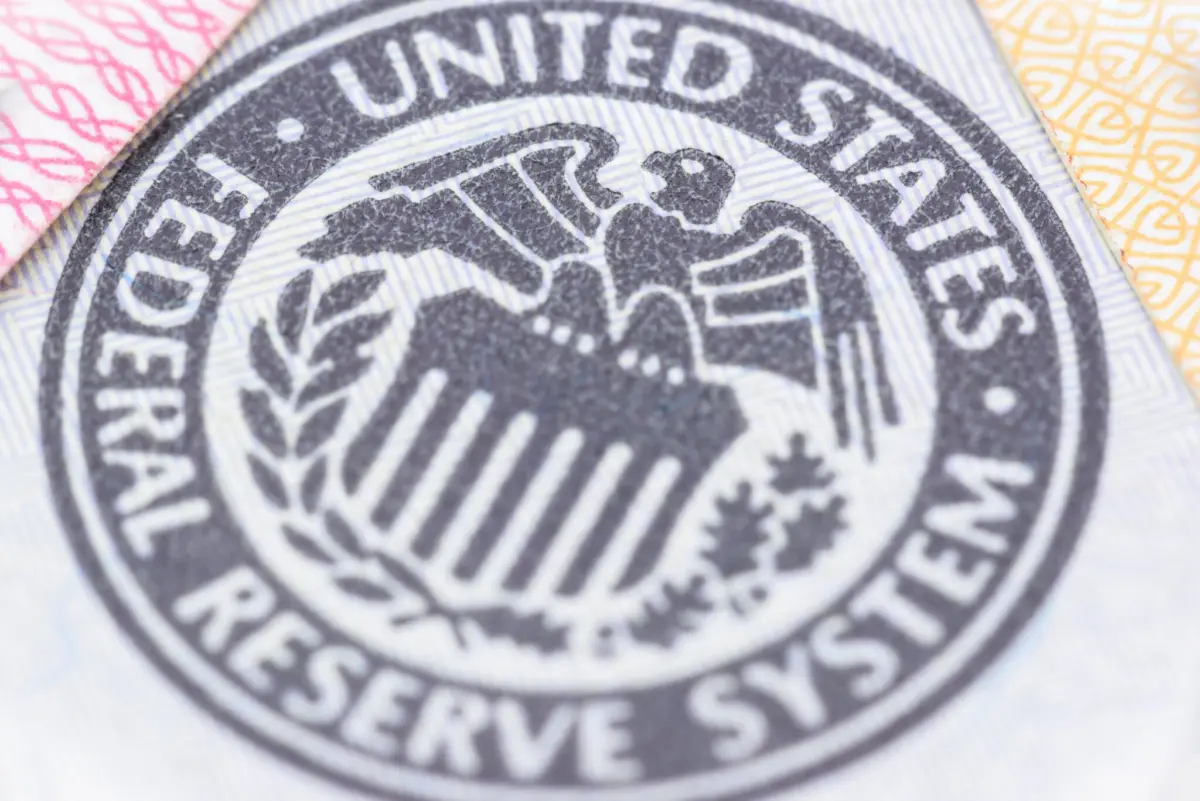
The regulatory and legal landscape surrounding digital asset banking and Federal Reserve master accounts has shifted dramatically following a series of high-profile developments. At the center of the discourse is the long-running legal battle between Custodia Bank and the Federal Reserve, a conflict that recently culminated in the U.S. Supreme Court denying the digital asset bank’s appeal. As the dust settles on that multi-year dispute, Federal Reserve officials have begun offering deeper insights into the regulatory strategies and policy proposals that shaped the outcome, even as broader debates over financial compliance, cyber regulations, and congressional oversight loom large over the banking sector.

Federal Reserve Governor Christopher Waller recently addressed the strategic maneuvers that characterized the central bank’s defense against Custodia Bank’s push for a master account. When Waller floated the concept of a "skinny" account proposal—a limited-access payments account designed to offer restricted services—it drew significant attention from legal experts and financial institutions alike. While Waller noted that he was not intentionally trying to scuttle the digital asset bank’s lawsuit with the idea, he acknowledged that the proposal ultimately had that exact effect.
The introduction of the limited-access framework altered the terrain of the litigation, presenting an alternative pathway that complicated Custodia’s core argument for full, unencumbered master account access. For years, the Wyoming-based digital-asset bank had waged an aggressive campaign to secure a master account as a matter of right, arguing that the Federal Reserve was legally obligated to grant access to eligible depository institutions. However, the high court’s decision to deny the institution’s request for an appeal effectively draws the curtain on that judicial crusade, leaving the bank’s aspirations unfulfilled for now and cementing the Fed’s discretionary authority over master account adjudications.

This resolution comes at a time of broader introspection within the federal regulatory apparatus regarding risk management, supervisory frameworks, and the overall trajectory of financial oversight. The intersection of digital assets, traditional banking, and regulatory stringency has exposed philosophical divisions among top officials and agencies alike.
Earlier in November, Federal Reserve Governor Michael Barr, who previously served as the Fed’s vice chair for supervision, raised public concerns regarding the push for deregulation within what he characterized as a "risk-on environment." Barr cautioned that financial regulators might be pulling back structural restraints and compliance guardrails at an inopportune moment. As market participants display a heightened appetite for risk and technological innovation continues to blur the lines between traditional finance and digital assets, supervisory leaders argue that maintaining rigorous standards is essential to preserving systemic stability. Barr’s warning highlights an ongoing tension within regulatory agencies, where the desire to foster innovation and reduce compliance burdens frequently collides with the mandate to protect the banking system from unforeseen vulnerabilities.

This divergence in regulatory philosophy is not limited to the Federal Reserve; it is also visibly straining relationships among other primary federal bank regulators. A notable example involves a policy split between the Office of the Comptroller of the Currency and the Federal Deposit Insurance Corporation regarding how examiners should handle and penalize cyber security gaps at supervised institutions.
Under a rule that took effect in late October, the FDIC implemented a compliance approach where cyber weaknesses identified by examiners that cannot be directly tied to a bank’s balance sheet may result in only an informal note rather than a formal enforcement action. This divergence highlights distinct supervisory styles and priorities among regulators. While some agencies advocate for a hardline stance that treats every operational or technological vulnerability as a severe threat, others are adopting more nuanced frameworks that distinguish between immediate balance-sheet risks and secondary operational hurdles. For community and regional banks navigating these examinations, differing agency interpretations create a complex compliance puzzle that requires careful navigation.

Adding to the shifting regulatory matrix are impending political changes in Washington that promise to reshape the legislative and supervisory horizon for the banking industry. As political dynamics shift in Congress, financial institutions are being advised by policy experts to brace themselves for a much higher degree of legislative scrutiny. Industry veterans and advisors note that bankers can count on more active and aggressive oversight from the legislative branch, alongside a likely deceleration of major regulatory reforms. When congressional committees intensify their focus on banking practices, compliance officers and executive leadership typically find themselves dedicating substantial resources to congressional inquiries, testimony preparation, and legislative monitoring.
The convergence of these events—ranging from the definitive Supreme Court closure of the Custodia litigation and Governor Waller’s reflections on the "skinny" account strategy, to Governor Barr’s warnings on deregulation and the operational policy gaps between the OCC and FDIC—illustrates a pivotal moment for the U.S. financial system. Regulatory agencies are simultaneously defending their discretionary powers in federal court, debating the merits of loosening supervisory restraints, and adapting to shifting inter-agency standards for cyber compliance. As banks digest these developments, the overarching message from Washington is that while specific legal battles may reach their conclusion, the broader struggle over the future of banking regulation, digital asset integration, and institutional oversight remains very much active.







No comments yet. Be the first to join the conversation!