
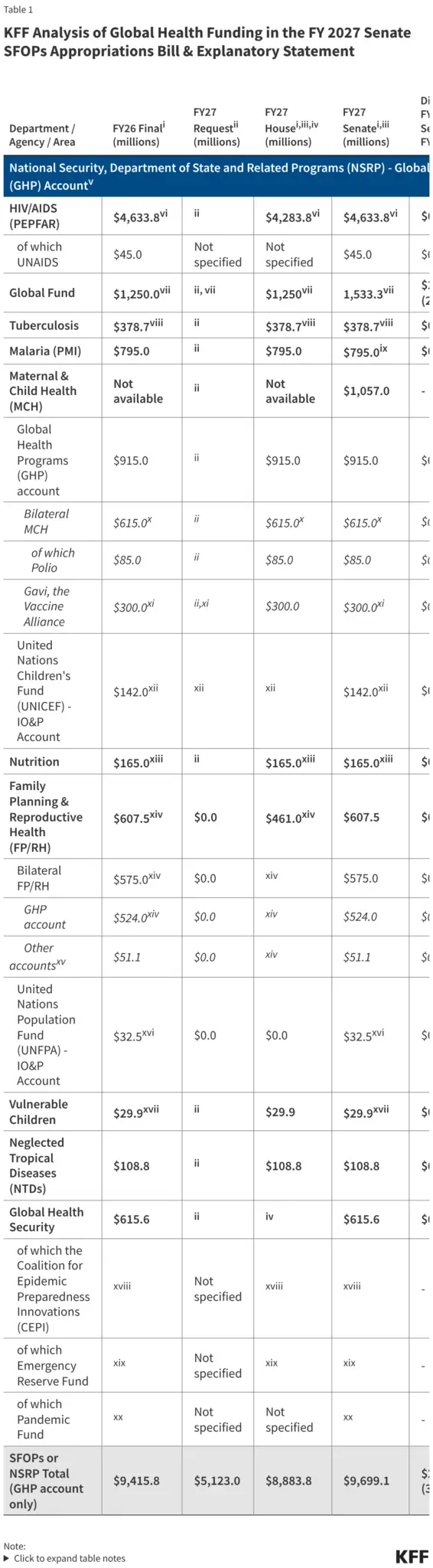
The United States Senate Appropriations Committee officially released its fiscal year 2027 appropriations bills and accompanying reports, marking a significant milestone in the ongoing federal budget process. Published on November 16, 2026, the newly unveiled legislative packages cover two critical areas of federal spending: State, Foreign Operations, and Related Programs—also recognized in recent legislative cycles as National Security, Department of State and Related Programs in both the final fiscal year 2026 measures and the fiscal year 2027 House appropriations bills—alongside the Labor, Health and Human Services, Education, and Related Agencies measures.
Together, these sweeping appropriations bills provide the financial backbone for the vast majority of United States global health activities, foreign assistance, and domestic health and education initiatives. Beyond raw funding allocations, the legislative texts and their accompanying explanatory statements incorporate vital policy provisions, directives, and strategic guidance that will directly impact, shape, and govern how global health funds are prioritized, distributed, and implemented across international borders in the coming fiscal year.

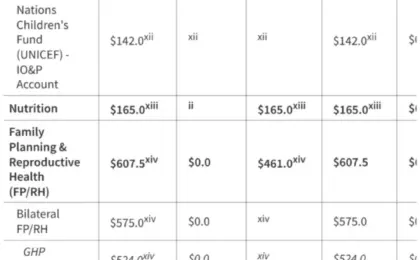
The release of the Senate’s proposals allows policy analysts, global health advocates, government agencies, and lawmakers to begin detailed comparisons between the spending trajectories envisioned by the Senate and those put forward earlier by the House of Representatives. For instance, while the House version of the legislation and its associated explanatory material directed a specific total of $8.8 billion toward the Global Health Programs account, the framework of how individual programmatic lines are managed reveals notable distinctions. The House explanatory statement provided explicit funding amounts for core components such as HIV and AIDS programs, contributions to the Global Fund, tuberculosis prevention and treatment, malaria initiatives, maternal and child health, nutrition programs, support for vulnerable children, and neglected tropical diseases. However, the House framework notably omitted specific earmarked amounts for global health security as well as family planning and reproductive health programs, leaving open questions that are addressed differently within the broader context of the newly released Senate measures and ongoing bicameral discussions.
The State, Foreign Operations, and Related Programs package, commonly referred to as SFOPs, carries immense weight regarding America’s diplomatic footprint, international development efforts, and global health security architecture. The SFOPs bill and its comprehensive explanatory statement lay out specific funding levels and policy instructions for U.S. global health programs managed through the Department of State and the United States Agency for International Development. These provisions govern everything from pandemic preparedness and health systems strengthening to targeted interventions against infectious diseases that threaten both vulnerable populations abroad and domestic security at home. Because these foreign operations accounts fund the frontline defense against emerging global pathogens and chronic global health burdens, the Senate committee’s recommendations serve as an essential indicator of bipartisan or committee-level priorities for international engagement.
Running parallel to the foreign affairs funding is the Labor, Health and Human Services, Education, and Related Agencies appropriations bill, which addresses critical domestic infrastructure while also intersecting with international and global health research, coordination, and agency execution. The LHHS legislation impacts numerous domestic agencies—such as the Department of Health and Human Services and its constituent public health bodies—that routinely collaborate with global partners, conduct vital epidemiological research, and contribute technical expertise to international health security efforts. The juxtaposition of the SFOPs and LHHS bills provides a comprehensive view of how federal lawmakers approach health priorities spanning both domestic populations and international communities.
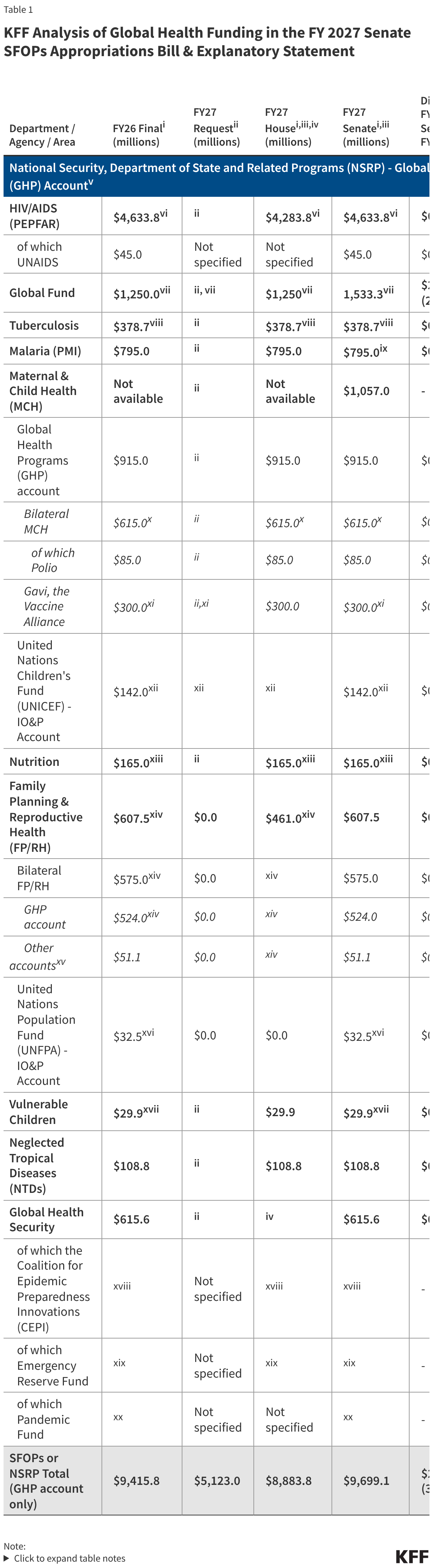
To fully understand the trajectory of these funds, stakeholders frequently turn to historical data and specialized tracking tools. Detailed breakdowns of the figures contained within the Senate SFOPs and LHHS bills, alongside comprehensive historical analyses, are maintained through specialized budget summaries and interactive tracking platforms, such as those provided by KFF, which monitor annual appropriations trends for global health programs over multiple decades. These resources allow researchers to place the fiscal year 2027 proposals into a broader historical context, evaluating whether funding for specific global health pillars is expanding, contracting, or remaining level relative to prior budget cycles.
As the legislative process moves forward following the November release, lawmakers from both chambers will need to reconcile the differences between the House and Senate versions of the fiscal year 2027 appropriations bills. The discrepancies—ranging from overall account totals in areas like the Global Health Programs fund to specific programmatic allocations for family planning, reproductive health, and global health security—will form the core of upcoming negotiations. The final outcome of these appropriations bills will ultimately dictate the scope, reach, and effectiveness of United States leadership in global health and foreign assistance for the upcoming fiscal year.







No comments yet. Be the first to join the conversation!