
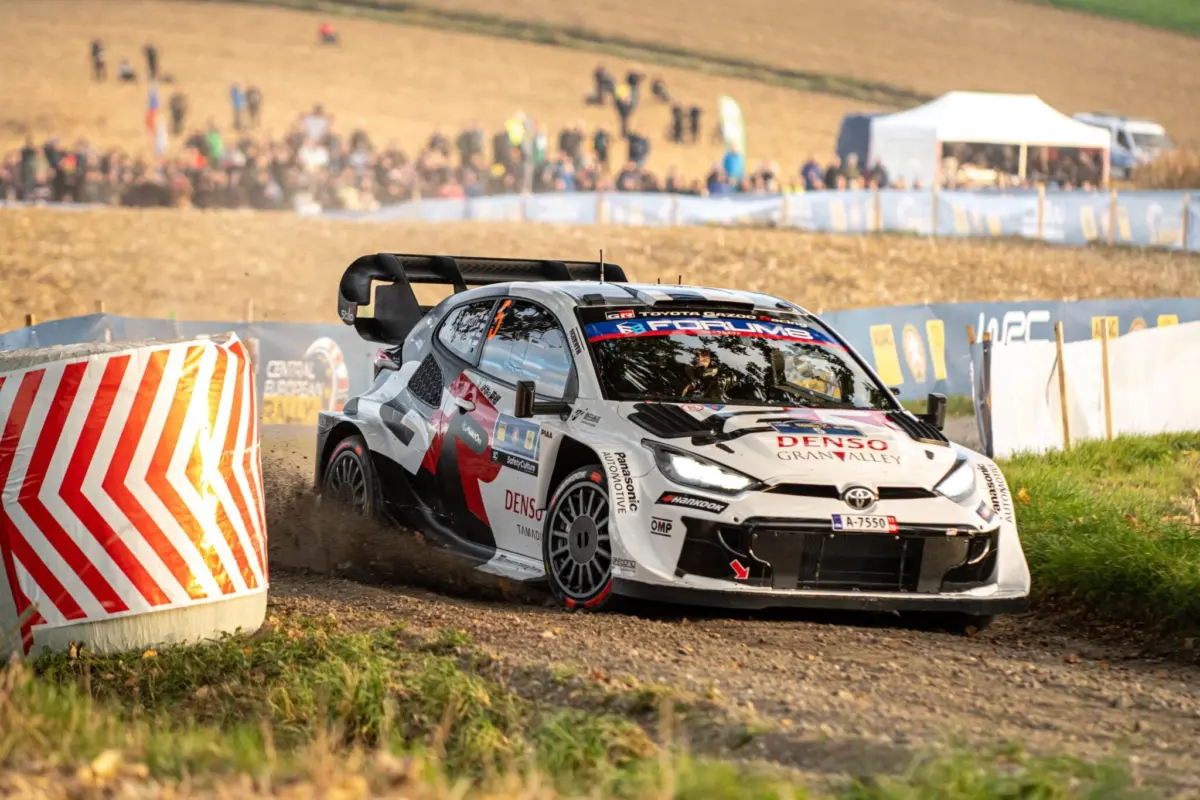
Rally racing has always occupied a distinct and fiercely independent corner of the motorsport universe, functioning much like Formula 1’s estranged sibling. While the pinnacle of open-wheel racing—Formula 1—boasts immaculate asphalt tracks, gleaming pit lanes, and high-dollar luxury partnerships, the World Rally Championship (WRC) distinctly prefers the beaten path. Both premier racing series fall under the overarching governance of the Fédération Internationale de l’Automobile (FIA), yet their driving styles, mechanical demands, and aesthetic approaches could not be more different. Where F1 relies on aerodynamics and split-second pit stop strategies on closed circuits, WRC drivers wrestle high-powered machines over loose gravel, treacherous ice, thick mud, and narrow mountain passes, relying entirely on co-drivers shouting pace notes to survive every blind crest and hairpin turn.
For decades, the WRC has maintained its traditional strongholds across Europe and Asia, where rallying is woven into the cultural fabric of automotive enthusiasm. However, the global tides are finally starting to turn in favor of North American venues. After a nearly 40-year hiatus from hosting a round of the world championship on U.S. soil, the WRC is officially heading back for a gritty, high-stakes battle in America. This milestone development represents a massive win for American rally fans who have long watched the world’s best drivers compete exclusively overseas. It is equally significant for Ford, a manufacturer that has maintained a deep, historic involvement with the WRC for more than half a century.

Ford’s legacy in the sport dates back to the very inception of the championship. The American blue oval was an early and eager investor in the WRC, pitting a fleet of Ford Escorts and Capris against well-established European works teams during the championship’s inaugural rally in Monte Carlo, Monaco, in 1973. That opening event proved to be an absolute war of attrition. Out of a massive starting grid of 278 cars, only 44 managed to cross the finish line. The mighty Fords fared remarkably well under the brutal conditions. Of the 21 Ford entries that took the start, three successfully completed the grueling distance, with the top-finishing Ford crew securing an impressive fourth place overall behind a dominant pack of Alpine-Renaults.
In the decades since that punishing debut, Ford-supported teams have accumulated numerous WRC victories, world championships, and legendary moments, navigating various structural eras of the sport. This commitment persisted even after Ford withdrew its direct factory backing in 2013, transitioning instead into a successful semi-factory and semi-privateer operational model managed alongside longtime partners like M-Sport. However, the landscape is shifting dramatically once again. Ford recently announced that it will officially return to the WRC with full factory backing beginning in the 2028 season. The timing of this major corporate commitment is particularly fascinating, given that the American automaker is just about to compete aggressively on its home turf when the WRC officially returns to the United States next year. Adding to the anticipation, Ford also confirmed that a brand-new, purpose-built WRC race car will debut in 2029, signaling a long-term dedication to the highest level of global rallying.

While the return of the FIA World Rally Championship is a monumental occasion, the current landscape for domestic rally racing in the United States is anchored primarily by the American Rally Association (ARA). Operating with a character that is somewhat more grassroots and accessible than the hyper-regulated global WRC, the ARA has successfully cultivated a passionate following across the country. The ARA’s competitive lineup of classes and competing cars looks remarkably similar to the global rally scene, featuring fierce competition where manufacturers like Subaru, Hyundai, and Toyota frequently lead the pack across various regional and national stages.
Despite Ford’s enduring legacy and ongoing return to top-tier rallying, other domestic American automakers never truly embraced the rally spirit in their corporate strategies. General Motors historically owned Opel and provided vital backing to its successful European rally team operations during the 1980s, but GM’s primary American brand, Chevrolet, has largely limited its involvement to offering modest, grassroots support for a handful of rally-prepped Sonic and Cruze models over the years. Meanwhile, Stellantis’s current roster of American brands has similarly avoided catching the global rally bug, even though its vast international brand portfolio includes legendary historic rally victors such as Lancia, Peugeot, and Opel.

As preparation for the highly anticipated U.S. round intensifies, the WRC has not yet published the exact, finalized venue coordinates for Rally US. However, series organizers spent the summer months actively scouting potential locations across Tennessee and Kentucky. According to regional reports and industry insiders, the official competitive route is widely expected to land in the Knoxville, Tennessee, area, with certain stages potentially crossing state lines into parts of Kentucky. Official event tickets will go on sale to the public closer to the competition dates, which are officially scheduled to take place from August 26 through August 29.





No comments yet. Be the first to join the conversation!