
Most motorists have a mental checklist of non-negotiable specifications alongside deal-breakers that immediately remove a model from consideration. However, stepping away from practical necessities and standard options lists opens the door to pure imagination. Automotive enthusiasts are frequently asked to look past the constraints of standard manufacturing and dream about what could be. This week, the automotive community is being challenged to reach deep into their creative reservoirs and identify the ultimate vehicle features they wish automakers would actually build into production cars.
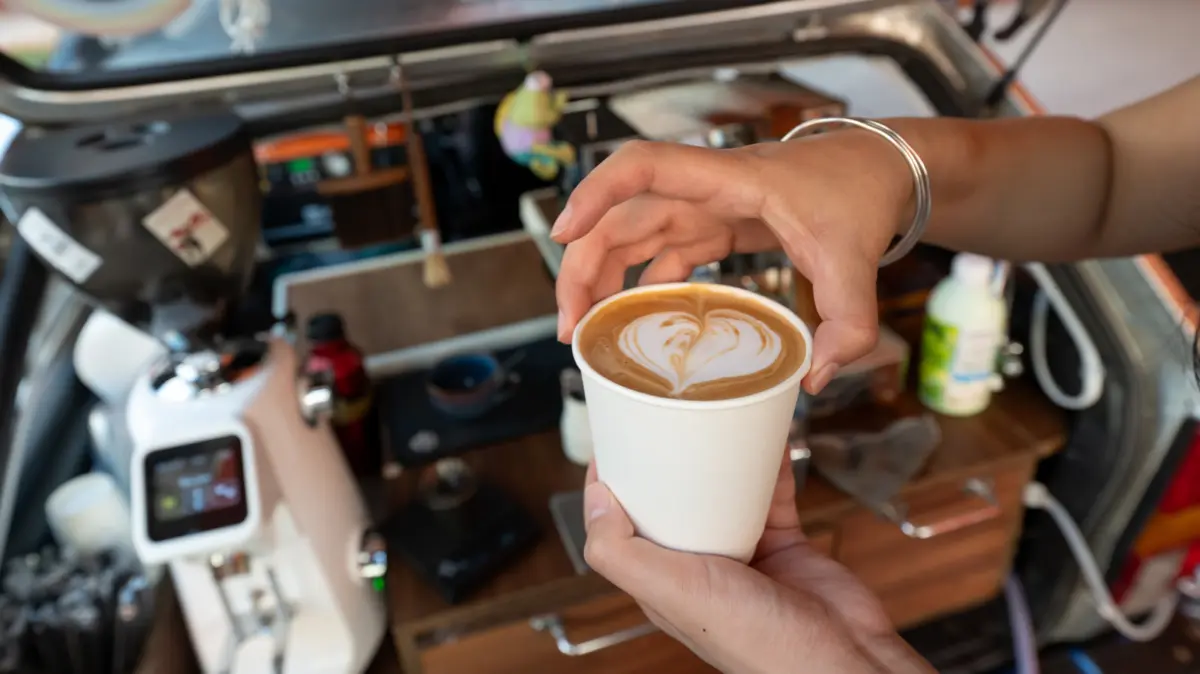
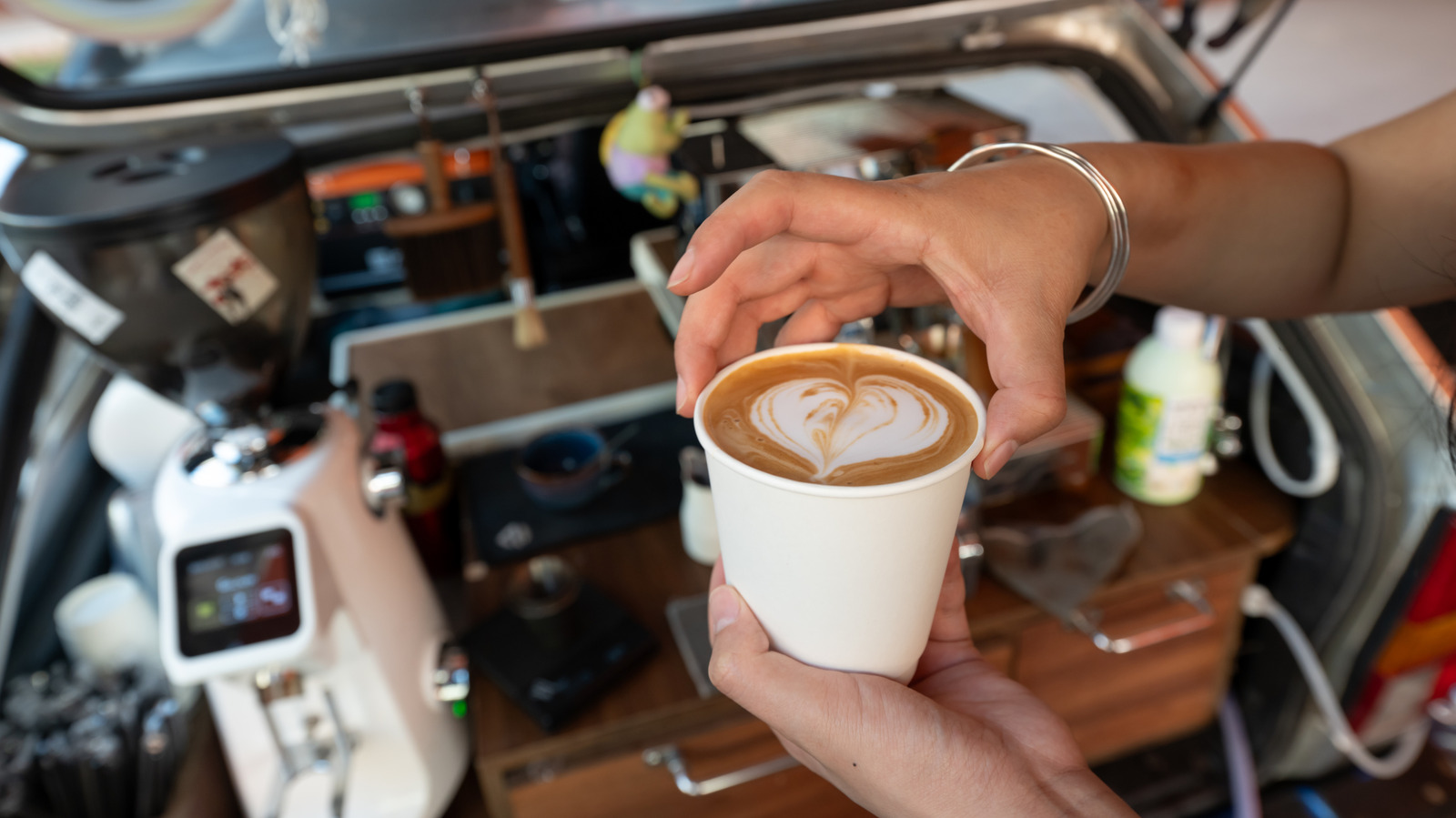
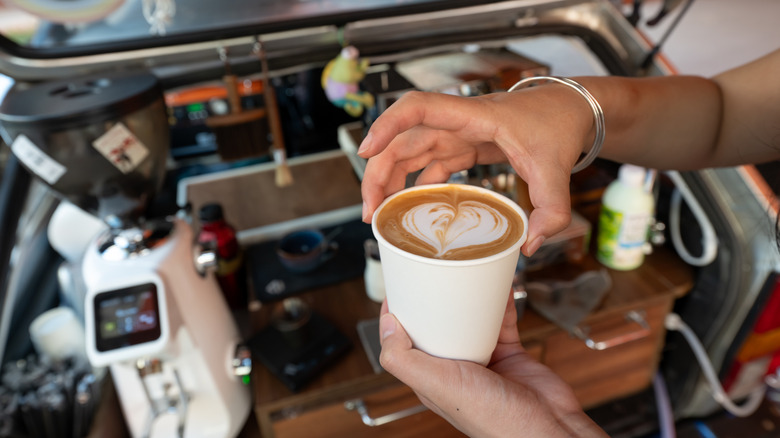
These desired innovations do not necessarily need to be grounded in past automotive history, nor do they even have to be features that have ever existed in a physical prototype. The scope is wide open for creativity and out-of-the-box thinking. For instance, motorsport fans and paddock attendees often joke about integrating built-in espresso makers into high-performance supercars like Ferraris and Lamborghinis during grueling endurance events like the Rolex 24 at Daytona. While practical engineering hurdles make such an application complicated for that specific environment, the concept remains undeniably appealing.
Interestingly, the idea of an in-car coffee machine is not entirely fictitious. Fiat previously offered a specialized, integrated coffee maker option for the 500L in the European market, though it utilized a portable pod-based system rather than a full commercial-grade espresso setup. This historical precedent proves that with enough creative engineering, even the most eccentric ideas can find a path to reality if manufacturers are willing to think differently.
A Sunshade for the Common Man
This week’s exploration into hypothetical automotive features draws its primary inspiration from an unexpected cinematic source: the legendary "Cocoa Dispenser" featured prominently on Santa’s sleigh in the 1994 holiday classic, "The Santa Clause." Watching such a device function seamlessly on the silver screen naturally raises lighthearted questions about fluid dynamics and why the hot beverage container doesn’t spill over the cup holders and onto everyone’s laps during high-speed flight. Naturally, the magic of a Christmas movie easily explains away any real-world physical limitations.
During the crisp days of the autumn season, the thought of a built-in hot cocoa dispenser sounds remarkably comforting. Yet, while the cooler weather brings pleasant atmospheric conditions, it also introduces a very real, perennial driving hazard: the low-angled setting sun that completely blinds motorists during westbound evening commutes or routine afternoon errand runs.
The remedy for this common annoyance could potentially stem from an adaptation of existing automotive technology. A luxury sedan like a 2016 Mercedes-Benz CLS 400, for example, features a practical, electronically deployed sunshade designed specifically to shield the rear window from intense light. Translating that exact mechanism to the front of the cabin introduces an intriguing possibility for engineers.
While government safety regulations naturally impose strict rules regarding anything that might obstruct a driver’s clear field of vision, the reality of human anatomy presents its own set of design challenges. Many licensed drivers are shorter than the average dimensions that modern vehicles are manufactured and catered to, rendering standard flip-down sun visors virtually useless against a low-slung sun. A retractable, motorized front window shade could theoretically bridge the frustrating gap between existing fold-down visors and the lower edge of the dashboard.
Drivers would no longer have to endure the awkward physical gymnastics of constantly readjusting a floppy visor to block a frustratingly small patch of blinding light. Instead, a simple dashboard button could electronically deploy the shade to a pre-determined, legally safe distance down the windshield to combat glare effectively. Alternatively, manufacturers could explore an advanced electrochromic sunroof application specifically tailored for the windshield—provided it avoids going completely opaque.
Ultimately, the automotive landscape is shaped by consumer desires and creative feedback. Car buyers continue to evaluate what works, what falls flat, and what might completely seal the deal on a new vehicle purchase if it were included on the options sheet.









No comments yet. Be the first to join the conversation!