
By Jonathan Small | Edited by Jessica Thomas
October 12, 2026
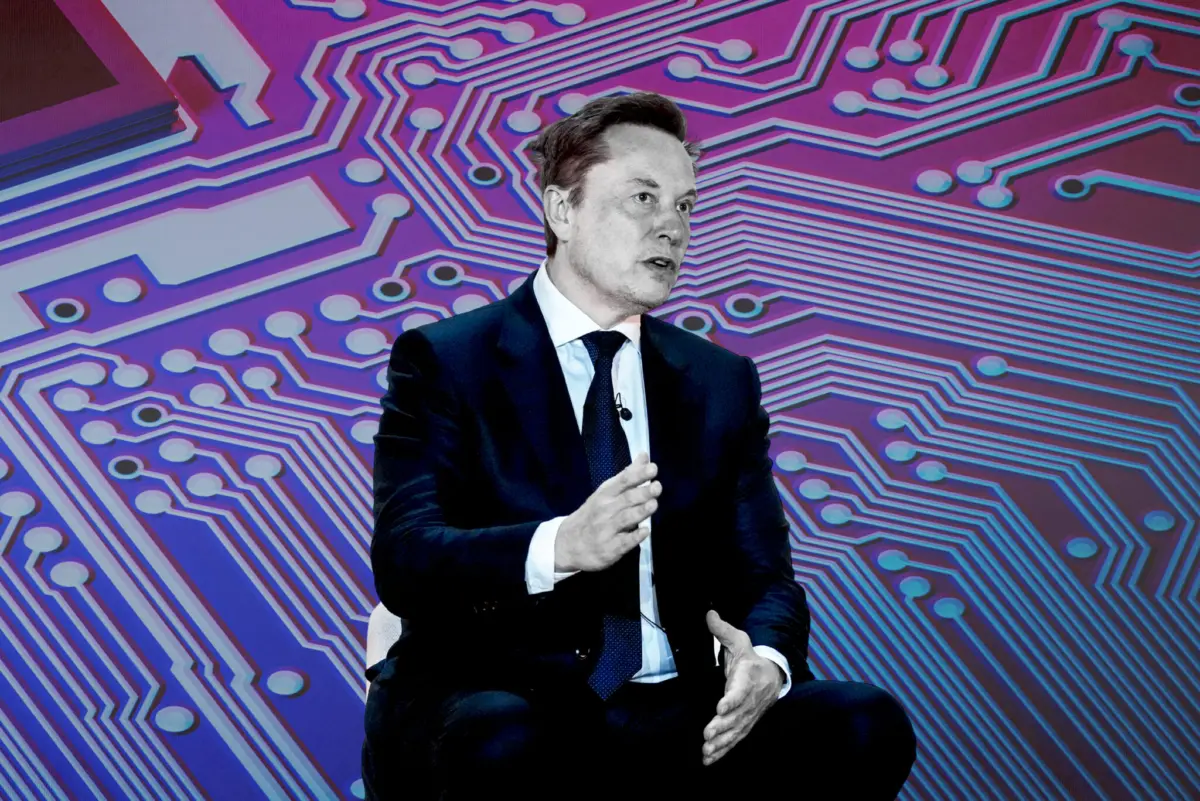
Elon Musk has never been a stranger to astronomical ambitions, but his latest venture takes his signature brand of audacious engineering into entirely uncharted territory. The billionaire entrepreneur has announced plans to build one of the world’s most advanced and ambitious microchip manufacturing facilities, an undertaking that aims to reshape the global semiconductor landscape. There is, however, just one remarkably candid complication standing in the way of immediate execution: Elon Musk has no idea how to actually make microchips.
Speaking candidly to customers and investors Saturday during the high-profile X Takeover event, Musk addressed the elephant in the room with characteristic bluntness, according to reports from the Business Standard. "I have no idea how to make microchips," Musk told the assembled crowd, before quickly pivoting to his trademark optimism by adding, "we’ll figure it out."
That willingness to dive headfirst into complex, multi-billion-dollar engineering challenges without a preexisting playbook is the very ethos that built SpaceX and Tesla. Now, that same philosophy is being applied to the semiconductor industry through a massive new initiative dubbed the Terafab project.
According to project outlines, Musk is preparing to establish a colossal semiconductor manufacturing facility in Texas. The venture is a collaborative effort involving his flagship companies, Tesla and SpaceX, and notably features established chipmaking giant Intel participating in the project. The sheer scale of the undertaking matches its lofty ambitions, calling for an initial capital investment exceeding $15 billion and projected to create approximately 3,000 high-tech jobs in the region.
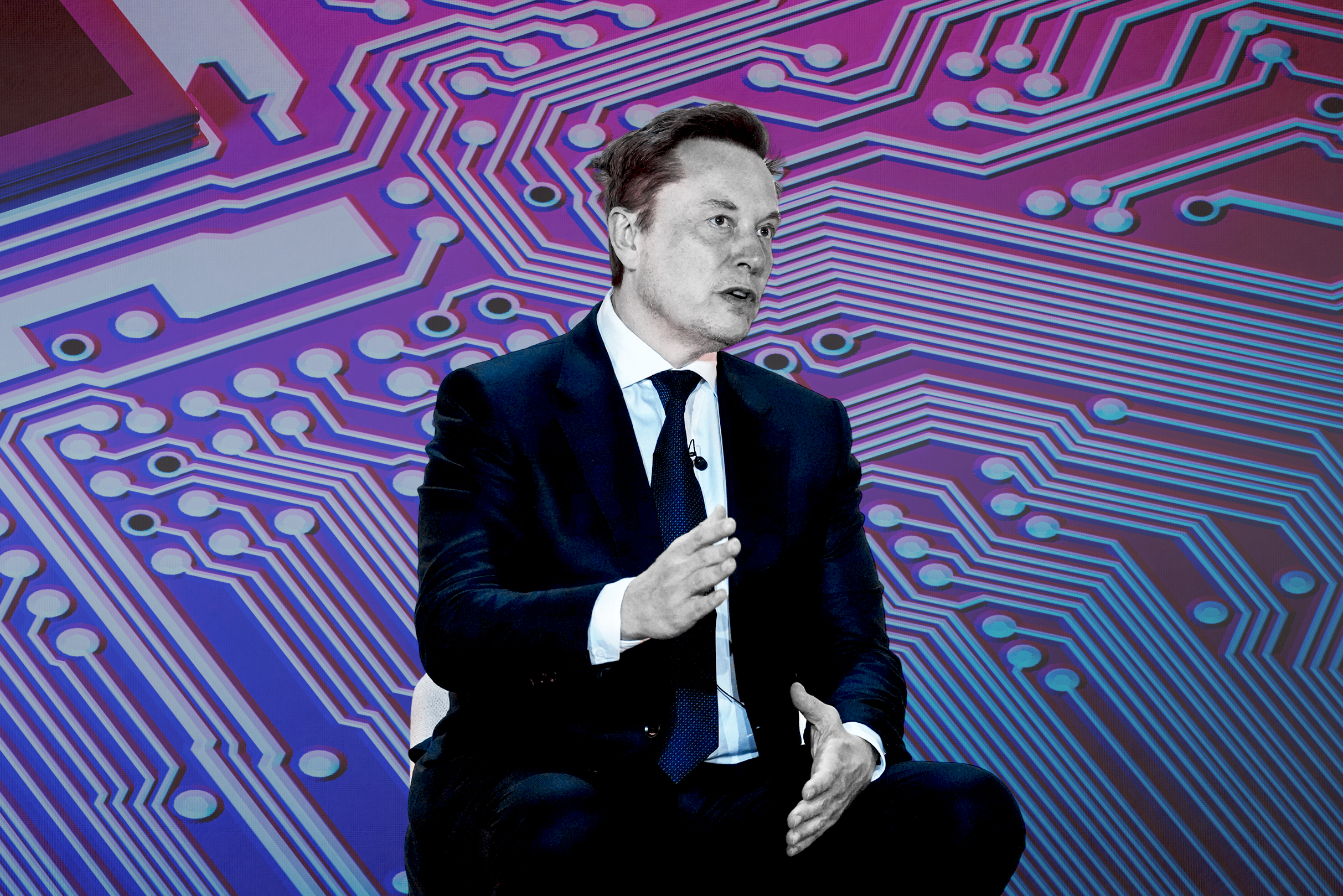
The global semiconductor market is currently dominated by a handful of established powerhouses, including Taiwan Semiconductor Manufacturing Company (TSMC), Samsung, and Intel itself. These entities have spent decades refining the microscopic, multi-billion-dollar art of lithography, building ultra-clean environments, and perfecting chemical processes that operate at the atomic scale. Yet, true to form, Musk believes his companies can eventually enter this fiercely competitive arena and outperform the very titans who currently rule it.
"We’ll figure out how to make chips better than anyone," Musk told attendees at the X Takeover event, though he tempered his bold prediction by acknowledging that the intricate process of reaching that peak level of efficiency and execution could take several years.
The strategy Musk plans to deploy relies heavily on the engineering principles that have defined his past industrial disruptions in automotive manufacturing and aerospace. Rather than reinventing the wheel entirely from day one, his approach involves starting with conventional chipmaking equipment, and then aggressively modifying it to improve production speed, efficiency, and throughput. Musk pointed to his companies’ extensive, hard-earned experience in developing customized manufacturing machinery and automated assembly lines as the core advantage that could ultimately give him an edge over legacy players.
Over the past two decades, Tesla revolutionized how electric vehicles are built by designing its own gigafactories and manufacturing lines from scratch, while SpaceX upended the aerospace industry by engineering reusable rockets and custom-built factory hardware in-house. Musk is betting that this cross-industry expertise in advanced factory automation and rapid mechanical iteration can be successfully translated into the hyper-precise world of semiconductor fabrication.
Even with that formidable track record of hardware innovation, Musk harbors no illusions about the steepness of the climb ahead. During his remarks, he openly characterized semiconductor manufacturing as "one of the hardest things to do in the world."
The complexity of modern chip fabrication cannot be overstated. It requires environments that are thousands of times cleaner than a hospital operating room, alongside extreme ultraviolet lithography machines that cost upwards of $200 million apiece and are produced by only a single company in the world, ASML. The physics of etching billions of microscopic transistors onto a single piece of silicon smaller than a postage stamp leave virtually zero margin for error.
By bringing together Tesla, SpaceX, and Intel in the Terafab project, Musk is attempting to pool resources, technical insight, and capital to accelerate a learning curve that typically takes decades to master. As the project breaks ground in Texas with its $15 billion price tag and thousands of prospective jobs on the horizon, the broader tech and automotive industries will be watching closely to see whether Musk’s unorthodox approach can conquer the intricate science of microchips, or if semiconductor manufacturing will prove to be the ultimate test of his engineering empire.









No comments yet. Be the first to join the conversation!