
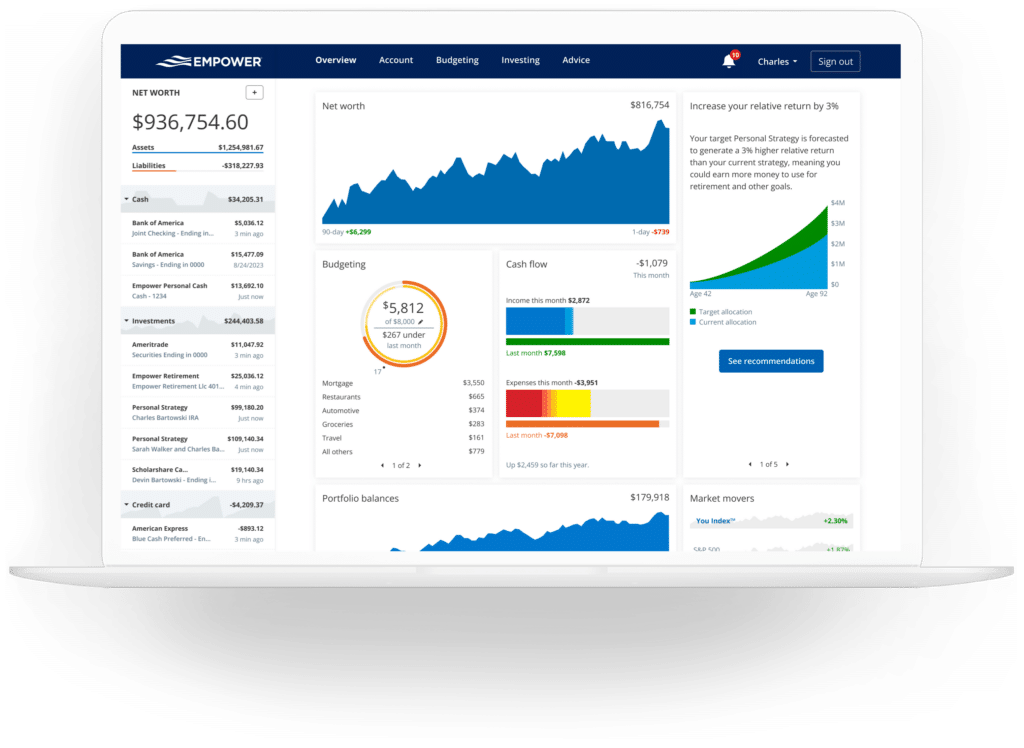
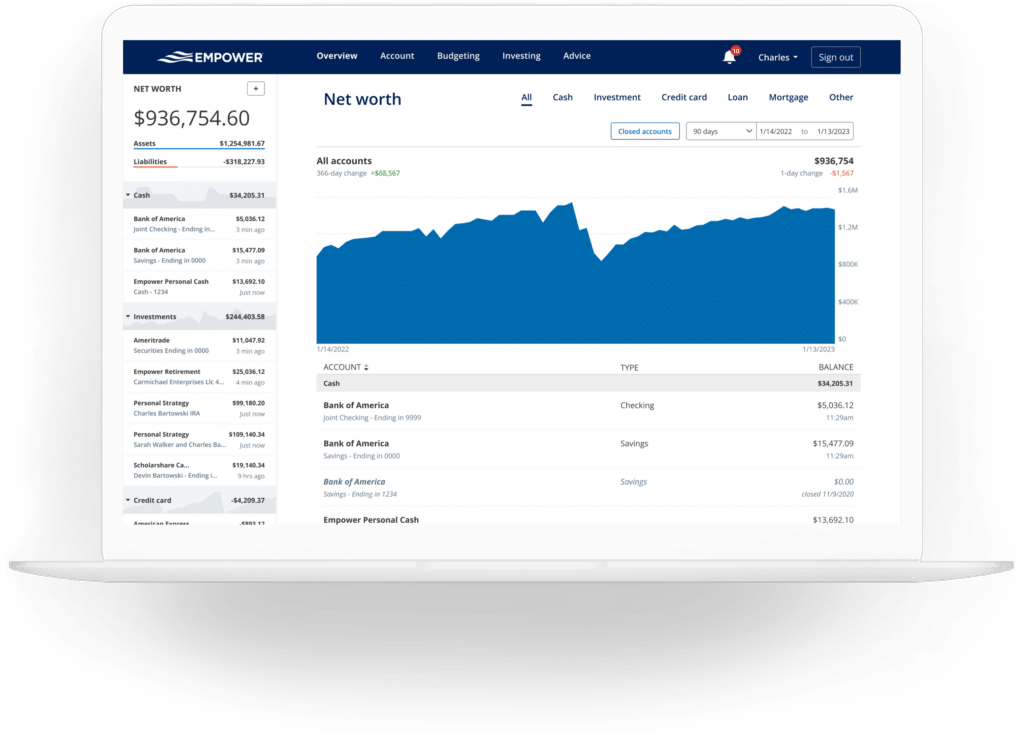
For years, users navigating the complex landscape of personal finance have searched for a single, centralized dashboard capable of overseeing 100% of their monetary assets. Empower, formerly known as Personal Capital, has long stood out as a prominent solution in this space. Offering a comprehensive view of checking, savings, credit cards, loans, investments, and even real estate, the platform provides a real-time snapshot of overall financial health and net worth. Available entirely free for its core financial tools, the service combines cash flow tracking, detailed investment analysis, and retirement planning into a unified interface.
Getting Started with Empower
The initial onboarding process begins by establishing a free account, followed by the crucial step of linking all relevant financial accounts. While the platform has built a strong reputation for tracking and analyzing complex investment portfolios, users often connect a wide array of everyday accounts, including traditional bank deposits, credit cards, mortgages, and personal loans. Even residential real estate can be integrated into the dashboard, with the system automatically pulling property valuations directly from Zillow.
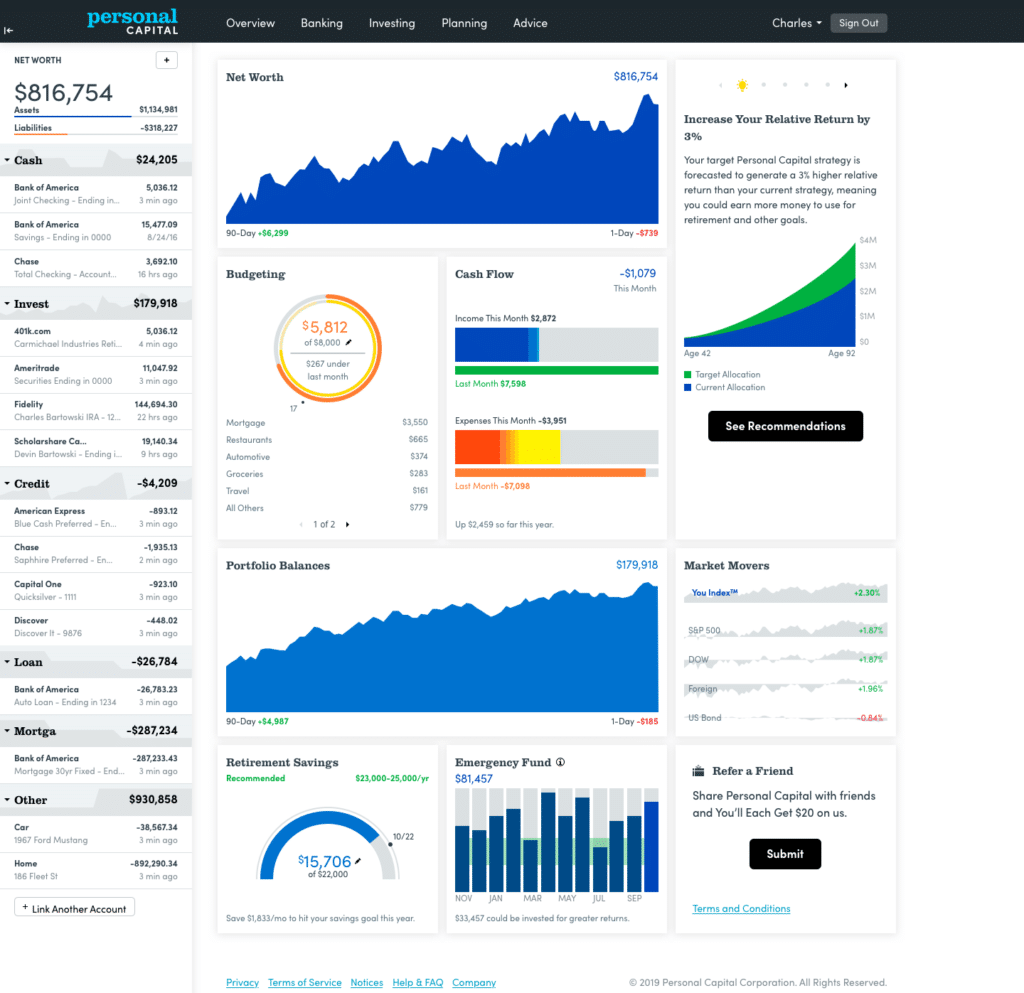
Connecting these institutions typically requires entering online login credentials through a secure search dialog box located on the main dashboard. For exceptional circumstances where a financial institution cannot be linked automatically, the platform permits manual data entry. Establishing these connections unlocks the full utility of the service, transitioning the experience from a simple investment tracker to a holistic hub for budgeting, net worth monitoring, and cash flow analysis. While users must connect at least one account to begin, subsequent accounts can be integrated gradually, though leaving out investment accounts diminishes the depth of the platform’s analytical capabilities.
Once accounts are connected, configuring the settings and profile sections remains a critical administrative step. Located through the user account menu, the settings tab allows individuals to manage email notification preferences for daily or regular updates regarding income, spending, and investment performance. Users can also configure essential security protocols, such as multi-factor authentication and login alerts triggered by foreign access attempts. The profile area captures foundational personal data, including marital status, income sources, and long-term savings objectives, which directly inform the platform’s built-in planning calculators.

Empower Banking and Cash Flow Management
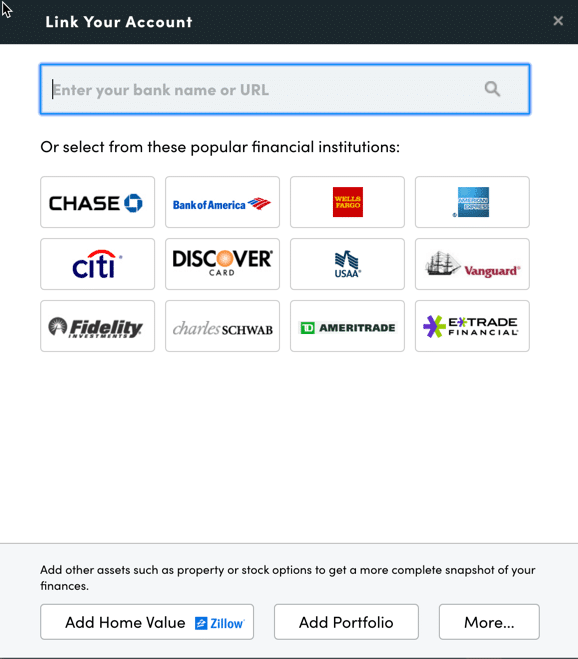
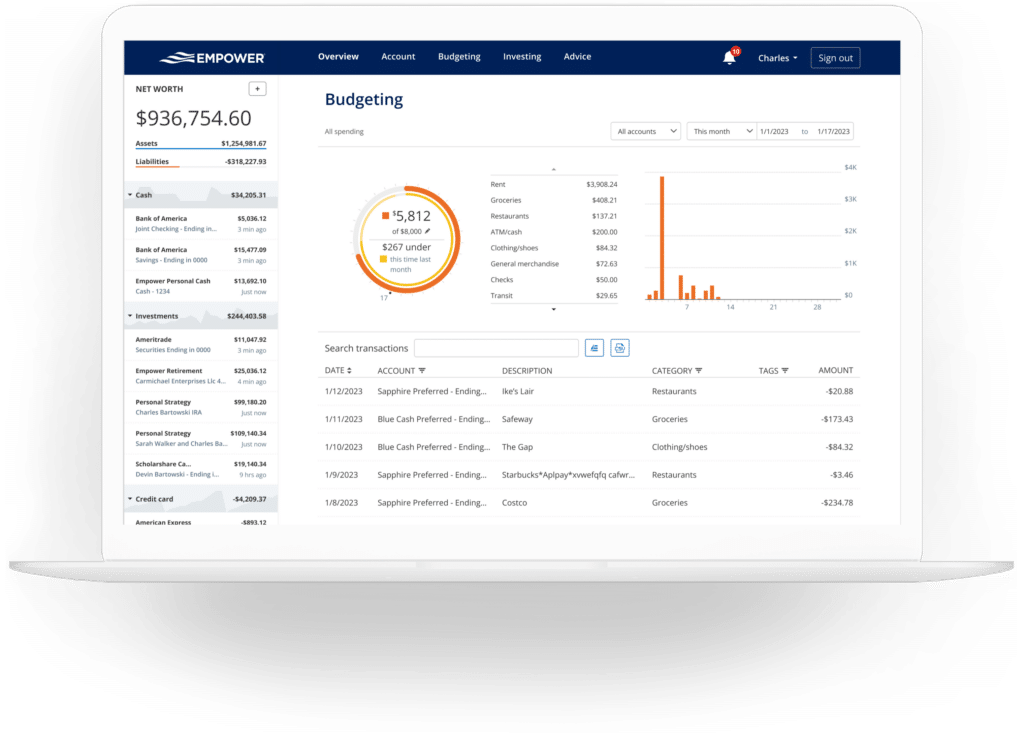
Beyond investment tracking, the platform delivers robust banking visibility through dedicated cash flow and budgeting functions. The cash flow reporting tool operates at the transaction level, automatically categorizing income and expenses while allowing users to drill down into specific details. This feature proves particularly useful for isolating specific data streams, such as reviewing business checking and credit card activity separately or examining dividend and interest income generated across an investment portfolio.
The budgeting functionality takes a macro-level approach rather than functioning as a traditional envelope-style budgeting application. While users can establish an overall monthly spending goal, the system does not support granular category-specific spending limits. Instead, it excels at categorizing and displaying historical spending imported from linked accounts. Although the platform generally categorizes transactions accurately, users typically spend a few minutes each month reviewing and refining categories. Supplementary features, such as transaction tagging, enable users to track specific subsets of expenses—like home maintenance projects—without creating entirely separate budget categories. Furthermore, by linking credit cards, mortgages, and loans, the bills feature helps users monitor upcoming payment due dates to avoid late fees and assist with monthly liquidity planning.
Investment Tracking and Portfolio Analysis
Investment tracking represents a core strength of the platform. Once retirement and taxable accounts are connected, the system automatically updates asset prices throughout the trading day, monitors fund expenses, and evaluates asset allocation. The holdings overview provides a granular breakdown of individual investments, performance metrics, and cost bases.
Asset allocation tools evaluate existing holdings to report on stock and bond distributions, breaking down domestic and international equities alongside fixed income and alternative assets. An interactive graphic representation allows users to examine the underlying composition of each asset class, even identifying cash holdings embedded within stock mutual funds. Additionally, the platform accommodates cryptocurrency investments, including Bitcoin, Ethereum, and Litecoin. Rather than requiring direct API access to crypto wallets or exchanges, users can manually add crypto assets by specifying the token symbol, exchange, and quantity, allowing the dashboard to track thousands of tokens across numerous platforms.
Planning Tools and Financial Projections
Advanced financial planning features elevate the platform beyond a simple aggregation tool. The retirement planner utilizes linked account data to assess long-term retirement readiness through interactive modeling. Users can construct and compare multiple scenarios side-by-side, adjusting variables such as retirement age, estimated Social Security benefits, tax rates, inflation assumptions, and life expectancy.
The savings planner consolidates three distinct trackers: retirement savings, emergency fund savings, and debt paydown. The retirement savings planner monitors annual contributions across tax-advantaged accounts like 401(k)s and IRAs, syncing directly with the broader retirement planner. The emergency fund planner aggregates linked bank balances, recommending a three-to-six-month reserve based on established monthly budget targets. Meanwhile, the debt paydown planner tracks loans, mortgages, and qualifying credit cards that carry balances across multiple billing cycles, displaying current balances, year-to-date changes, and prevailing interest rates.
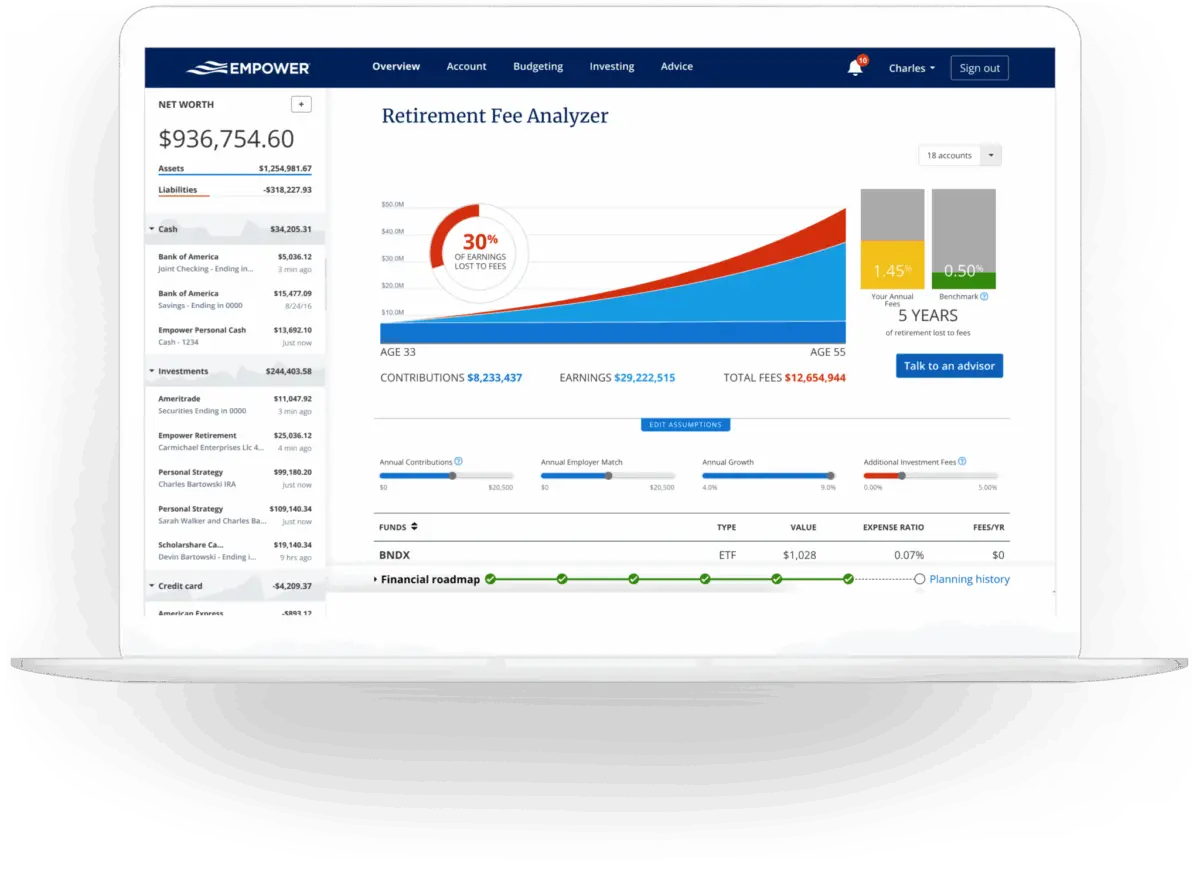
Retirement fee analysis addresses a critical aspect of long-term wealth accumulation. By calculating a weighted average expense ratio across all linked accounts, the platform exposes the compounding drag of advisory fees and mutual fund expense ratios over decades. By demonstrating how seemingly minor percentage fees translate into substantial financial losses over time, the tool underscores the importance of low-cost investing. Additionally, the investment checkup feature compares a user’s actual asset allocation against a recommended model tailored to their age, timeline, and risk tolerance, providing actionable insights for portfolio rebalancing.
Security and Platform Costs
Security measures include AES-256 data encryption with multi-layer key management, user-specific rotating keys, and strict credential isolation. Device authorization protocols require secondary confirmation via phone call, email, or text message for unrecognized sign-ins.
The core financial dashboard remains free of charge, supported by the provider’s optional wealth management services. While the platform utilizes its free tools as part of a broader advisory outreach model—which may involve phone outreach from financial representatives—users are not required to utilize paid advisory services to access the dashboard functionality. For those opting for professional wealth management, advisory fee structures scale according to assets under management, beginning at lower tiers for the first million dollars and decreasing for higher balances.








No comments yet. Be the first to join the conversation!