
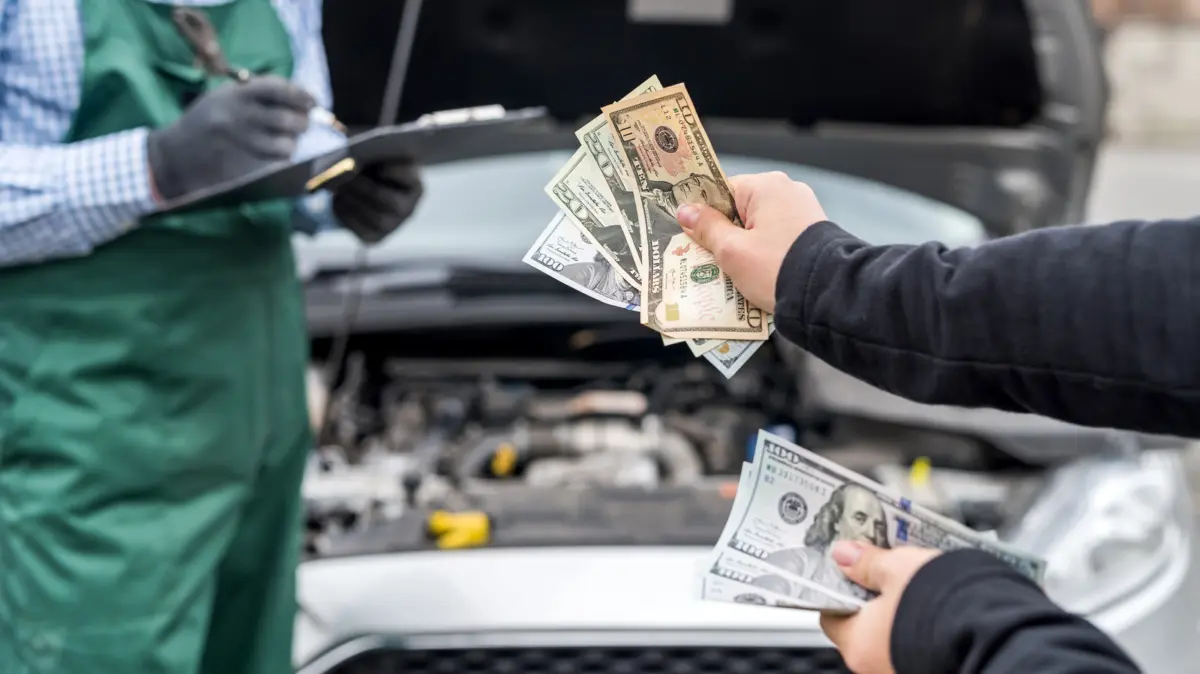
Everything has grown noticeably more expensive over the last few years, squeezing household budgets across the board. The price of gasoline remains persistently high, driven by well-documented market pressures, oil industry profits, and global geopolitical conflicts. Yet, buried beneath the more visible pain of surging fuel, utility, and grocery bills, a quieter financial crisis has unfolded for American drivers: the cost of keeping a vehicle on the road has skyrocketed by a staggering 60 percent since January 2019, according to data from the St. Louis Federal Reserve. By comparison, overall inflation has risen by roughly 32 percent over the same period, meaning car repair and maintenance costs have outpaced general inflation at a rate of roughly two to one.
Dealerships shoulder a portion of the blame for this trend, as they routinely charge higher labor rates and service fees than independent garages. However, even independent repair shops are dramatically jacking up their prices, and the root cause goes far beyond local greed. A recent visit by CNBC to Emil’s All-Tire in Brooklyn, New York, illuminated the unseen operational pressures driving these steep price increases.
Shop owner Ralph Czeisler pointed to an everyday service—the standard oil change—to illustrate how modern vehicle design has fundamentally transformed the auto repair business. During a routine oil change, Czeisler noted that technicians are frequently forced to connect a computer directly to the vehicle simply to reset the oil change indicator light. For certain luxury vehicles where an oil change might normally run around $400, accessing the proprietary software required to clear the warning light can add an extra $75 fee.
"You can’t just go and reset it," Czeisler explained during the interview. "You have to pay for information to download to your computer, to upload to the customer’s computer to reset the light. Otherwise it’s never going to reset and that costs more money. And the result? I pay more money. The consumer pays more money. It’s not fair. But this is how the industry practice has gone."
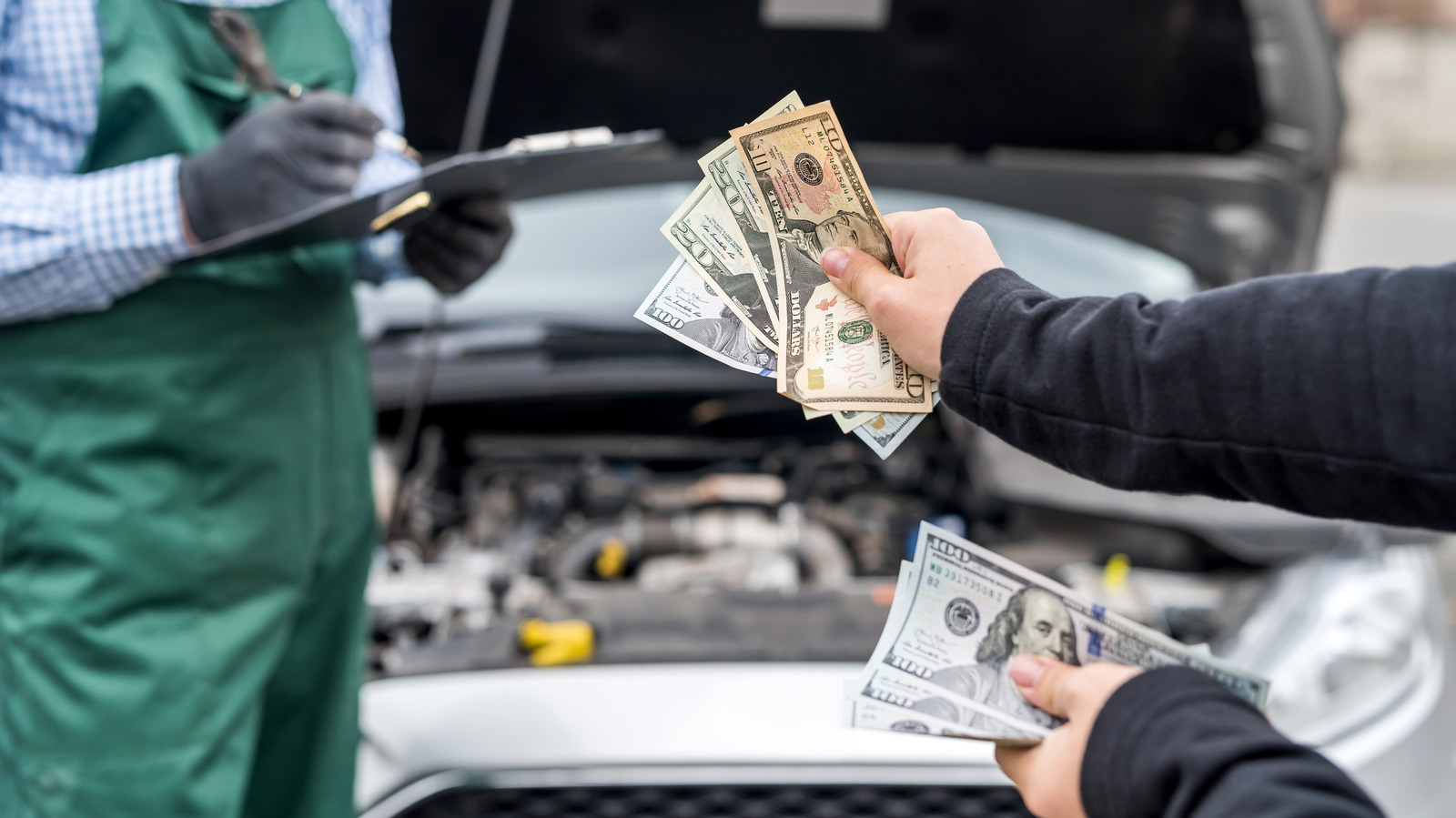
Modern automobiles have essentially evolved into rolling computers packed with countless microprocessors, sensors, and electronic control units. Diagnosing even minor issues and completing basic maintenance tasks now requires specialized electronic hardware and proprietary software licenses.
The more complex, the more expensive
Automakers are not building this high level of complexity into modern vehicles out of spite or merely to frustrate mechanics; rather, consumer demand and regulatory pressures have driven the widespread adoption of advanced driver assistance systems (ADAS). These sophisticated networks of cameras, radar arrays, and ultrasonic sensors allow vehicles to monitor their surroundings, maintain lane discipline, apply emergency braking, and assist with parking. However, according to data from AAA cited by CNBC, the inclusion of ADAS technology can increase the cost of a routine collision repair by more than 36 percent.
The financial ripple effects extend far beyond major accident damage into everyday wear-and-tear replacements. A simple windshield replacement that once cost a couple of hundred dollars on older utility vehicles can now approach $1,000 for newer vans and passenger cars equipped with basic safety sensors. While the physical pane of glass contributes to the higher price tag, a massive portion of the expense comes from the meticulous recalibration required for the cameras and sensors mounted directly behind the windshield, which govern features like automatic wipers and adaptive high beams.
The tooling required to perform these calibrations does not come cheap. According to invoices reviewed during the reporting, a single calibration machine can cost around $28,000, while the accompanying specialized computer systems add another $12,000. A comprehensive diagnostic and calibration array can push total equipment costs as high as $90,000. Furthermore, shops must purchase specific target boards mounted to the machinery to calibrate cameras for different automakers. Each of those individual target boards can run hundreds or even thousands of dollars, particularly for luxury or premium vehicle brands.
For a full-service independent shop that handles a diverse mix of makes and models, a single diagnostic tool is no longer sufficient. Maintaining a competitive garage requires investing in multiple computer systems tailored for American, European, and Asian vehicles, and in some cases, brand-specific hardware. Furthermore, these systems require constant digital updates to accommodate new vehicle models and software revisions for existing ones. This dynamic forces independent repair facilities into expensive subscription plans just to maintain the baseline capability required to stay in business.
Ultimately, these compounding overhead expenses cannot be absorbed by independent shops operating on tight profit margins. When combined with external economic pressures, such as tariffs on imported auto parts, the financial burden is inevitably passed down to the consumer.
"The consumer is getting the shaft at the end of the day because they’re getting offset by the monetary cost as well," Czeisler told CNBC. With new vehicle prices remaining largely out of reach for a significant portion of the population—and with the vast majority of Americans reporting that buying a brand-new car is financially unfeasible—drivers find themselves trapped between the high cost of buying a new vehicle and the soaring expense of maintaining their current one.










No comments yet. Be the first to join the conversation!