
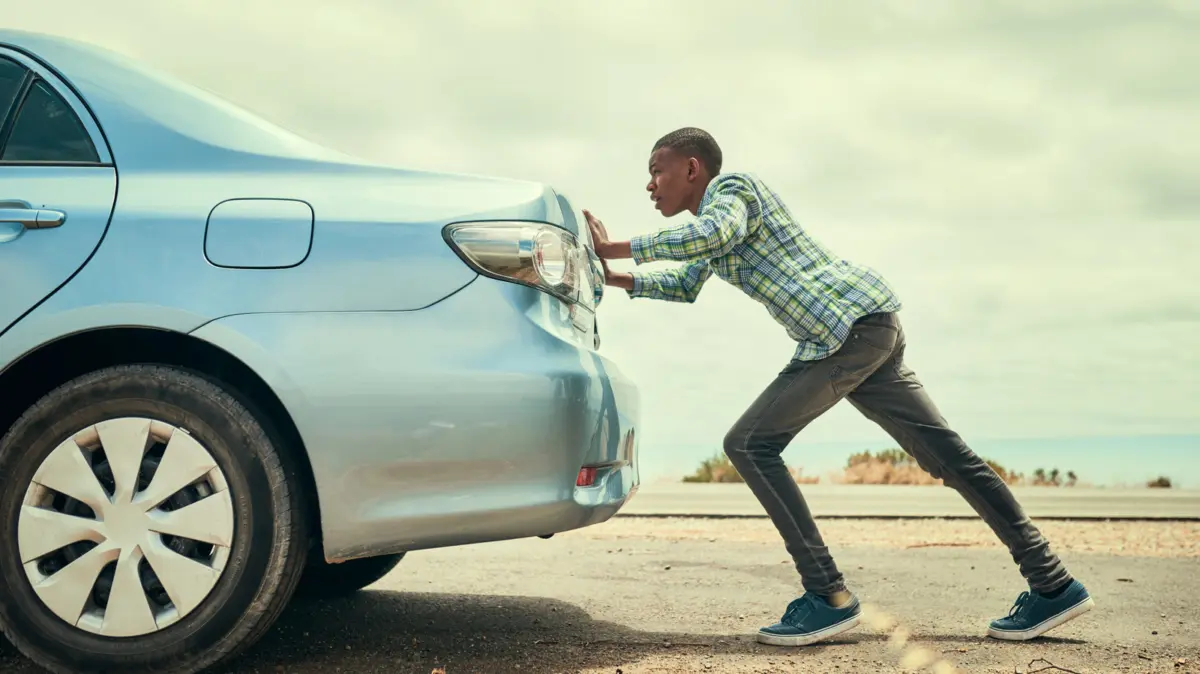
There are a litany of things more terrifying that could happen to you in a motor vehicle than simply being stranded on the side of the road. It is scary and undoubtedly inconvenient, sure, but imagine that beat-to-hell Nissan Altima you have been keeping at a careful distance of two to five car-lengths suddenly pacing right beside you on a crowded highway, or coming up hot behind you at a high rate of speed just as you need to make a sudden, unexpected stop. Driving already requires a heightened sense of situational awareness, but the vulnerabilities exposed by a mechanical failure introduce an entirely different category of roadside anxiety.
Many drivers harbor a quiet, nagging fear of being stranded, and for good reason. Part of that apprehension often stems from cautionary tales heard over the years—stories of patrolmen, emergency workers, or stranded motorists struck by inattentive drivers during routine traffic stops. Because of these chilling narratives, parking on the shoulder of a high-speed thoroughfare, even when a car is visibly smoking or completely dead, can feel like a high-stakes enterprise at best. Another significant layer of anxiety comes from the simple demographic realities of being vulnerable on public roads, where a disabled vehicle can attract unwanted attention, isolation, and unpredictable risks.
Fortunately, the ubiquitous availability of modern cell phones has made experiencing an extended, isolated roadside breakdown a much less common reality for the average traveler. If you find yourself stranded somewhere with a cellular signal—which covers the vast majority of populated regions these days—assistance is usually just a few taps away. Drivers can easily call for professional towing services, insurance roadside assistance, or ring up a family member or friend to come to the rescue. However, this level of digital safety net is not always guaranteed for every remote roadside mishap, nor has it always been the standard. Anyone who remembers the pre-cell-phone era knows the distinct brand of anxiety that came with watching miles of empty highway tick by while waiting for a payphone or a passing state trooper.
That historical vulnerability brings up a universal automotive conversation: What is your absolute worst story of being stranded on the side of the road?
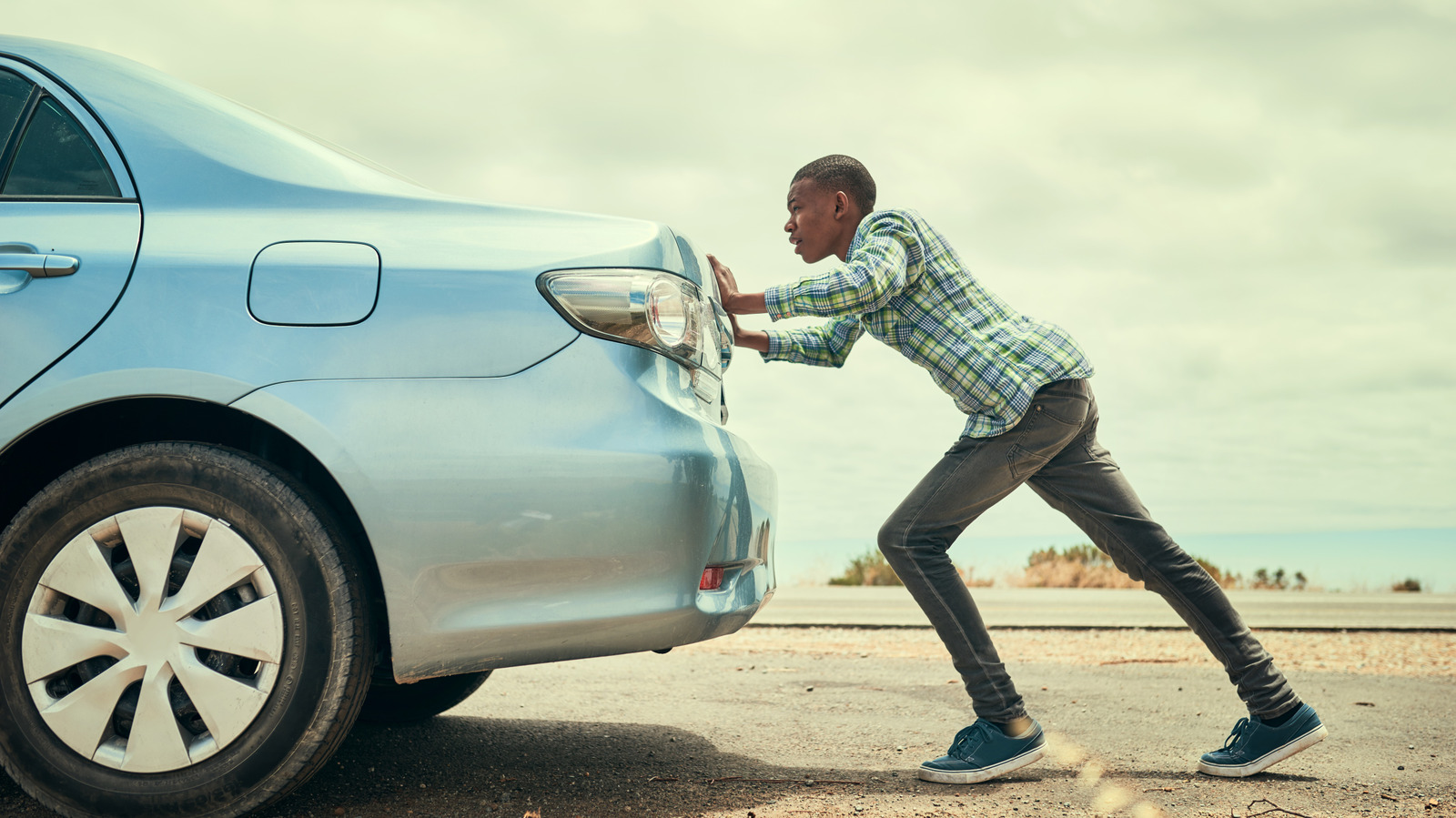
Almost Dropping the Ball With a Winter Breakdown in Ohio
At one point in time, family road trips meant navigating hundreds of miles of asphalt with little more than an atlas, a full tank of gas, and sheer determination. For one family, this meant packing up into a spacious Cadillac for a grueling, 600-plus-mile trek from Michigan down to Alabama during long school breaks, such as summer vacation or the Christmas holidays. One particular holiday season, however, the return journey back home was scheduled for a bitterly cold, deeply snowy New Year’s Eve.
The trouble began not long after the driving duties were handed off to an uncle. The father had been behind the wheel since the earliest hours of the morning—well before 6:00 a.m.—and was finally enjoying a well-deserved break from the flat, desolate, seemingly endless stretches of Ohio highway. As the miles rolled by, the uncle behind the wheel mentioned that it felt like an unusual amount of cold air was blowing directly into the cabin. Alongside the dropping cabin temperatures, subtle electrical and power issues began to crop up.
The father, who happened to be a trained mechanic, quickly assessed that something was fundamentally wrong and directed that the struggling car be pulled off at the next available rest stop so he could conduct a thorough inspection. His diagnosis was definitive: the water pump had given its final rotation and completely failed. Fortunately, a water pump failure is a standard, entirely fixable mechanical problem under normal circumstances.
Except that normal circumstances did not apply on this particular evening. Even though it was the early 2000s and the family possessed a basic, early-generation cellular phone capable of making voice calls, every retail store, auto parts shop, and local mechanic garage for miles around was already closed in observance of the rapidly approaching New Year’s celebrations. Suddenly, a traveling party of five—including three children—found themselves completely stranded in the freezing Ohio winter.
The logistics of finding help in a pre-smartphone era were daunting. Though the exact details of the rescue mission remain slightly hazy through the lens of time, it required what felt like hours of combing through physical Yellow Pages directories and making a flurry of phone calls before the family finally managed to secure a rare station wagon taxi. They piled into the vehicle with whatever limited luggage could squeeze in alongside the group, managing to finish the final few hours of their journey. The financial cost of such a specialized taxi ride on a major holiday was undoubtedly steep.
To compound the ordeal, New Year’s Day brought no immediate relief. The father had to enlist a trusted family friend operating a tow truck to drive all the way back out to Ohio to retrieve the disabled Cadillac, hauling it home so the necessary repairs could be completed before he had to return to work.
Compared to catastrophic highway accidents or dangerous wilderness stranding, a holiday breakdown in a snowy rest stop might seem relatively mild, but it highlights the sheer unpredictability of automotive travel. Roadside mishaps remain a universal rite of passage for drivers, forcing individuals to rely on the kindness of strangers, the reliability of local emergency services, and a hefty dose of luck.
As these automotive memories resurface, the experiences of motorists everywhere reveal just how quickly a routine drive can transform into an unforgettable ordeal. Whether it involved hitchhiking through rural counties, spending a frigid night waiting for a tow truck, or dealing with mechanical failures in areas completely devoid of cellular service, the stories shared by drivers serve as a reminder of the unpredictable nature of the open road.










No comments yet. Be the first to join the conversation!