
By Amanda Robert
October 19, 2026, 1:55 pm CDT
For Doug Doetsch, the path to his next chapter began centuries deep in the foothills of the Catskill Mountains, in a small town where his family roots stretch back five generations. Callicoon, an upstate New York community rich in agricultural history, was once a thriving hub for families escaping the relentless pace of New York City. Throughout much of the 20th century, this region—widely known as the Borscht Belt—buzzed with an extensive network of resorts, bungalow colonies, and hotels that drew generations of travelers seeking fresh air, scenic vistas, and a respite from urban life.
During that era, both sides of Doetsch’s family ran German-owned farms that supplied essential provisions, including milk, eggs, and chicken, to the bustling local tourism industry. Deeply integrated into the fabric of the community, his maternal grandparents also operated their own boarding house for more than 50 years, anchoring the family firmly to the local landscape.
Decades later, when Doetsch returned to visit the area after building a life elsewhere, he discovered a dramatically altered landscape. The grand resorts and historic hotels that once defined the region had long since closed their doors. Many families had moved away from their ancestral farms, leaving once-productive land fallow and unused. The vibrant local economy centered around agriculture and hospitality had faded, replaced by quiet stagnation.
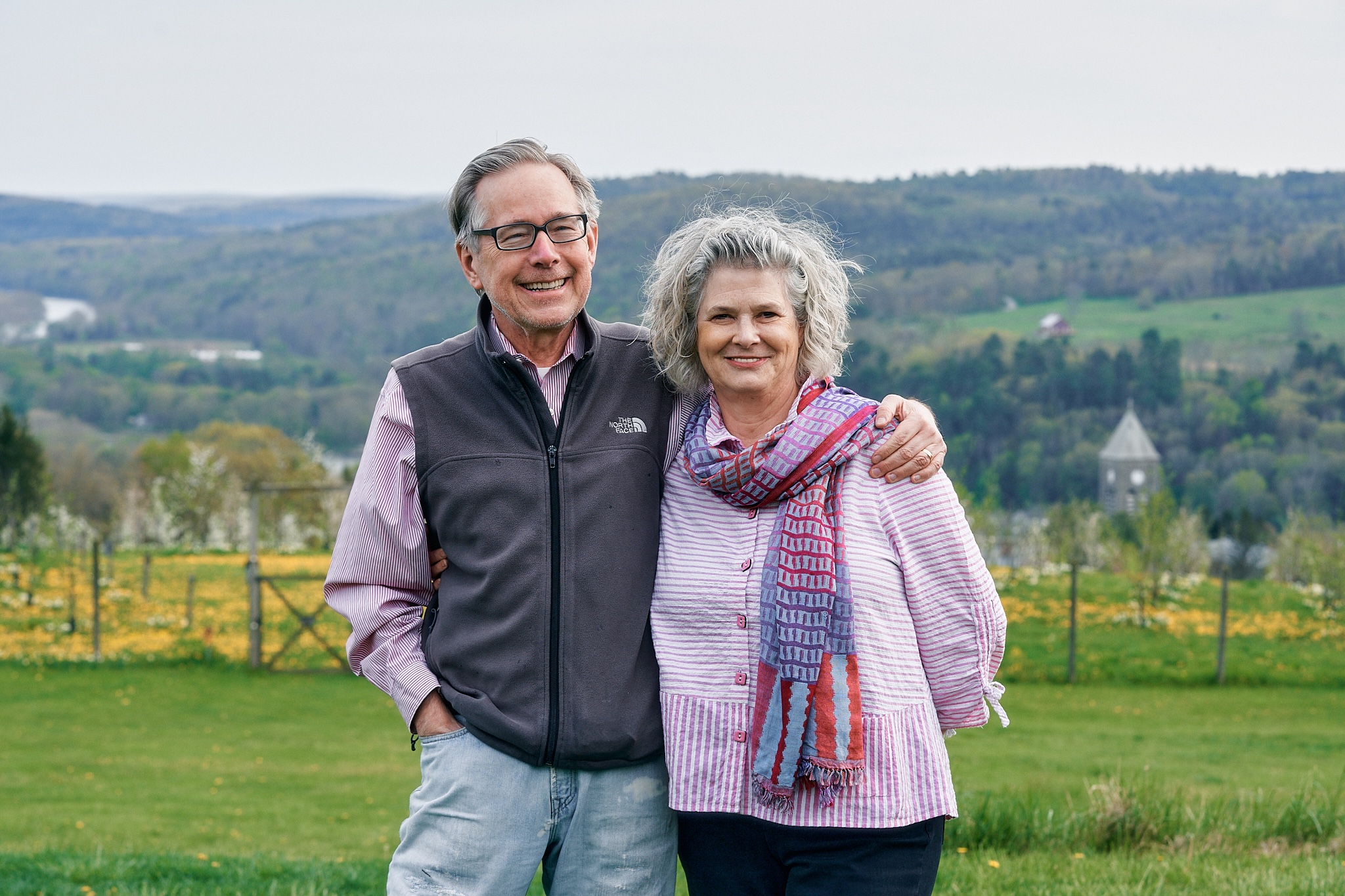
"That way of life, you know, living close to the land, taking care of the land, being a steward of the land, that really was disappearing," Doetsch reflects. "And I thought that was a shame."
The transformation weighed heavily on Doetsch, whose life had taken him far from the agrarian roots of Callicoon. After completing his undergraduate studies at Kalamazoo College, he pursued a legal education at Columbia Law School, ultimately building a distinguished career as an international finance lawyer. Today, he serves as a partner at Mayer Brown in Chicago, navigating complex global financial transactions far removed from the dirt roads and rolling hills of upstate New York. Yet, despite the demands of his corporate legal practice, the pull of his family’s history remained strong.
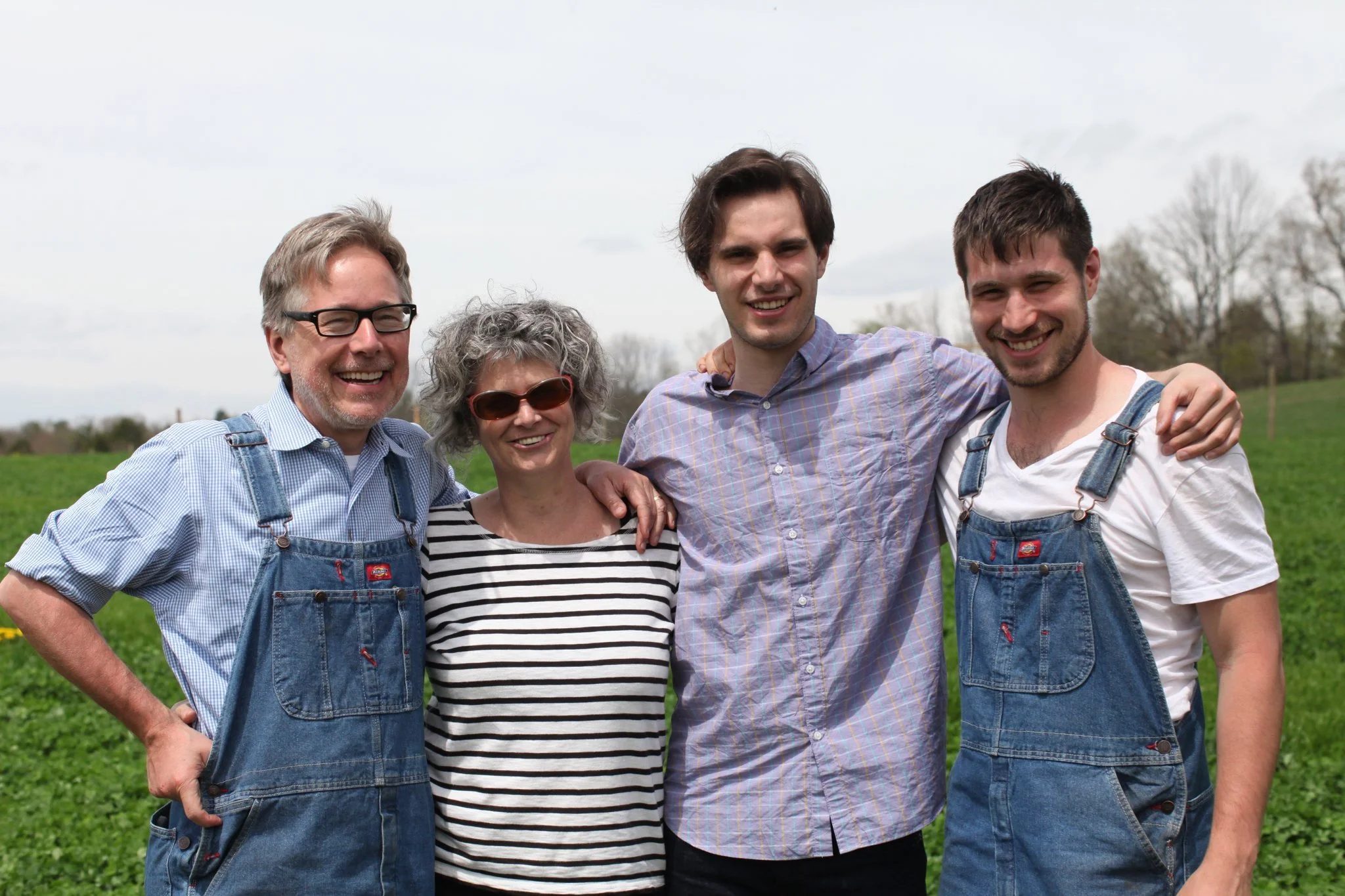
By 2012, Doetsch began actively exploring ways to breathe new life into his family’s homestead. The property still held tangible reminders of the past, including the skeletal remains of an old apple orchard where his great-grandfather had once produced cider during the Prohibition era. Around the same time, Doetsch, his wife Susan Manning—a professor emerita in the theater department at Northwestern University—and their two sons, Elijah and Reuben, took a memorable family trip to France.
While traveling through the French countryside, the family found themselves deeply inspired by the prominent role that local cider-makers played in regional tourism and rural preservation. They observed how traditional agriculture could be successfully married to contemporary hospitality, creating a sustainable model that appealed to modern travelers looking for authentic, place-based experiences.
"I really felt a tug for that sort of agricultural, simpler life and a way to create hospitality for people that syncs up with how they think now, where they want to go now, what they want to experience now," Doetsch says.
Another powerful influence on Doetsch’s evolving vision was found closer to home within his extended family. His wife’s uncle, a successful antitrust lawyer who had retired from McDermott Will & Emery, transitioned into life as a commercial cherry farmer. Observing his relative’s fulfilling transition provided Doetsch with a blueprint for his own future. "I always thought he had figured out Chapter 2 of his life better than anybody else I knew," Doetsch notes.
Turning vision into reality required specialized knowledge and a significant commitment of time and labor. Doetsch enlisted the expertise of organic orchardist Michael Phillips to analyze and prepare the soil for an entirely new generation of fruit trees. Over the course of several years, a dedicated crew consisting of Doetsch, his immediate family, local cousins, and close friends gathered each spring to plant apple and pear trees by hand.
Simultaneously, the ambitious project expanded to include physical construction and historic preservation. Doetsch and his collaborators began building a state-of-the-art cidery on the property. At the same time, they took on the meticulous rehabilitation of a nearby community hospital building—a landmark with deep personal significance, as it was the exact location where Doetsch’s mother had been born and where Doetsch himself had undergone a tonsillectomy as a child. The historic renovation transformed the former medical facility into a small, elegant inn.
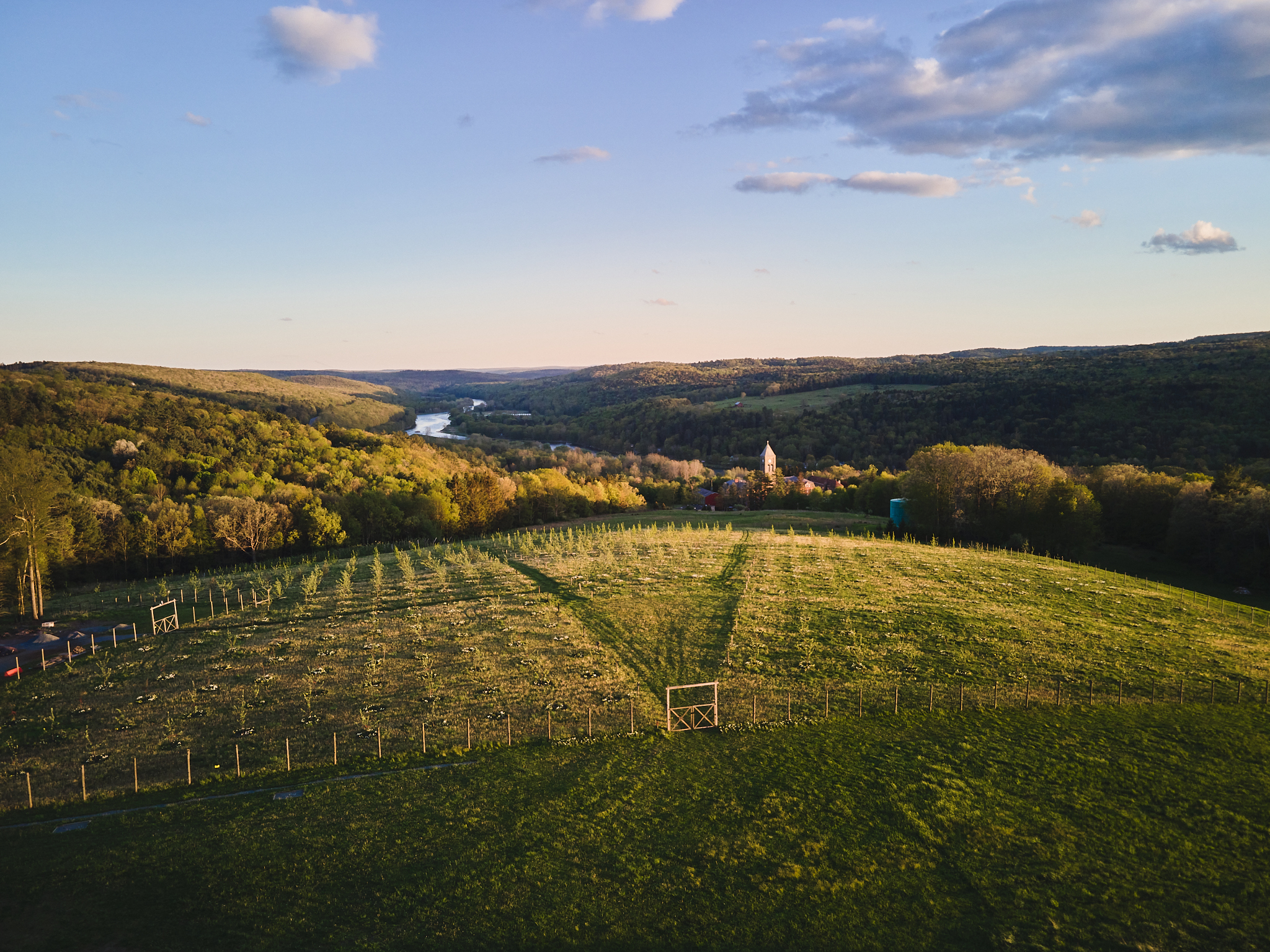
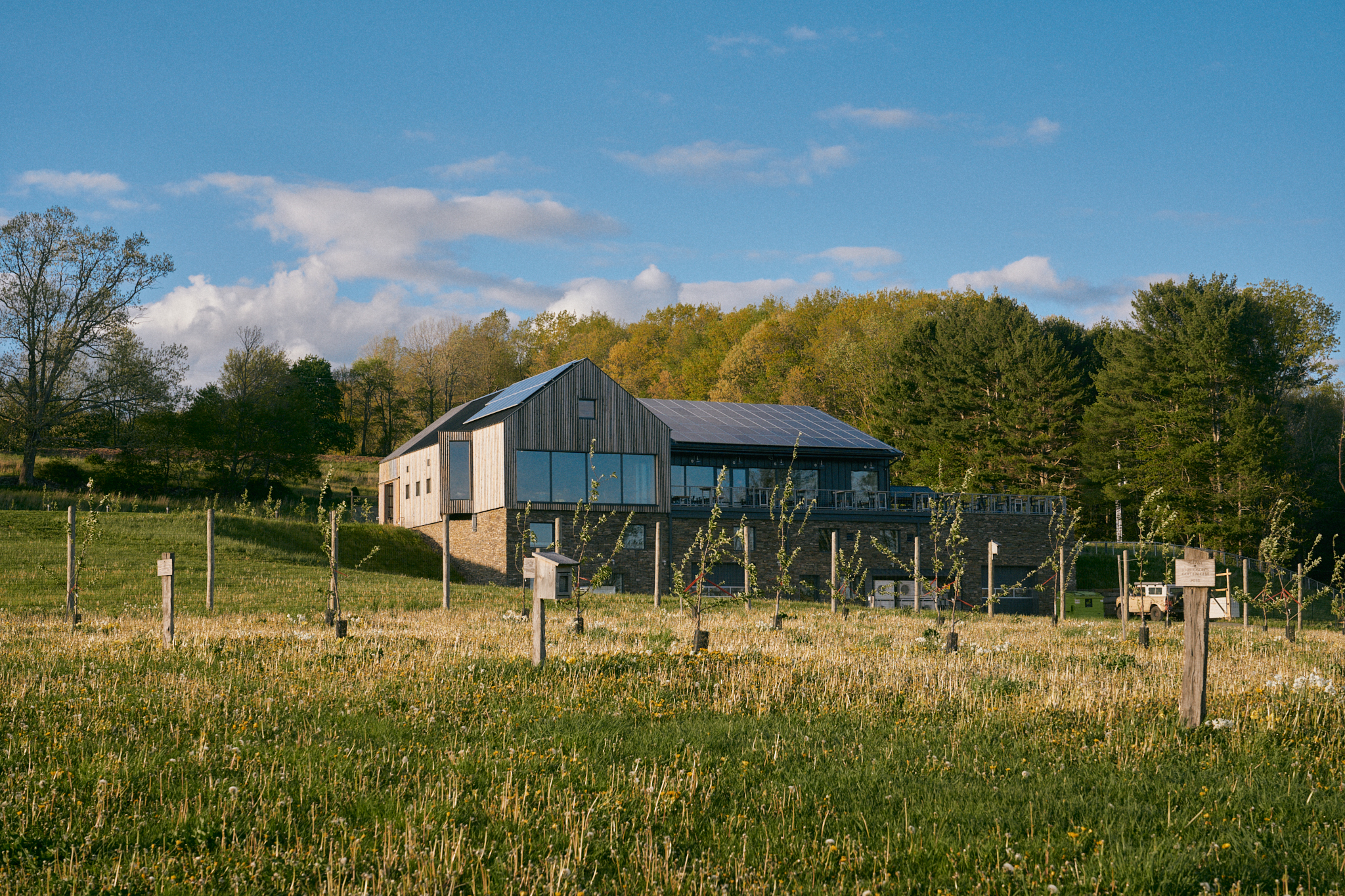
By 2021, those years of planning, planting, and construction culminated in the official opening of Seminary Hill. Today, the enterprise boasts a sprawling 12-acre organic orchard cultivating an impressive 60 distinct varieties of apples and pears. The architecture of the cidery itself tells a story of regional heritage and modern environmental consciousness; it was constructed using reclaimed wood salvaged directly from New York’s now-demolished Tappan Zee Bridge. Furthermore, the building achieved a historic milestone as the first structure of its kind to receive Passive House certification, an elite standard recognizing ultra-low energy consumption and sustainable design.
The inn associated with Seminary Hill, appropriately named the Boarding House in a nod to the region’s hospitality history, features eight thoughtfully designed apartments. Its commitment to excellence has not gone unnoticed by the hospitality industry; since 2024, the property has held a prestigious Michelin Key designation, an accolade for hotels that mirrors the acclaim of a Michelin restaurant star. Complementing the accommodations is a farm-to-table restaurant and flexible event space that has quickly become a community anchor, hosting weddings, family reunions, and even the local high school prom.
"We’ve been pretty busy," says Doetsch, who serves as the chief executive officer of Seminary Hill. "On holiday weekends in the summer, we can have 900 to 1,000 guests visiting the cidery. It’s great to see it buzzing, full of people laughing and looking out over the view."
Perched on a ridge overlooking the meticulously maintained orchard and the winding Delaware River, the cidery commands what Doetsch proudly describes as the best view in the entire area.
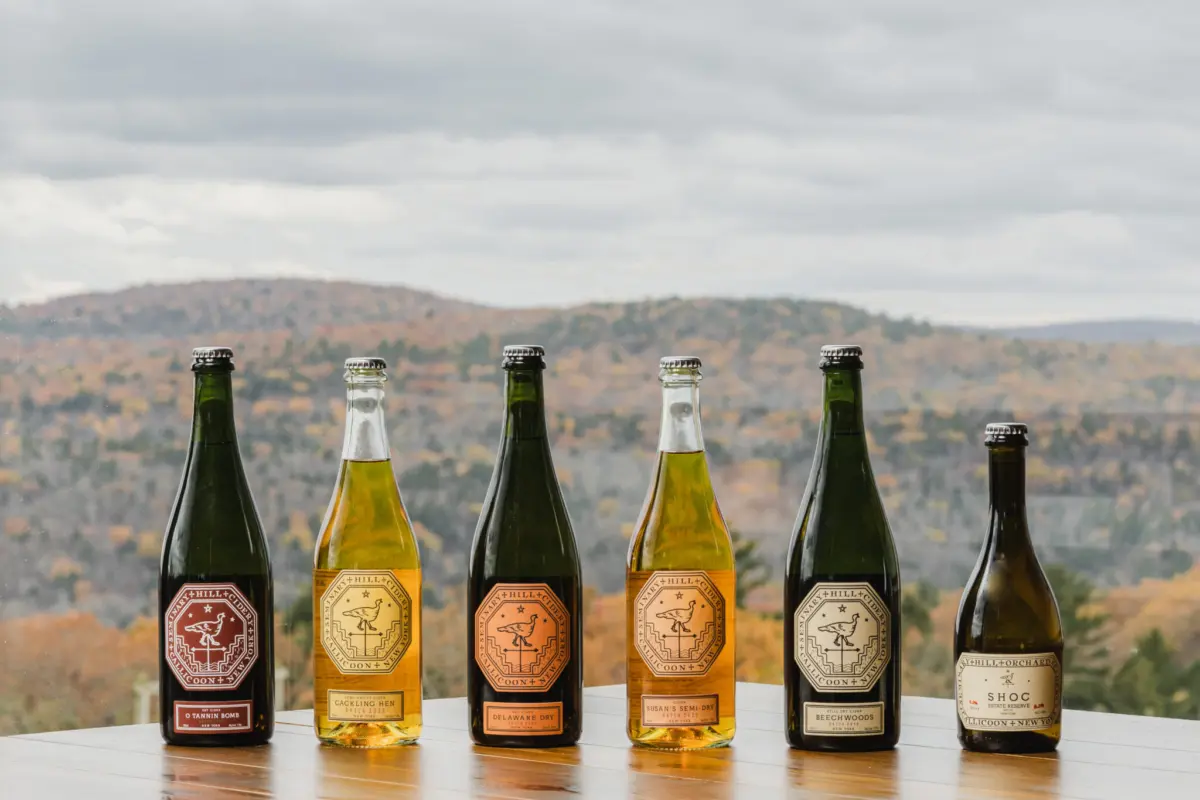
"We’ve got a very steady clientele, which is comprised of tourists and weekenders and locals who come up for cider and a good meal," Doetsch says. Among the extensive beverage menu, his personal favorite is Susan’s Semi-Dry, a crisp cider named affectionately in honor of his wife. He also highlights Delaware Dry as another crowd favorite, while noting critical acclaim for the operation’s 2024 Pommeau, which secured the title of top fortified cider at the 2026 Great Lakes International Cider and Perry Competition.
Explaining the craftsmanship behind the bottles, Doetsch points out that the cider-making process shares many technical parallels with traditional winemaking. The majority of their ciders are meticulously crafted using complex blends of various apple varieties to achieve a balanced flavor profile. Perry, the pear-based equivalent of cider, is produced using one or more distinct varieties of pears, and apples and pears are frequently blended together to create hybrid styles.
While the bulk of Seminary Hill’s production is sold directly at the cidery tasting room and through their online platform, their reach extends beyond the immediate property. Bottled ciders can be found on the shelves of select wine shops throughout the Delaware and Hudson valleys, while both draft and bottled varieties are stocked by regional restaurants as well as establishments in New York City.
For Doetsch, the venture represents far more than a commercial enterprise or a scenic rural retreat. It is a deliberate reclamation of his family history, an investment in sustainable regional agriculture, and the cornerstone of his professional future.
While he currently maintains his demanding legal practice in Chicago, visiting the New York property every couple of months to oversee operations, his routine is on the verge of a permanent shift. As he prepares to step down from his position as a partner at Mayer Brown at the end of the year, Doetsch intends to leave the corporate office behind and spend a significant portion of his time rooted firmly in the hills of Callicoon.











No comments yet. Be the first to join the conversation!