
By Amanda Robert
October 19, 2026, 1:55 pm CDT
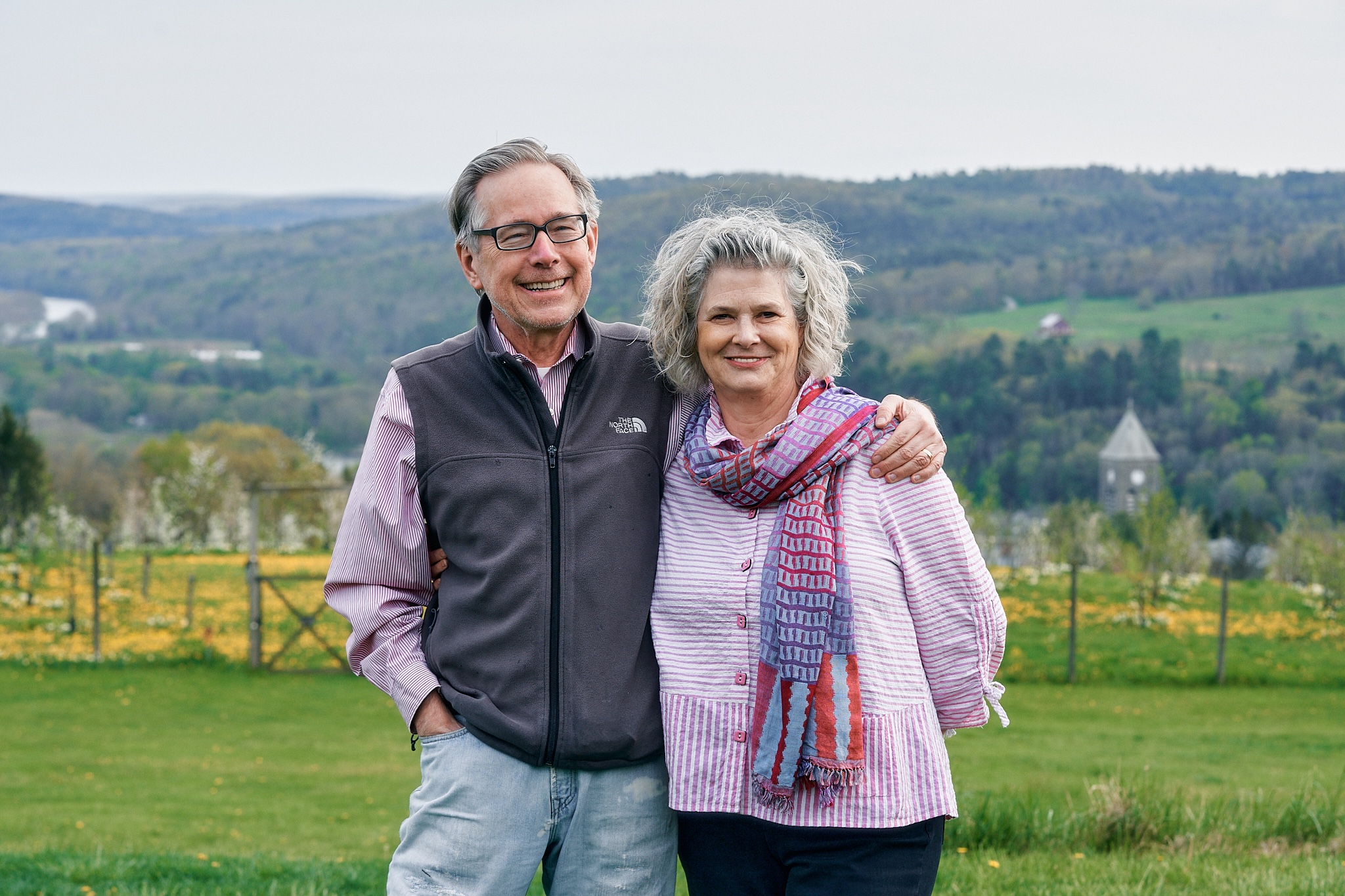
For Doug Doetsch, the connection to upstate New York is not just a casual weekend getaway; it is a deep, five-generation bond that stretches across the foothills of the Catskill Mountains in the small town of Callicoon. Long before he established himself as a prominent corporate attorney in the Midwest, Doetsch’s family history was inextricably tied to the agricultural rhythm of the region.
Both sides of his family ran German farms that historically supplied essential provisions—milk, eggs, and chicken—to the thriving hospitality network known as the Borscht Belt. This extensive collection of resorts and hotels was frequented by generations of Jewish families from New York City for much of the 20th century. Furthermore, for more than 50 years, his maternal grandparents ran their own local boarding house, anchoring the family firmly in the local economy and community fabric.
Doetsch initially pursued a path far removed from farming, attending Kalamazoo College before earning his law degree at Columbia Law School. However, when he returned to visit Callicoon over the years, he could not ignore the profound changes that had swept through the countryside. The grand resorts and bustling hotels had long since closed their doors. Families had steadily moved away from their generational farms, leaving large swaths of once-productive land fallow and entirely unused.
"That way of life, you know, living close to the land, taking care of the land, being a steward of the land, that really was disappearing," Doetsch says. "And I thought that was a shame."
The remnants of his family homestead still featured an old apple orchard, a tangible link to a bygone era when his great-grandfather manufactured cider during Prohibition. These roots, combined with a growing desire to give new life to the land, planted the seeds for what would eventually become a major second act in Doetsch’s professional and personal life.
From international law to agricultural revival
In 2012, Doetsch, who serves as a partner and international finance lawyer at Mayer Brown in Chicago, began seriously contemplating how he could revitalize his family’s historic homestead. Around that same time, he and his wife, Susan Manning—a professor emerita in the theater department at Northwestern University—along with their two sons, took a transformative trip to France.
During their travels, they were deeply inspired by observing how local cider-makers served as vital economic and cultural anchors for regional tourism. The experience illuminated a potential path forward, blending agricultural preservation with modern hospitality.
"I really felt a tug for that sort of agricultural, simpler life and a way to create hospitality for people that syncs up with how they think now, where they want to go now, what they want to experience now," Doetsch says.
Doetsch’s entrepreneurial vision was also reinforced by a close family example: his wife’s uncle, an antitrust lawyer who had retired from McDermott Will & Emery and successfully transitioned into a thriving cherry farmer.
"I always thought he had figured out Chapter 2 of his life better than anybody else I knew," Doetsch notes.
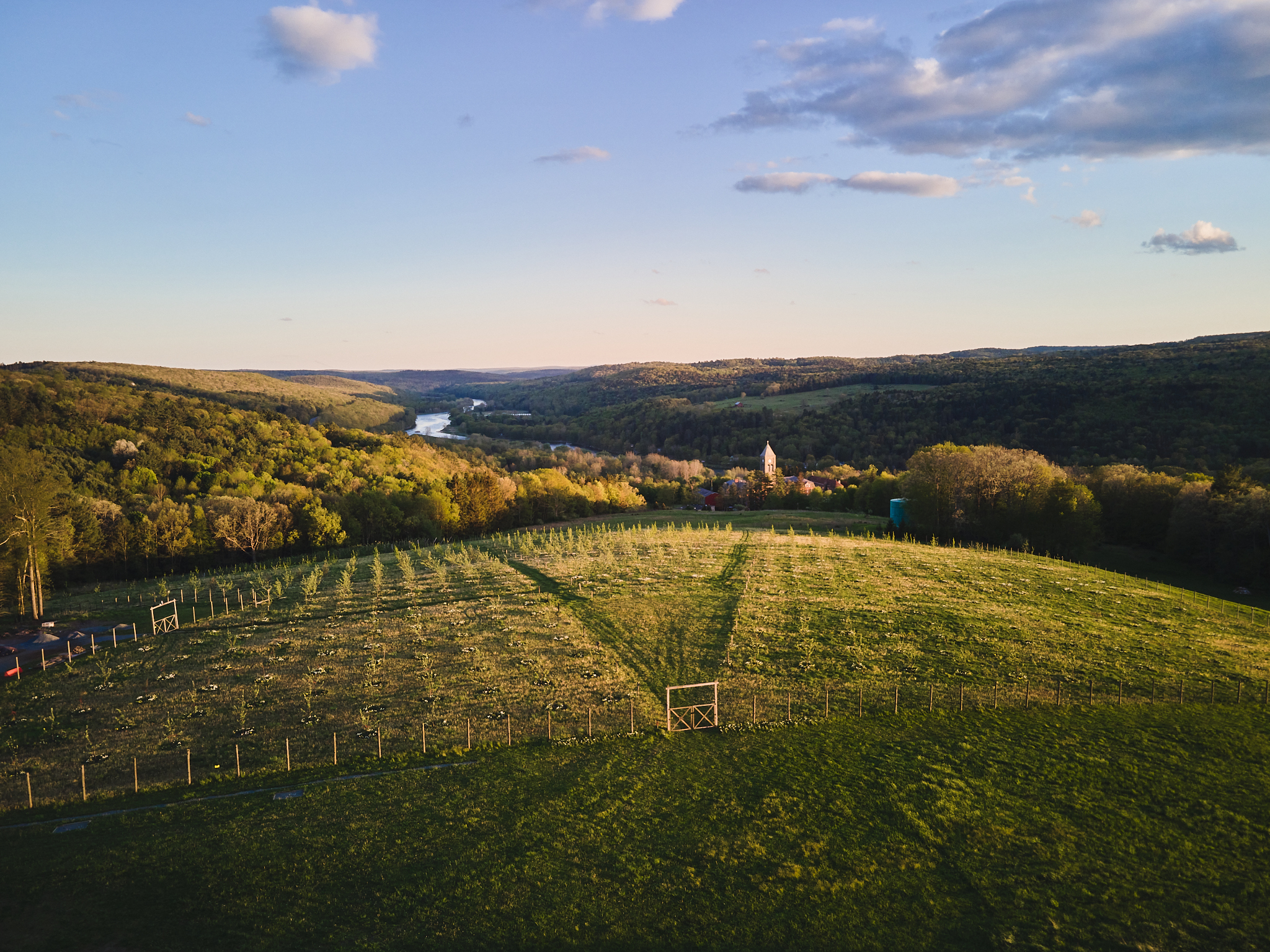
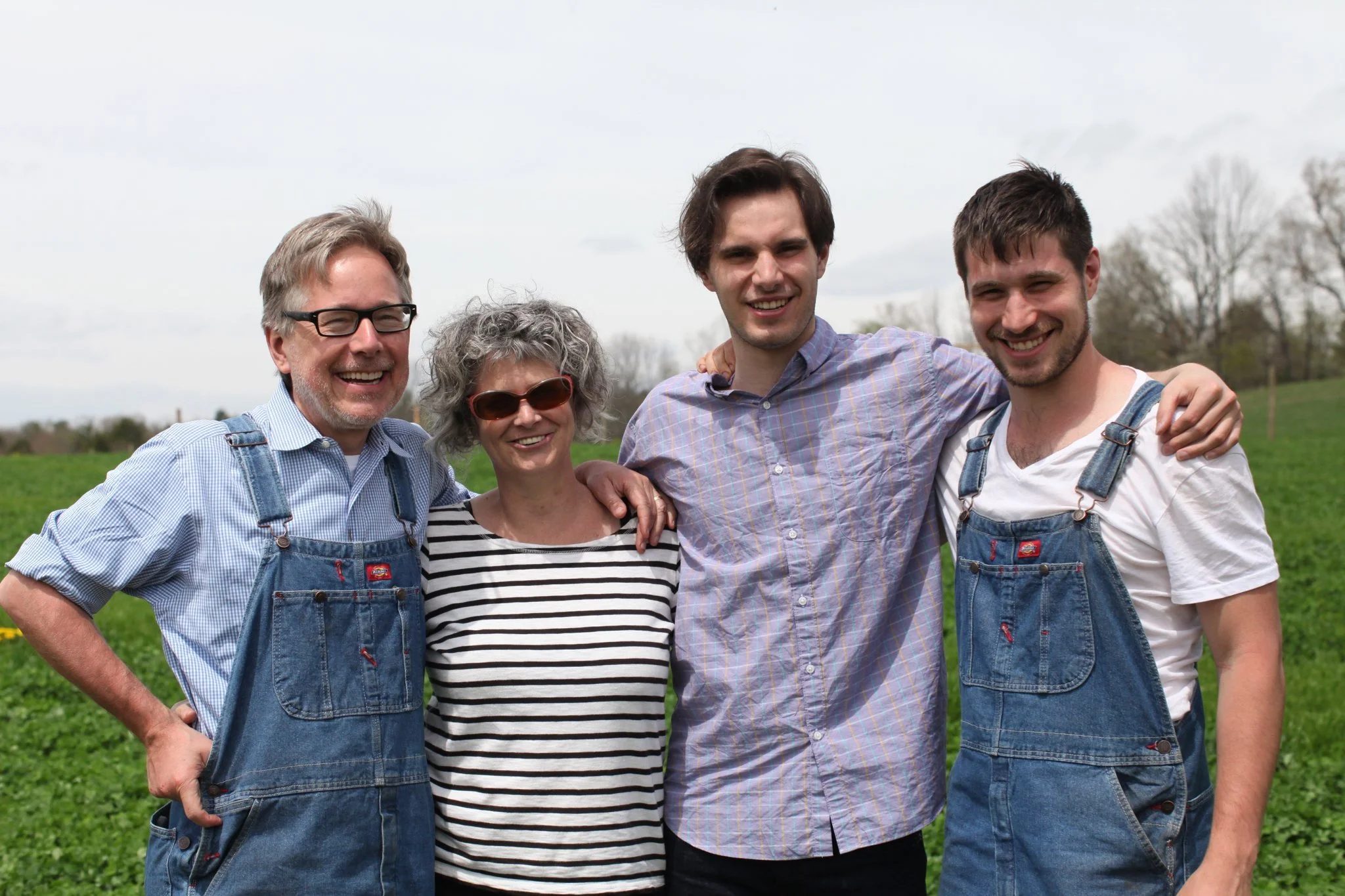
Turning vision into reality required specialized expertise and substantial physical labor. Doetsch began collaborating with organic orchardist Michael Phillips to painstakingly prepare the soil for entirely new orchards. Over the course of several years, a dedicated team consisting of Doetsch, his immediate family, local cousins, and close friends rolled up their sleeves each spring to plant new apple and pear trees.
Simultaneously, the ambitious project expanded to construction and historic preservation. They began building a state-of-the-art cidery while simultaneously rehabilitating a nearby community hospital building—a landmark with deep personal significance, as it was the exact place where Doetsch’s mother was born and where Doetsch himself had his tonsils removed as a child. This historic renovation was designed to create space for an intimate local inn.
Building Seminary Hill and a Michelin-recognized destination
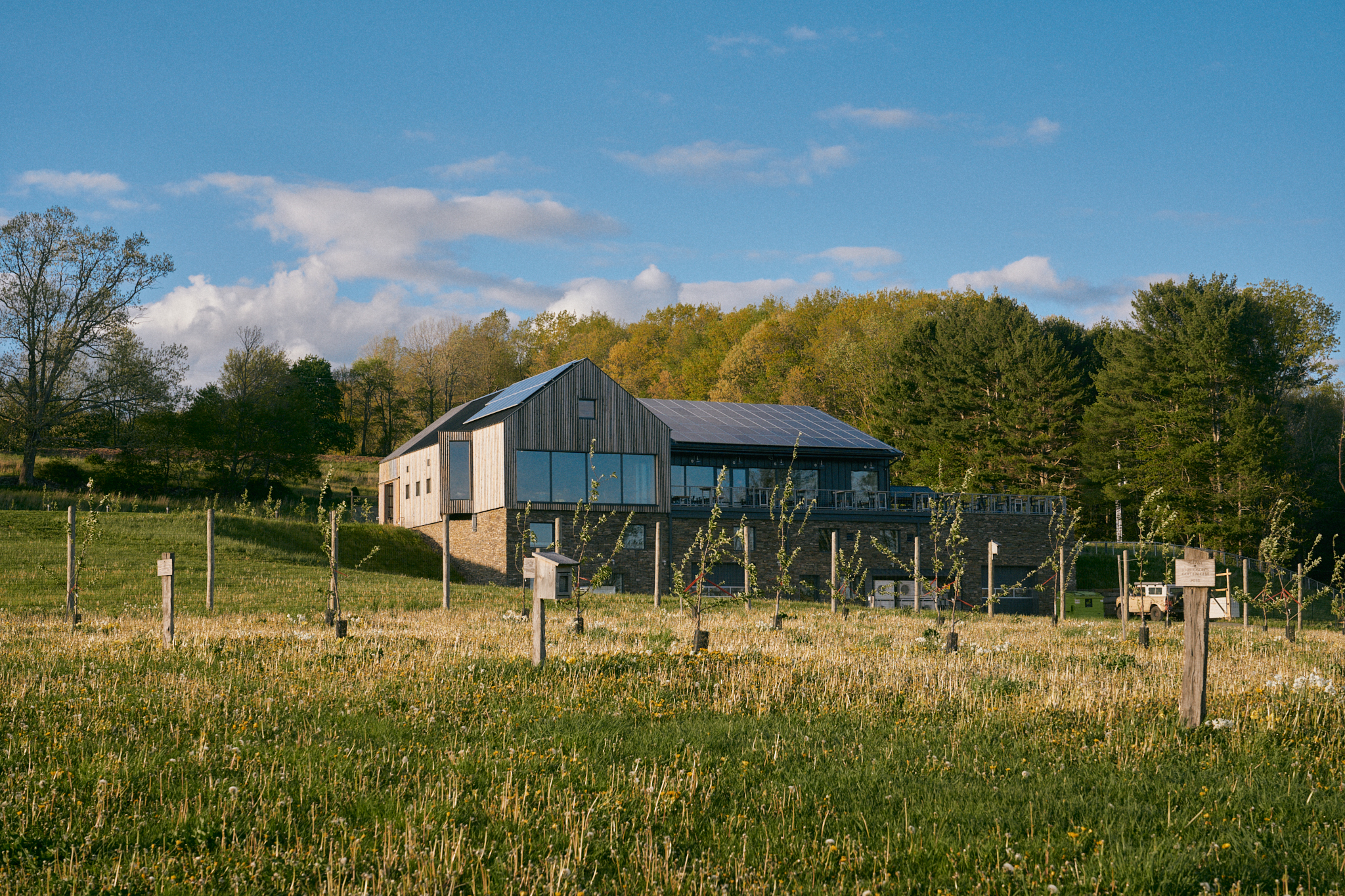
By 2021, those years of planning, planting, and construction culminated in the official opening of Seminary Hill. The property boasts a flourishing 12-acre organic orchard dedicated to cultivating 60 distinct varieties of heirloom apples and pears.
The architecture of the cidery itself tells a story of regional reclamation. It was constructed using structural wood salvaged directly from New York’s now-demolished Tappan Zee Bridge. Furthermore, the facility achieved a notable environmental milestone, becoming the first building of its kind to receive Passive House certification for its groundbreaking approach to drastically reducing energy consumption.
Adjacent to the orchard and production facility sits the property’s inn, aptly named the Boarding House, which features eight thoughtfully designed apartments. The hospitality venture quickly gained critical acclaim, earning a prestigious Michelin Key designation starting in 2024—an honor equivalent to a restaurant receiving a Michelin star, specifically tailored for exceptional hotels.
Complementing the lodging is a popular farm-to-table restaurant and versatile event space that has successfully hosted a wide range of gatherings, from weddings and milestone family reunions to the local high school prom.
"We’ve been pretty busy," says Doetsch, who serves as Seminary Hill’s chief executive officer. "On holiday weekends in the summer, we can have 900 to 1,000 guests visiting the cidery. It’s great to see it buzzing, full of people laughing and looking out over the view."
Doetsch proudly points out that the cidery, which offers sweeping vistas overlooking both the sloping orchard and the winding Delaware River, commands what is widely considered to be the best view in the entire region.
"We’ve got a very steady clientele, which is comprised of tourists and weekenders and locals who come up for cider and a good meal," Doetsch says.
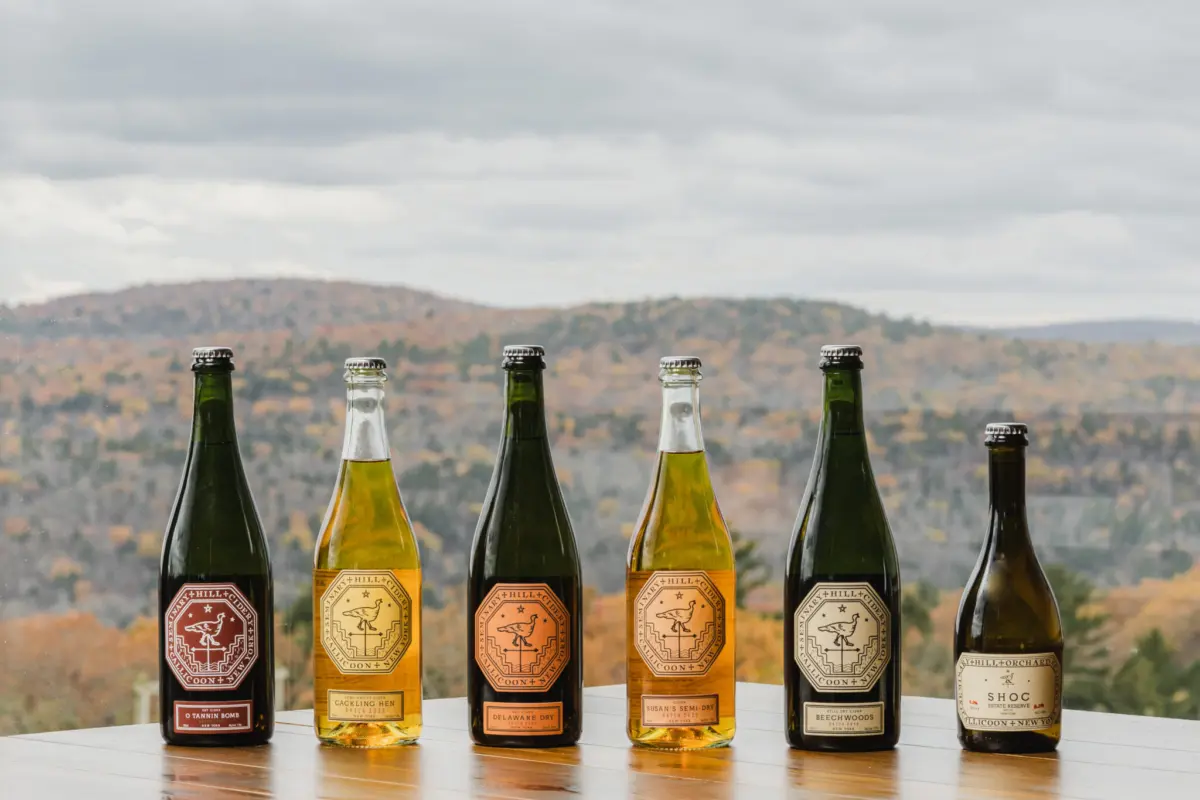
Among the establishment’s popular offerings is "Susan’s Semi-Dry," a cider affectionately named in honor of his wife. Doetsch also highlights their "Delaware Dry" as another crowd favorite, while noting critical recognition for their craft: Seminary Hill’s 2024 Pommeau was recently honored as the top fortified cider at the 2026 Great Lakes International Cider and Perry Competition.
Explaining the craftsmanship behind the bottles, Doetsch notes that the cider-making process shares a striking resemblance to traditional winemaking. The majority of their ciders are meticulously crafted using carefully balanced blends of various apple varieties. Perry, the pear-based counterpart, is produced using one or more distinct varieties of pears, and producers frequently blend apples and pears together to create unique hybrid perry-ciders.
While the majority of Seminary Hill’s products are purchased directly at the cidery or through their online storefront, their distribution footprint continues to expand. Bottled ciders are available at specialty wine shops throughout the Delaware and Hudson valleys, while both draft and bottled varieties can be found on menus at select restaurants across those regions and in New York City.
For Doetsch, the venture represents far more than a business enterprise or a nod to nostalgia. It is an active reclamation of his familial heritage, an investment in sustainable agriculture, and the cornerstone of his upcoming professional chapter.
Although he currently manages his time by visiting the cidery every couple of months while maintaining his demanding legal practice in Chicago, that dynamic is slated to shift dramatically. As he prepares to step down from his position as a partner at Mayer Brown at the end of the year, Doetsch intends to make Callicoon and Seminary Hill his permanent primary focus, spending significantly more time among the orchards and the community he fought to revitalize.











No comments yet. Be the first to join the conversation!