
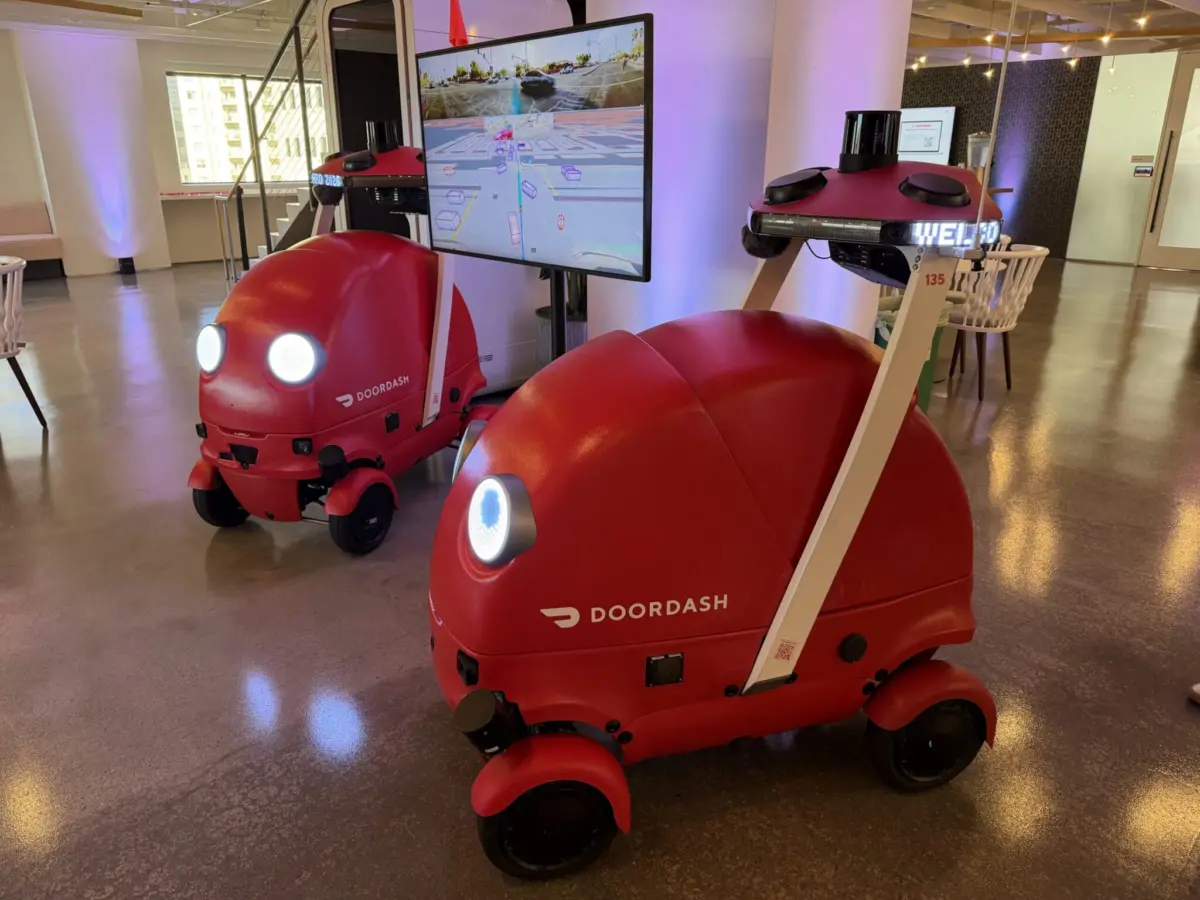
In a landmark consolidation of the digital marketplace, DoorDash Inc. has officially announced a definitive agreement to acquire its prominent last-mile delivery rival, Instacart, in a massive transaction valued at $17 billion. The blockbuster deal aims to unite the operations of two of the most active and influential platforms operating within the highly competitive retail and grocery delivery sectors.
However, the path to completion remains subject to customary regulatory scrutiny and the final approval of Instacart shareholders. To finance the monumental acquisition, DoorDash has outlined expectations to utilize a strategic combination of cash, stock, and debt. Industry analysts note that successfully navigating this financial structure will allow DoorDash to seamlessly leverage Instacart’s specialized proprietary technology, deep industry expertise, and extensive retailer partnerships.
Why DoorDash is Acquiring Instacart
The rationale behind the acquisition centers on the notoriously complex logistics of the digital food and grocery market. Entering the grocery space online presents operational hurdles that differ vastly from restaurant meal delivery or standard retail parcel shipping.
“Grocery is one of the hardest things to get right online,” said Tony Xu, co-founder and chief executive officer of DoorDash, while discussing the acquisition announcement. Highlighting the minute details that dictate customer satisfaction in the grocery sector, Xu added, “Someone has to pick a ripe avocado, find a substitute you’d choose yourself, and get the ice cream to you before it melts.”
Xu took the opportunity to praise the foundational work and market leadership that Instacart has cultivated since its inception. Over more than a decade, Instacart has established itself as a household name synonymous with digital grocery shopping, forging trusted relationships with grocers ranging from independent corner stores to massive national supermarket chains.
“Instacart has spent years learning to do that well for grocers, while DoorDash has built a delivery network and technology that local stores rely on every day,” Xu stated, elaborating on the synergistic potential of the merger. “Together, we could give stores of every size more of those tools and unlock the potential of grocery delivery. It’s still early innings, but we know that when more people shop local, more dollars stay local.”
The timing of the acquisition aligns with sustained momentum in the e-commerce grocery landscape. According to independent market data tracked by the retail research firm Brick Meets Click, online grocery sales in the United States experienced robust year-over-year growth exceeding 20%. This expansion has steadily increased the segment’s overall share of total consumer grocery spending, underscoring the long-term viability and consumer demand for digital grocery solutions. By uniting forces, DoorDash and Instacart position themselves to capture an even larger share of this growing market, scaling their infrastructure to meet shifting consumer habits.
What Comes Next for Instacart
As the two corporate entities prepare for the transition, executives have outlined an extended timeline for the closure of the transaction. DoorDash and Instacart anticipate that the deal will officially close near the end of 2027 or during the first half of 2028, pending the necessary regulatory clearances and shareholder sign-offs.
Following the anticipated completion of the acquisition, DoorDash plans to preserve the standalone Instacart brand. Furthermore, the company intends to maintain Instacart’s established enterprise technology products and consumer-facing application. In the interim, as regulatory reviews and integration planning proceed, Instacart will continue to operate completely independently without immediate disruptions to its day-to-day business operations, merchant partnerships, or delivery workforce.
“Over the last 14 years, Instacart has transformed online grocery by helping retailers of all sizes compete and grow, and joining forces with DoorDash allows us to do even more,” said Chris Rogers, chief executive officer of Instacart, addressing the strategic implications of the merger.
Rogers emphasized that the combination of assets will create unprecedented value across the entire retail ecosystem. “When our purpose-built grocery technology and trusted retailer and brand relationships are combined with DoorDash’s global consumer reach and logistics capabilities, we can create new opportunities for our retail and brand partners, offer an even better experience for customers and shoppers, and deliver compelling value for our shareholders.”
The structural integration is projected to yield immediate expansion in marketplace availability. In its official announcement, DoorDash noted that the transaction could potentially make 50,000 additional stores available to existing Instacart users. This substantial expansion would build directly upon the network of nearly 100,000 retail stores that already actively participate on Instacart’s platform, vastly broadening the product catalog and geographic reach accessible to consumers through a single digital ecosystem.
As the multi-billion-dollar deal moves toward its projected closing window over the next few years, stakeholders across the retail, technology, and delivery industries will closely monitor how federal regulators evaluate the massive consolidation of the nation’s leading last-mile delivery providers.







No comments yet. Be the first to join the conversation!