
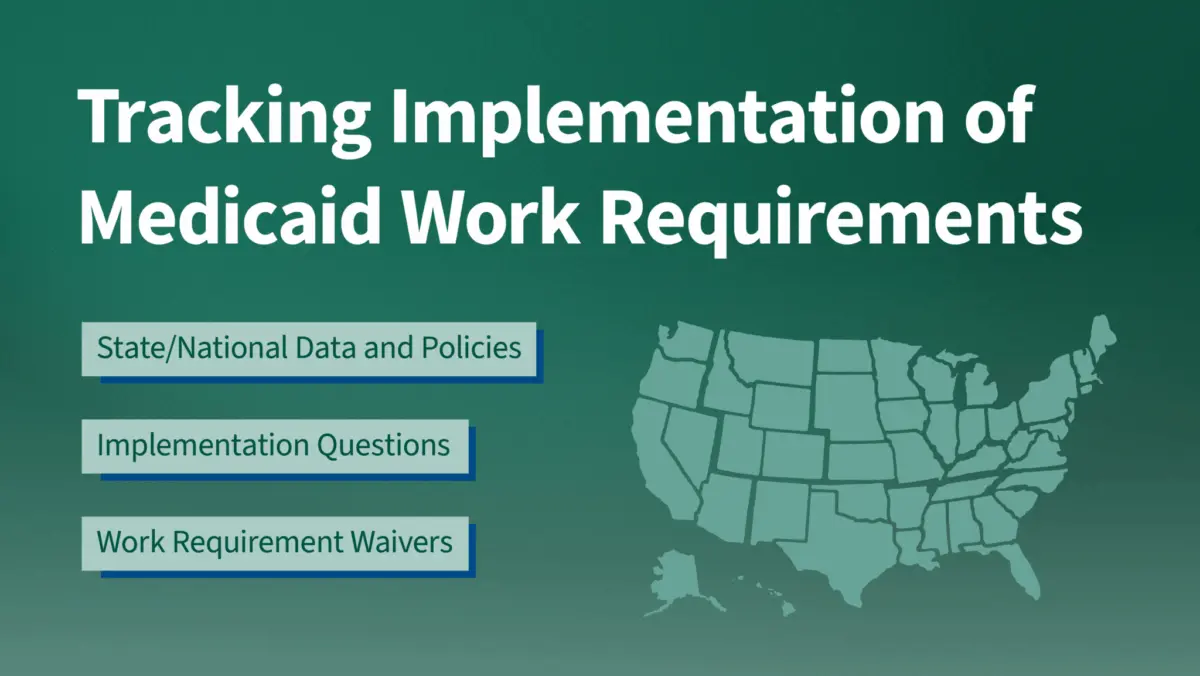
As healthcare policy continues to evolve across the United States, healthcare policy and research organizations are ramping up their tracking of major shifts in public insurance programs. KFF, a prominent healthcare research organization, has released an extensive collection of resources, data analyses, and policy breakdowns focusing on Medicaid work requirements. The newly organized clearinghouse provides policymakers, researchers, and the public with an in-depth look at how mandatory employment and community engagement rules impact program enrollment, healthcare access, and state budgets.
The debate surrounding work requirements in Medicaid has remained a central fixture of American healthcare policy discussions for years. Proponents argue that tying public benefits to employment, education, or community service encourages economic self-sufficiency and personal responsibility. Conversely, critics and healthcare advocates warn that administrative hurdles, red tape, and reporting complexities often lead to widespread coverage losses among eligible low-income individuals, many of whom are already working or facing significant barriers to employment.
KFF Resources on Medicaid Work Requirements
The comprehensive resource catalog compiled by KFF serves as a centralized repository for objective data, tracking the complex web of state policies, federal waivers, and historical outcomes. By organizing years of empirical research, policy briefs, and public opinion polling into a single location, the organization aims to provide clear, evidence-based insights into a policy area that directly affects millions of Americans relying on government-sponsored healthcare coverage.
Work Requirements Overview
At its core, the policy discussion centers on proposals and past initiatives that condition Medicaid eligibility on participating in a specified number of hours of work, job training, education, or community service each month. While traditional Medicaid programs established under the Affordable Care Act focused primarily on income thresholds, work requirement proponents have sought to introduce behavioral conditions for non-elderly, non-disabled adults. The overview documents maintained by KFF outline the fundamental mechanics of these proposals, detailing how qualifying activities are defined, tracked, and verified by state agencies, as well as the potential administrative burdens placed on both beneficiaries and state governments.
Medical Frailty Exemption
A critical component of any discussion regarding Medicaid work requirements involves exemptions designed to protect vulnerable populations. Chief among these is the medical frailty exemption, which is intended to shield individuals with serious physical or mental health conditions from losing their healthcare coverage if they are unable to meet mandatory work hours. KFF resources closely examine how states define medical frailty, the clinical criteria used for assessments, and the challenges state agencies face in accurately identifying and exempting individuals who qualify. These provisions are viewed by analysts as vital safeguards to prevent sick and disabled patients from falling through the cracks of the healthcare system.
Implementation of Work Requirements
Translating policy theory into administrative reality has proven to be a complex undertaking for state governments. The implementation of work requirements involves overhauling eligibility systems, establishing new reporting mechanisms for beneficiaries, and conducting extensive outreach to ensure enrollees understand the rules. KFF’s documentation on implementation highlights the operational hurdles encountered by state Medicaid agencies, including staffing constraints, IT infrastructure upgrades, and the sheer volume of paperwork generated when beneficiaries must regularly verify their employment or exemption status.
To contextualize these state-level actions, researchers rely on broader comparative tools. The 50-state survey of Medicaid eligibility and enrollment policies provides a panoramic view of how individual states manage their programs. While the survey covers the entire spectrum of Medicaid administration, it offers essential baseline data for understanding how work requirements fit into the broader landscape of state-level eligibility criteria, renewal processes, and administrative flexibility.
Research and Analysis on Medicaid and Work
Empirical research forms the backbone of KFF’s policy reporting. Studies and analyses examining the intersection of Medicaid and employment consistently explore whether health coverage facilitates better job prospects or if work requirements achieve their stated goals. Much of the independent research highlighted by KFF indicates that the vast majority of non-elderly Medicaid adults who can work are already employed, while those who are not working often face substantial barriers such as chronic illness, caregiving responsibilities, or lack of transportation. Analysts use these findings to evaluate the real-world utility and economic impact of imposing mandatory work rules.
1115 Work Requirement Waivers
Under Section 1115 of the Social Security Act, the federal government can grant states waivers to test experimental, pilot, or demonstration projects in Medicaid that promote the objectives of the program. Over the past decade, several states have sought and received 1115 waivers specifically to implement work and community engagement requirements. KFF’s specialized tracking of these waivers details their approval status, legal challenges, federal policy shifts across different presidential administrations, and the eventual outcomes of projects that were permitted to move forward.
Work Requirements Implications and State Experience
The practical implications of these demonstration projects have generated substantial empirical data regarding state experiences. When states test new eligibility hurdles, the resulting shifts in enrollment provide tangible evidence of how administrative policies affect vulnerable populations. KFF’s analysis of these implications brings together qualitative and quantitative findings from states that have attempted to put work requirements into practice, painting a detailed picture of the trade-offs involved in restructuring public health insurance programs.
Arkansas Work Requirement Experience
Among all state experiments, the implementation of work requirements in Arkansas stands out as the most thoroughly documented case study. Arkansas was the first state in the nation to implement Medicaid work requirements under an 1115 waiver, rolling out the policy in 2018. The real-world results from the Arkansas experience became a focal point of national debate. KFF resources review the well-documented findings from this period, which showed that over 18,000 adults lost their Medicaid coverage within the first several months, largely due to reporting difficulties rather than a failure to meet work hours. Subsequent federal court rulings eventually brought the Arkansas project to a halt, but the state’s experience remains a critical reference point for researchers analyzing the mechanics and consequences of such policies.
KFF Polling on Work Requirements
Beyond administrative data and economic analyses, public opinion plays a significant role in shaping the political viability of healthcare policies. KFF polling data captures the views of the American public regarding Medicaid work requirements. Surveys consistently reveal nuanced public attitudes; while abstract support for encouraging work is generally high, public backing often shifts when respondents are informed about the potential for eligible individuals to lose coverage due to administrative red tape, or the costs associated with implementing and monitoring the programs.
Beyond the Data by KFF CEO Drew Altman
Providing executive perspective to the extensive repository, KFF CEO Drew Altman has frequently contributed expert commentary through the "Beyond the Data" series. Altman’s analyses contextualize the numbers, offering broader insights into the political, social, and economic forces driving healthcare policy debates in the United States. By synthesizing complex research findings into accessible commentary, the leadership insights help bridge the gap between technical policy analysis and the broader public discourse surrounding health security, government programs, and the ongoing evolution of the American social safety net.









No comments yet. Be the first to join the conversation!