
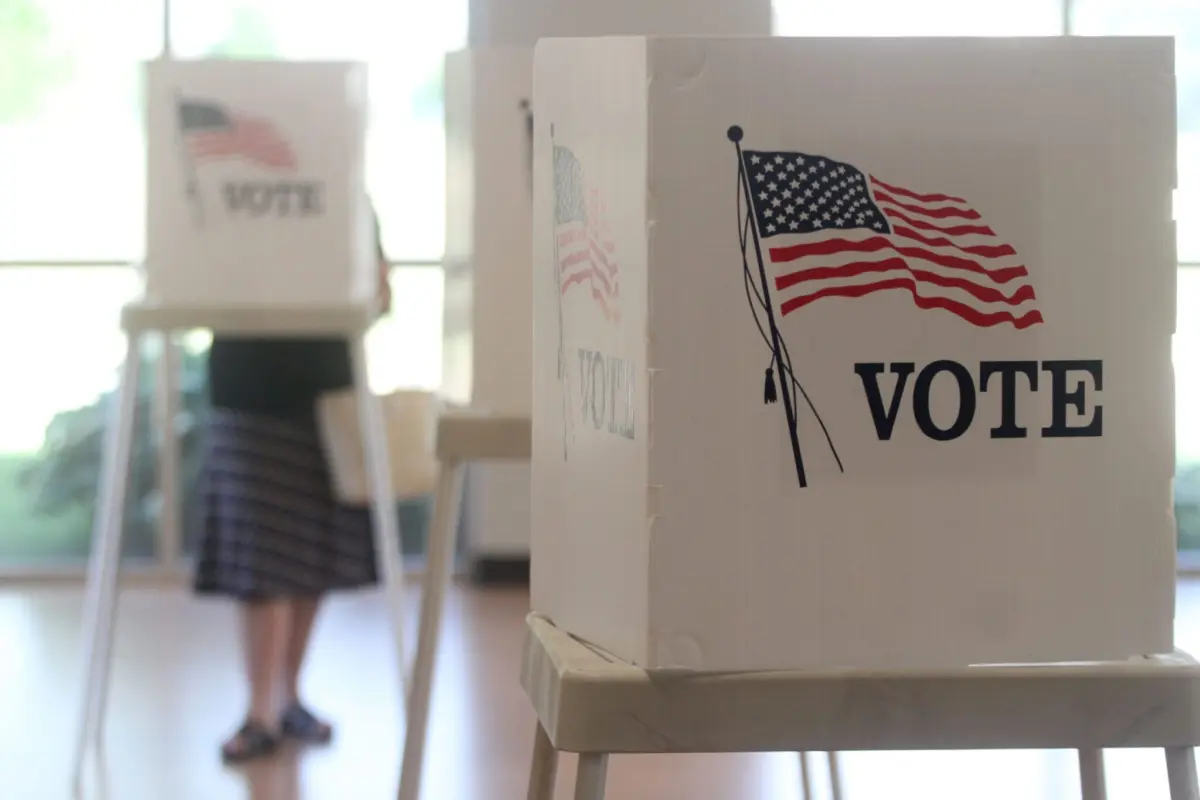
On a night that saw sweeping political shifts and a drubbing for Republicans across various legislative contests, voters across the United States mostly rejected radical tax overhauls, choosing instead to lock in recent reforms and deliver a clear message that the ongoing affordability crisis is deeply tied to the tax code. In both red and blue states, electorates demonstrated a distinct wariness toward novel and untested changes to state tax structures, though a couple of high-profile exceptions managed to break through the cautious mood.
The mixed bag of results from the 2026 state ballot measures highlights a complex voter psychology. While citizens are clearly feeling the pinch of economic pressures and high inflation, they remain skeptical of structural experiments that promise relief but carry long-term risks for local government funding and fiscal stability. From the property tax battles in the South and West to the high-stakes income and wealth tax showdowns on the coasts, the midterms revealed a public deeply unsatisfied with the status quo yet hesitant to embrace sweeping, far-reaching tax experiments from either side of the political aisle.
Florida Property Tax Amendment Passes Amid Local Government Concerns
The clearest exception to the night’s general caution on property taxes unfolded in Florida, where voters overwhelmingly ratified Amendment 3. The measure introduces a substantial $250,000 homestead exemption specifically targeted at non-school property taxes. The passage of this amendment vividly illustrates the profound discontent felt by Floridians regarding soaring property tax burdens in a state experiencing rapid real estate appreciation and population growth.
However, fiscal analysts point out that the policy leaves local municipalities and county governments in a difficult financial lurch. By carving out such a massive exemption, the amendment incentivizes local governments to raise tax rates on the remaining properties still captured within the tax base, or alternatively, to scramble for alternative revenue streams from less economically efficient forms of taxation.
This latest voter intervention may be a direct byproduct of previous efforts to ease property burdens, most notably the historic Save Our Homes Amendment. That earlier policy inadvertently created high effective tax rates for newer homeowners who bought in after market peaks, ultimately driving voters to demand yet another temporary patch. Experts warn that while Amendment 3 offers immediate relief to certain homeowners, it is likely to generate structural complications and funding disparities down the road.
Colorado Considers Shift to Graduated Income Tax Structure
Out West, Colorado voters appeared to narrowly approve a consequential constitutional amendment that would fundamentally reshape the state’s income tax system. The measure replaces Colorado’s longstanding single-rate, 4.4 percent flat income tax with a graduated-rate structure featuring a top marginal rate of 8.4 percent. Because the state’s constitution has historically required a strict flat tax, the ballot question—designated as Amendment 87—was designed to amend the foundational document to permit a progressive bracket system while simultaneously establishing new tax brackets via an initiated statute.
As returns continued to be processed, the race remained exceptionally tight, underscoring the deep divisions among Coloradans regarding fiscal policy. Proponents argued that a graduated structure ensures wealthier residents pay a fairer share to fund public services and education, while opponents warned that higher marginal rates could erode the state’s economic competitiveness and discourage business investment. Regardless of the final certified outcome, the razor-thin margin reflects a state deeply split on how to fund its future.
A Measured Approach to Property Taxes Outside Florida
Outside of the Sunshine State, voters exhibited far greater caution regarding proposals that threatened to disrupt or eviscerate local property tax revenues. Rather than dismantling traditional property tax systems through blunt instruments, electorates in several states opted for more disciplined, structural safeguards.
In North Carolina, voters approved a pragmatic and responsible approach to property tax relief by mandating that the state legislature implement strict levy and revenue caps. This policy limits the annual aggregate growth of property tax collections derived from all existing properties, providing predictable relief without destabilizing local budgets.
Meanwhile, voters in Oklahoma firmly rejected a ballot measure that would have tightened existing assessment limits. Economists have long criticized such assessment limits for distorting local real estate markets, discouraging turnover, and creating highly non-neutral tax burdens that unfairly shift costs from long-term owners to new buyers. In a similar vein, Wyoming voters decisively rejected a proposal that would have instituted an irresponsibly large exemption for residential property values, signaling that the electorate recognized the potential for severe fiscal fallout.
New Limits on Legislative Tax Authority in Iowa and North Carolina
Voters in Iowa and North Carolina took direct aim at the power of elected officials, approving constitutional and statutory limits designed to make future tax hikes significantly more difficult to enact.
Iowans endorsed a constitutional amendment requiring a strict two-thirds supermajority vote in the state legislature before lawmakers can approve any future increases to the income tax. Proponents framed the supermajority rule as an essential taxpayer protection that forces political consensus and fiscal restraint in the statehouse.
In North Carolina, voters went a step further by enshrining a hard cap on the state income tax rate, setting the ceiling at 3.5 percent. This limit sits just a fraction above the state’s planned 3.49 percent income tax rate slated for 2027, effectively locking in recent conservative tax cuts and preventing future legislatures from rolling them back easily.
At the same time, voter enthusiasm for tying their own hands was not universal. Electorates in Utah and California rejected measures that would have placed procedural hurdles in front of future voter-led ballot questions, preserving the direct democracy mechanism that allows citizens to initiate tax policy changes at the ballot box.
California Rejects First-in-the-Nation Wealth Tax in High-Stakes Showdown
Undoubtedly the night’s premier attraction for fiscal policy watchers was California, where voters appear to have decisively rejected a high-profile wealth tax proposal. The failure of the measure—which would have established a first-in-the-nation levy on the net worth of the state’s ultra-wealthy residents—carries massive economic and political ramifications that will reverberate far beyond the borders of the Golden State.
The defeat of the California wealth tax is expected to significantly dampen momentum and enthusiasm for similar progressive tax proposals currently being discussed or developed in states like Oregon, Minnesota, Hawaii, and Washington. The complexity of valuing non-liquid assets, combined with persistent warnings from business leaders and economists about capital flight and the migration of high-net-worth individuals to lower-tax jurisdictions, clearly resonated with a critical mass of California voters.
Nevertheless, the fight over wealth taxation is far from over. Supporters of the California measure wasted little time after the initial returns indicated defeat, publicly signaling their intention to regroup, refine their strategy, and mount another campaign on the ballot in 2028.
The vote also highlighted interesting political dynamics within the Democratic Party. While prominent state leaders like Governor Gavin Newsom opposed the California-specific wealth tax—pointing to potential state-level implementation hurdles—they have occasionally expressed openness to federal wealth taxation models. Following this defeat in one of the most reliably progressive states in the country, federal lawmakers in Washington are expected to take careful note of how easily such progressive economic policies can founder when exposed to a direct vote of the electorate.
The 2026 midterm elections demonstrated that while Americans remain deeply unsatisfied with the broader economic status quo, they harbor a profound skepticism toward sweeping, experimental tax changes pushed from either the political left or right. When viewed collectively, the outcomes of these tax-related ballot measures lack the singular, dramatic narrative found in congressional races. Yet that absence of a unified ideological trend may be the most telling takeaway of all: public sentiment regarding specific tax policies has remained remarkably stable and pragmatic, even when contrasted against a turbulent backdrop of partisan shifting across the nation.







No comments yet. Be the first to join the conversation!